
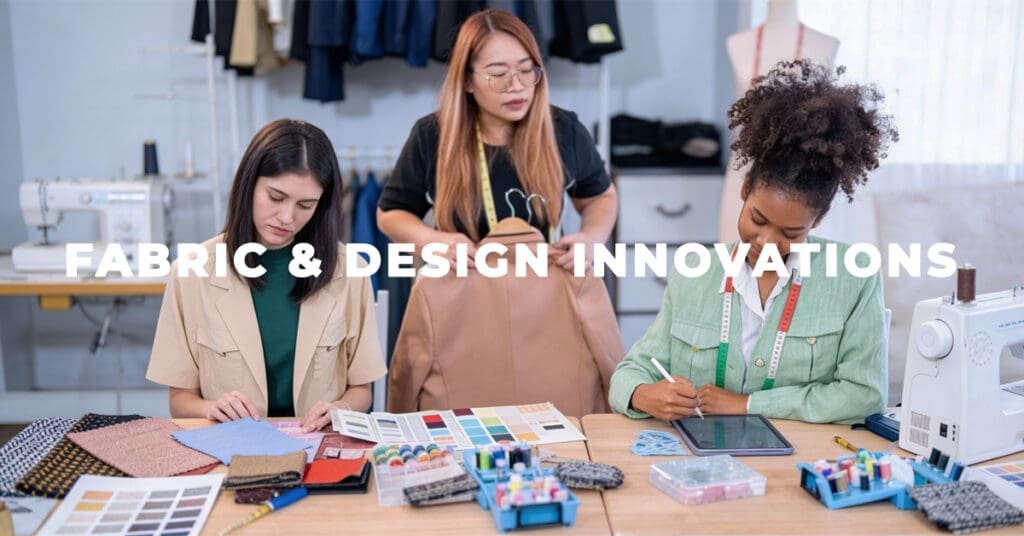
Introduction: The New Era of Fashion Engineering
Fashion in 2025 isn’t just designed — it’s engineered, thanks to the latest fabric & design innovations.
The boundaries between science and style have blurred, creating fabrics that can breathe, sense, and even self-heal.
At Fashion Audit, we explore how the world’s leading innovators are reshaping what we wear — merging sustainability, design, and technology into every thread.
Why Innovation in Fabric & Design Matters More Than Ever
The Need for Sustainable Alternatives
The global fashion industry contributes nearly 10% of carbon emissions.
Innovative fabrics like mycelium leather and recycled polyester help close the loop — turning waste into wear.
Technology’s Role in Textile Evolution
Smart weaving, nanotech finishes, and digital pattern design are making production smarter, cleaner, and faster.
Top Fabric Innovations in 2025
1. Bio-Based Fabrics
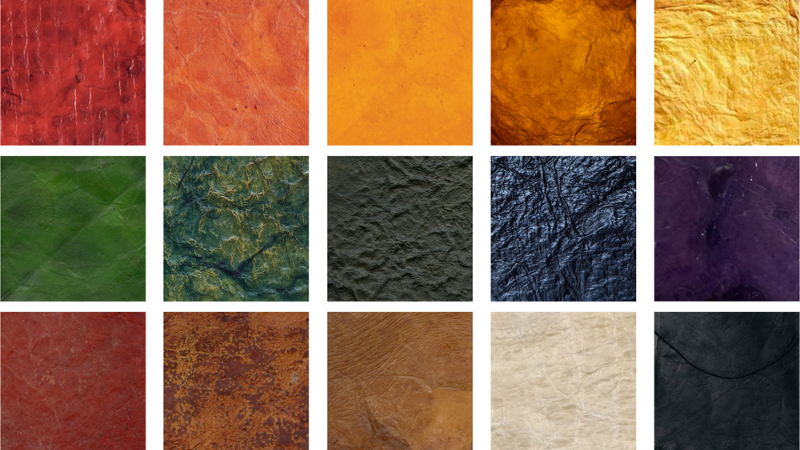
- Pineapple leather (Piñatex): Made from pineapple leaf fibers.
- Mycelium leather: Grown from mushroom roots.
- Orange fiber silk: Repurposing citrus peel into luxurious fabric.
Why it matters: 100% biodegradable, cruelty-free, and soft to touch.
2. Smart Fabrics
These react to heat, movement, or UV exposure.
- Example: Nike’s climate-responsive jackets that adapt to body temperature.
Why it matters: Ideal for performance wear and wearable tech.
3. Recycled & Circular Textiles
From plastic bottles to polyester — brands like Adidas and Patagonia are pioneers of the circular economy.
4. Lab-Grown Cotton & Silk
Produced without harming silkworms or exploiting farmland, lab-grown fabrics redefine luxury ethics.
5. Thermal Adaptive Fabrics
NASA-inspired materials now adjust to the human body’s microclimate.
Perfect for winter 2025 collections.
Emerging Design Innovations Transforming Fashion
1. 3D Knitting & Zero-Waste Design
Machines create garments in a single piece, eliminating fabric waste.
- Used by Adidas, Uniqlo, and Indian startup Weavesmart.
2. Digital Fashion & Virtual Prototyping
Designers now test and sell digital-only clothing in metaverse platforms before physical production.
3. AI-Assisted Design
AI predicts upcoming trends, suggests patterns, and generates full collections.
- Example: Stitch Fix and The Fabricant.
4. Modular Clothing Systems
Convertible jackets, detachable sleeves, reversible outfits — adaptability is the new luxury.

Indian Innovations in Fabric & Design
Handloom Meets Tech
Brands like B Label, The Loom, and FabIndia are experimenting with smart weaving sensors and biodegradable dyes.
Sustainable Indian Labels
- Doodlage: Upcycles factory waste into new garments.
- Nicobar: Focuses on sustainable luxury.
- The Summer House: Uses handspun organic cotton.
Design Meets Heritage
Designers like Rahul Mishra and Gaurav Gupta are blending couture artistry with experimental materials.
How Fashion Brands Are Adopting New Fabrics
- Adidas: Recycled ocean plastic into sneakers.
- Stella McCartney: Mushroom leather accessories.
- Pangaia: Seaweed fiber T-shirts.
- Doodlage: Fabric scrap regeneration.
Fashion Audit’s Insight: Big brands now treat innovation as identity — not an afterthought.
The Rise of Circular Design Thinking
Designing for Longevity
New collections are now built to last, repair, and recycle — a shift from “make-sell-dispose” to “create-extend-renew.”
Fabric Tracking
Blockchain lets consumers trace a garment’s full life — from fiber to finish.
Resale & Reuse
Platforms like Poshmark and Relove India are proving circular fashion is the future.

Material Science Meets Style: The Future of Innovation
Wearable Tech Fabrics
Garments that monitor posture, hydration, and health data.
UV-Protective & Anti-Bacterial Textiles
Perfect for tropical climates like India — combining comfort with wellness.
Performance Aesthetics
Function-driven fashion merges high-performance with design-led luxury.
Fashion Audit’s Innovation Framework: 5 Metrics That Define the Future
| Metric | Definition | Why It Matters |
|---|---|---|
| Sustainability | Environmental footprint | Future compliance & ethics |
| Scalability | Mass adoption potential | Accessibility for brands |
| Sensory Feel | Texture & comfort | Consumer satisfaction |
| Functionality | Smart or adaptive use | Tech integration |
| Storytelling | Purpose-driven narrative | Brand value building |
FAQs: Fabric & Design Innovations 2025
Q1: What are the biggest fabric innovations of 2025?
A: Bio-based fabrics like Piñatex, mycelium leather, and recycled polyester dominate.
Q2: How is AI changing fashion design?
A: AI predicts trends, automates sketches, and personalizes consumer experiences.
Q3: Which Indian brands are leading in sustainable innovation?
A: Doodlage, Nicobar, and The Summer House.
Q4: What is zero-waste fashion?
A: A design process that eliminates leftover fabric by 3D knitting or modular cutting.
Q5: What is the next big innovation for 2026?
A: Fully biodegradable smart textiles and AI-generated couture.
Conclusion: The Future Is Woven with Purpose (By Fashion Audit)
The fabric of the future isn’t just about what we wear — it’s about how we think.
In 2025, innovation equals intention. From bio-based materials to AI-driven creativity, the fashion industry is finally weaving sustainability into its DNA.
At Fashion Audit, we celebrate every stitch of progress — because fashion’s next revolution isn’t seasonal… it’s scientific.

Disclaimer:
All trademarks, logos, product names, and brand identifiers mentioned on FashionAudit.com are the property of their respective owners. They are used solely for the purpose of product review, comparison, and consumer information. FashionAudit.com does not claim any ownership of these marks.
No copyright or trademark infringement is intended. If any brand or rights holder believes their intellectual property has been misused, they can contact us directly and we will address the issue promptly.