
Introduction: Why Fabric-Based Shoe Uppers Matter
Modern footwear design places comfort at the center. However, many shoe uppers still feel stiff or restrictive after long hours of wear. Fabric and textile uppers solve this issue by offering flexibility, airflow, and lightweight performance.
Moreover, these materials adapt naturally to foot movement and temperature changes. As a result, understanding textile-based uppers helps you choose shoes that feel comfortable all day—especially when assessing breathability and usability during a thoughtful fashion audit.
What Are Fabric and Textile Shoe Uppers?
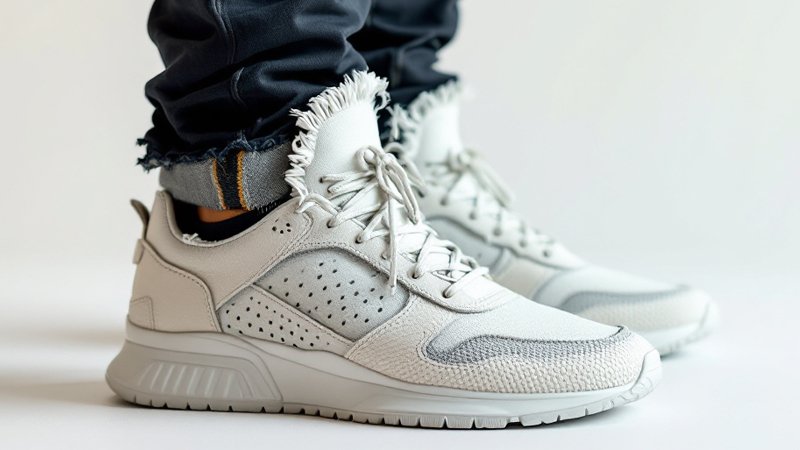
Fabric and textile shoe uppers use woven, knitted, or engineered fabrics instead of leather or molded synthetics. These materials focus on airflow, flexibility, and reduced weight.
Common fabric-based upper types include:
- Woven textile uppers
- Knit and engineered knit designs
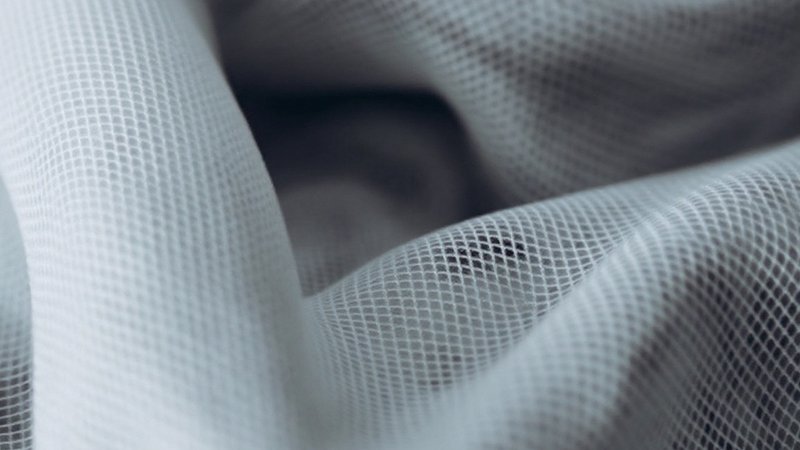
- Mesh fabric uppers
- Canvas and cotton uppers
Because of their construction, textile uppers move naturally with the foot.
How Textile Shoe Uppers Are Manufactured
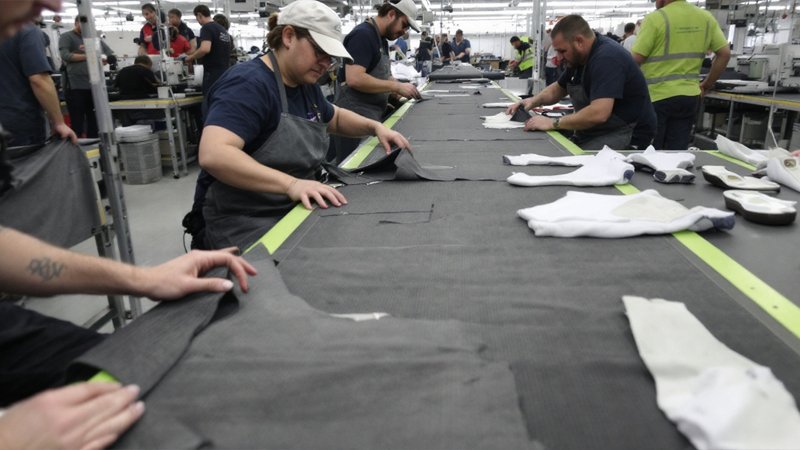
Manufacturers produce fabric uppers through:
- Weaving or knitting yarns
- Engineering mesh or knit patterns
- Cutting or seamless shaping
- Stitching or bonding to the shoe structure
As a result, shoes remain lightweight without sacrificing comfort.
Key Advantages of Fabric-Based Uppers
Enhanced Breathability
Open fabric structures allow constant airflow. Therefore, feet stay cooler during extended wear.
Lightweight Construction
Textile materials reduce shoe weight and fatigue.
Natural Flexibility
Fabric uppers bend smoothly with movement.
Design Freedom
Manufacturers create diverse colors, patterns, and textures.
Textile Uppers vs Leather Uppers
| Feature | Textile-Based Uppers | Leather Uppers |
|---|---|---|
| Breathability | High | Moderate |
| Weight | Lightweight | Heavier |
| Flexibility | High | Moderate |
| Maintenance | Easy | Moderate |
| Durability | Moderate | High |
| Best use | Casual & active | Formal & daily |
As a result, textile uppers suit active and casual footwear better.
Where Fabric and Textile Uppers Are Commonly Used
These uppers appear in:
- Running and training shoes
- Casual sneakers
- Walking and travel footwear
- Athleisure styles
- Summer footwear
Therefore, fabric uppers perform best in warm climates and active routines.
How Textile Uppers Perform Over Time
Textile uppers soften naturally with use. Instead of cracking, the fabric adapts gradually.
Over time:
- Breathability remains effective
- Shape retention depends on weave quality
- High-friction areas may show wear
As a result, reinforced designs last longer.
How to Care for Fabric and Textile Shoes
Proper care maintains freshness. For example:
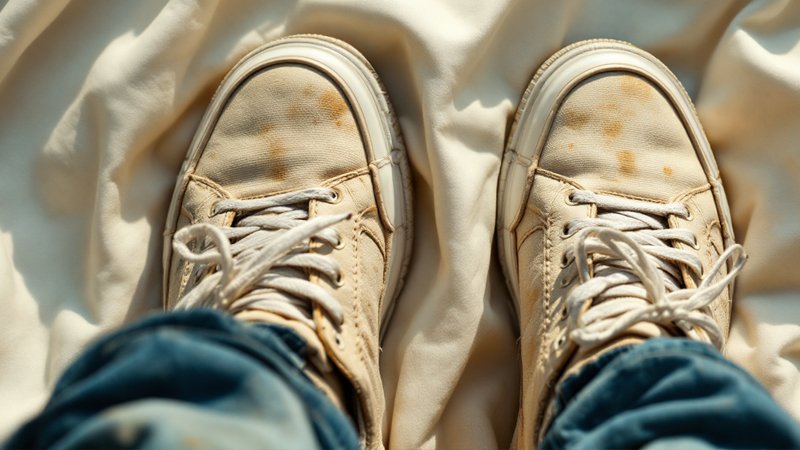
- Brush off dirt regularly
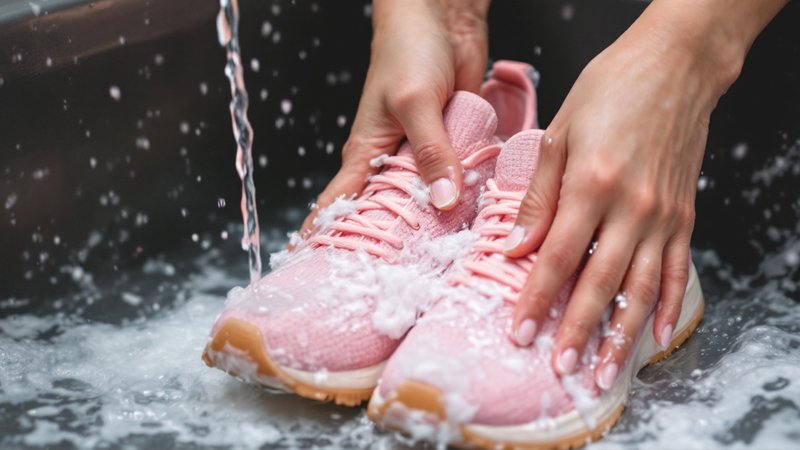
- Hand wash or use gentle machine cycles
- Use cold water
- Air dry naturally
Are Textile Uppers Durable Enough for Daily Wear?
Yes, for everyday use. However, they resist abrasion less than leather or molded materials.
Best suited for:
- Daily walking
- Casual wear
- Sports and fitness
- Travel footwear
They are not ideal for rough terrain or heavy rain.
Sustainability Perspective
Many fabric uppers now use recycled polyester, organic cotton, and low-waste knitting techniques. Lightweight construction also reduces material consumption.
Because of this, shoes with textile uppers often perform well during a responsible fashion audit, especially when breathability and efficiency matter.
When Fabric-Based Uppers Are the Right Choice
Choose textile uppers if you want:
- Breathable comfort
- Lightweight shoes
- Flexible movement
- Easy care
As a result, fabric uppers fit modern, active lifestyles.
Common Mistakes to Avoid
However, many people:
- Wear fabric shoes in heavy rain
- Use heat to dry them
- Skip routine cleaning
- Expect leather-level durability
Avoiding these mistakes extends shoe life.
FAQs
Q1: Are fabric shoe uppers breathable?
Yes, they allow excellent airflow.
Q2: Can textile uppers be washed?
Yes, gentle washing works well.
Q3: Are fabric uppers good for summer?
Absolutely.
Q4: Do textile uppers stretch over time?
Slightly, depending on construction.
Q5: Are textile uppers durable?
Yes, for everyday and active use.
Conclusion: Lightweight Comfort Designed for Daily Movement
In conclusion, fabric and textile shoe uppers deliver breathability, flexibility, and lightweight comfort that modern footwear demands. While they do not replace leather in rugged conditions, they excel in casual and active environments.
Ultimately, whether you’re choosing sneakers or reviewing materials during a thoughtful fashion audit, textile-based uppers offer a practical, comfortable, and versatile solution.