
Introduction: Why Faux Leather Footwear Is So Widely Chosen
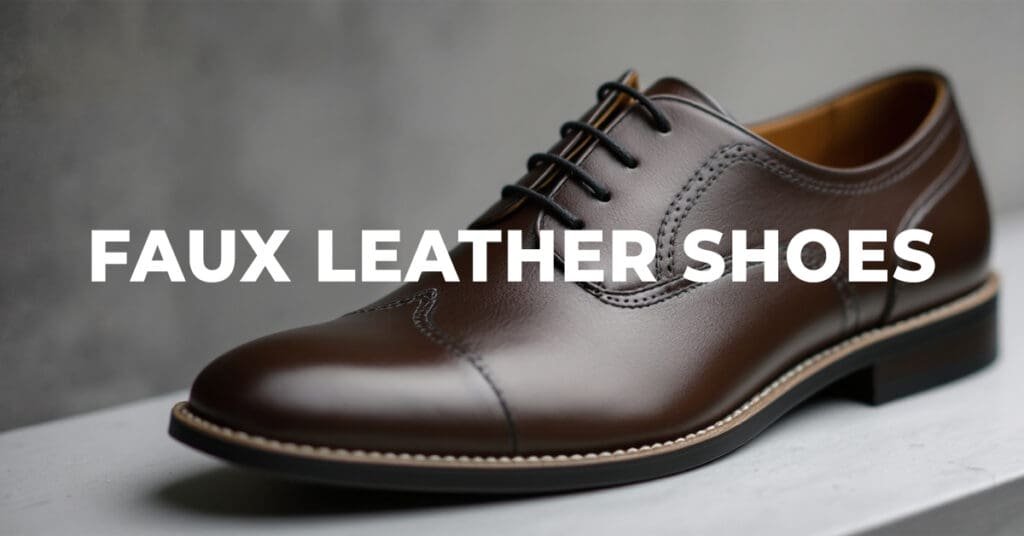
Footwear trends continue to evolve. However, affordability, ease of care, and ethical concerns now influence buying decisions more than ever. Faux leather shoes have become popular because they offer a polished, leather-like appearance without the higher cost or use of animal hides.
Moreover, modern manufacturing techniques have significantly improved the look and feel of imitation leather. As a result, understanding this material helps shoppers make informed decisions—especially when reviewing practical options during a seasonal fashion audit.
What Is Faux Leather?
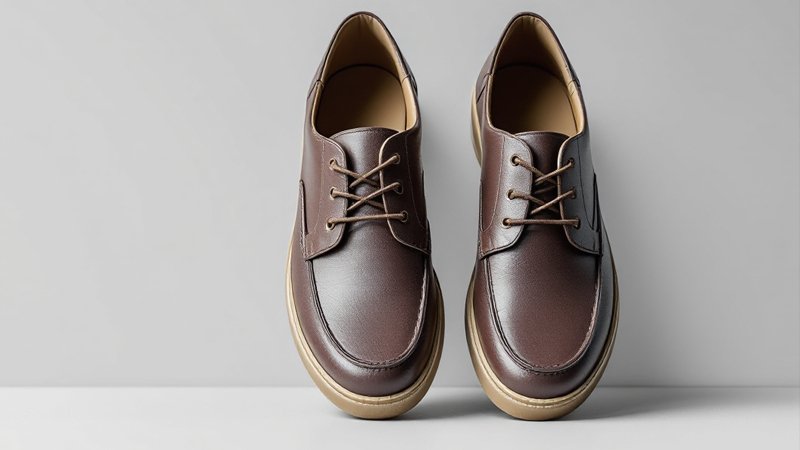
Faux leather is a man-made material designed to resemble genuine leather. Unlike natural leather, it is produced using synthetic compounds rather than animal hide.
Common materials include:
- Polyurethane (PU)
- Polyvinyl chloride (PVC)
- Fabric-backed synthetic coatings
Because the surface is engineered, the appearance remains smooth and uniform.
How Artificial Leather Is Manufactured
The process typically includes:
- Creating a textile or fabric base
- Applying a synthetic coating
- Embossing a leather-like grain
- Adding protective surface layers
As a result, artificial leather becomes flexible, visually appealing, and cost-effective.
Key Characteristics of Faux Leather Footwear
Consistent Appearance
The surface stays even, without natural scars or grain variation.
Lightweight Feel
Synthetic materials are usually lighter than natural leather.
Moisture Resistance
The coated surface resists light spills and splashes.
Low Maintenance
No conditioning or polishing is required.

Artificial Leather vs Natural Leather
| Feature | Artificial Leather | Natural Leather |
|---|---|---|
| Source | Synthetic materials | Animal hide |
| Appearance | Uniform | Natural variation |
| Breathability | Moderate | High |
| Maintenance | Easy | Moderate |
| Aging | Minimal | Develops patina |
| Cost | Budget-friendly | Higher |
As a result, the choice depends on budget, lifestyle, and expectations.
Where Faux Leather Is Commonly Used
This material is widely found in:
- Casual everyday shoes
- Office and school footwear
- Fashion sneakers
- Entry-level formal styles
Therefore, it suits both practical and trend-driven footwear categories.
How Imitation Leather Performs Over Time
Artificial leather does not age like natural hide. Instead of softening and developing character, it generally maintains its original appearance.
Over time:
- Creases may form
- Lower-quality coatings may peel
- Shape usually remains intact
As a result, durability depends largely on material quality and care.
How to Care for Faux Leather Shoes
Maintenance is simple and convenient. For example:
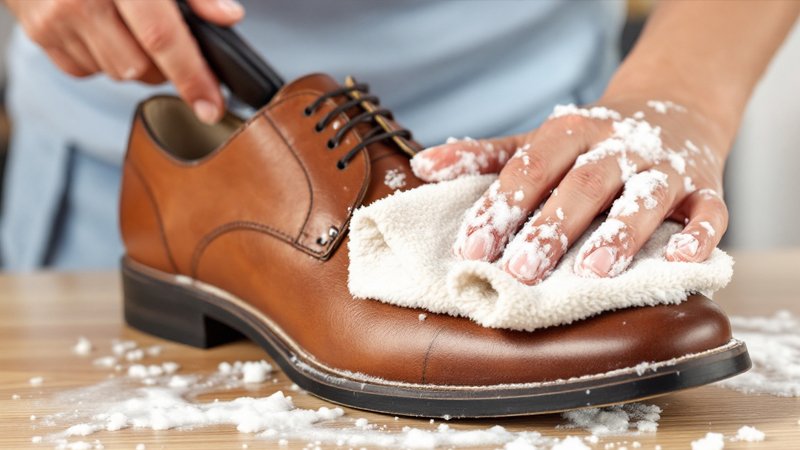
- Wipe clean with a damp cloth
- Avoid alcohol-based cleaners
- Keep away from extreme heat
- Store in a cool, dry place
Are Faux Leather Shoes Durable Enough for Daily Wear?
Yes, for light to moderate use. Well-made imitation leather footwear performs well for office wear and casual outings.
Best suited for:
- Daily commuting
- Indoor environments
- Short to moderate walking
However, it is not ideal for rugged outdoor conditions.
Sustainability Considerations
Artificial leather avoids animal products, making it appealing to ethical buyers. That said, many versions are plastic-based. Newer materials using recycled or water-based coatings are improving sustainability.
Because of this balance, such footwear is often reviewed carefully during a responsible fashion audit, weighing ethics against longevity.
When Faux Leather Footwear Is the Right Choice
Choose this option if you want:
- Budget-friendly pricing
- Consistent, polished appearance
- Easy maintenance
- Animal-free materials
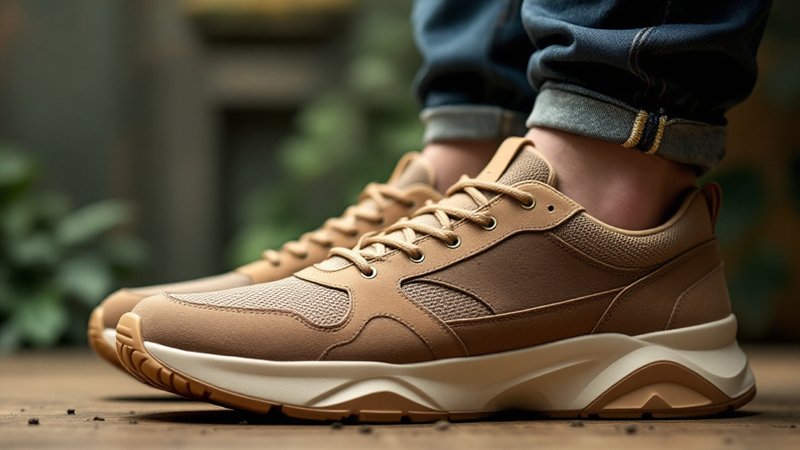
As a result, imitation leather fits well into modern, practical wardrobes.
Common Mistakes to Avoid
However, many buyers:
- Expect natural leather aging
- Use harsh cleaning chemicals
- Expose shoes to extreme heat
- Assume all artificial leather is the same quality
Avoiding these mistakes improves lifespan and satisfaction.
FAQs
Q1: Is faux leather waterproof?
It is water-resistant, not fully waterproof.
Q2: How long does artificial leather last?
High-quality versions can last several years.
Q3: Is breathability good?
Moderate, but less than natural leather.
Q4: Is faux leather eco-friendly?
Some versions are more sustainable than others.
Q5: Is it suitable for daily use?
Yes, for light to moderate daily wear.
Conclusion: Practical Style Without the Premium Price
In conclusion, faux leather shoes offer an accessible blend of style, convenience, and affordability. While they differ from natural leather in aging and breathability, modern materials deliver consistent performance for everyday needs.
Ultimately, whether you’re choosing cost-effective footwear or reviewing material options during a thoughtful fashion audit, imitation leather remains a practical and versatile choice.