
Introduction: Why Felt Shoes Still Matter Today
Modern footwear often relies on high-tech synthetics. However, felt shoes material continues to earn its place because it delivers natural warmth, softness, and insulation. Designers and wearers value felt for its comfort-focused performance, especially in colder environments.
Moreover, people often choose felt footwear for indoor wear and winter use. As a result, understanding this material helps you select shoes that prioritize warmth and comfort—particularly when conducting a thoughtful fashion audit for seasonal needs.
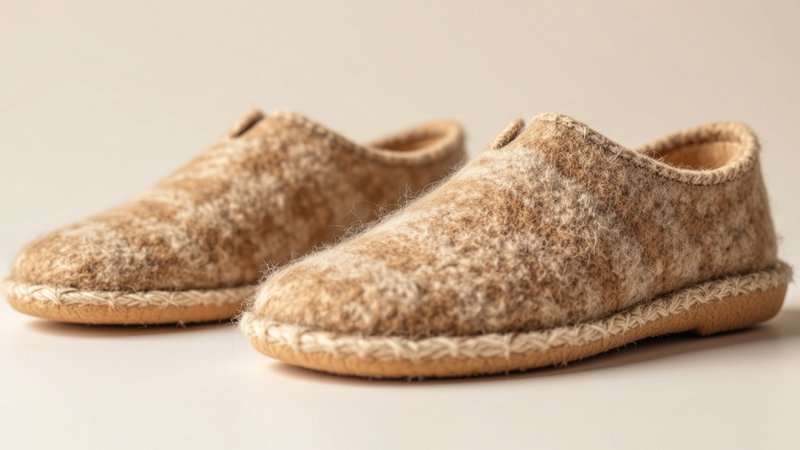
What Is Felt Shoes Material?
Felt shoes material comes from compressed and matted fibers, not woven or knitted fabric. Manufacturers traditionally use wool, although synthetic felt also exists.
Common types include:
- Wool felt
- Blended felt (wool + synthetic fibers)
- Fully synthetic felt
Because the fibers lock tightly together, felt provides excellent insulation and structure.
How Manufacturers Make Felt Footwear
Producers create felt through a controlled process that includes:
- Cleaning and preparing fibers
- Applying heat, moisture, and pressure
- Matting fibers into dense sheets
- Cutting and shaping the material into shoe uppers
As a result, felt becomes thick, soft, and highly insulating.
Key Benefits of Felt Shoes Material
Keeps Feet Warm
Felt traps air inside its dense fiber structure. Therefore, it helps retain body heat effectively.
Feels Soft and Comfortable
The compact yet gentle texture provides comfort during extended wear.
Allows Natural Breathability
Wool felt releases moisture vapor while maintaining warmth.
Offers Lightweight Insulation
Despite its thickness, felt remains relatively light on the foot.
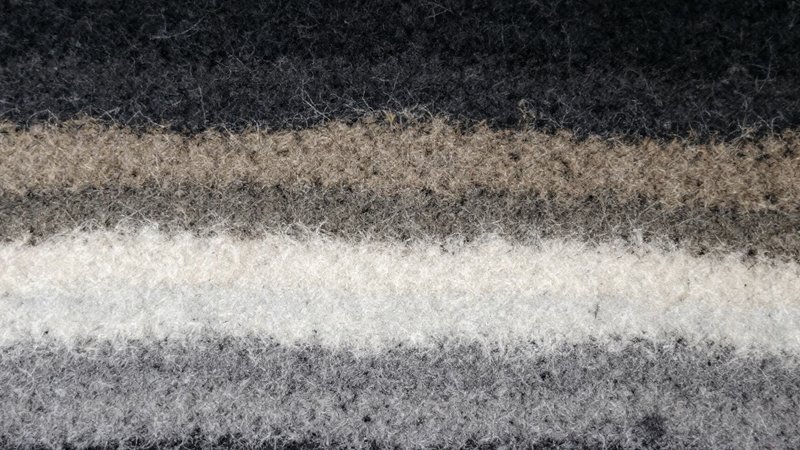
Felt Shoes vs Fabric Shoes
| Feature | Felt Material | Fabric Material |
|---|---|---|
| Warmth | High | Low to moderate |
| Insulation | Excellent | Limited |
| Texture | Soft and dense | Light and flexible |
| Best season | Cold weather | Warm weather |
| Primary use | Comfort-focused | Everyday casual |
As a result, felt works best in colder conditions.
Where People Commonly Wear Felt Shoes
People often choose felt material for:
- Indoor slippers
- Winter boots
- Traditional cold-weather footwear
- Lounge and home shoes
- Dry winter casual wear
Therefore, felt footwear focuses more on comfort than rugged outdoor use.
How Felt Shoes Perform Over Time
Felt changes gradually with wear. Instead of fraying, the material compresses slightly and softens.
Over time:
- The shape relaxes gently
- Insulation remains effective
- Light pilling may appear on the surface
As a result, felt shoes continue to perform well even as they age.
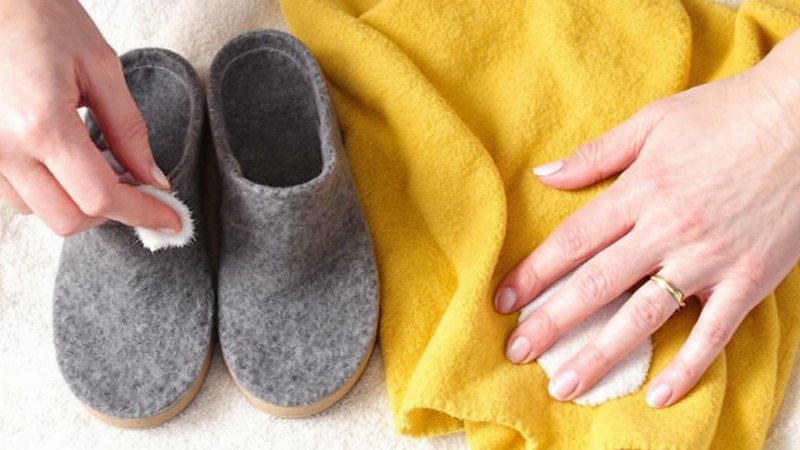
How to Care for Felt Shoes
Proper care helps felt last longer. For example:
- Spot clean using a damp cloth
- Apply mild soap only when needed
- Avoid soaking the material
- Let shoes air dry naturally
Are Felt Shoes Durable Enough for Regular Use?
Felt performs well when people use it correctly. However, it does not handle heavy moisture or rough surfaces well.
Best suited for:
- Indoor wear
- Dry winter conditions
- Light outdoor walking
- Comfort-driven use
It does not suit rainy weather or abrasive terrain.
Sustainability Perspective
Wool felt comes from renewable and biodegradable sources. Many felt shoes also last for years, which reduces frequent replacement.
Because of this, felt footwear often scores well during a responsible fashion audit, especially when natural materials and longevity matter.
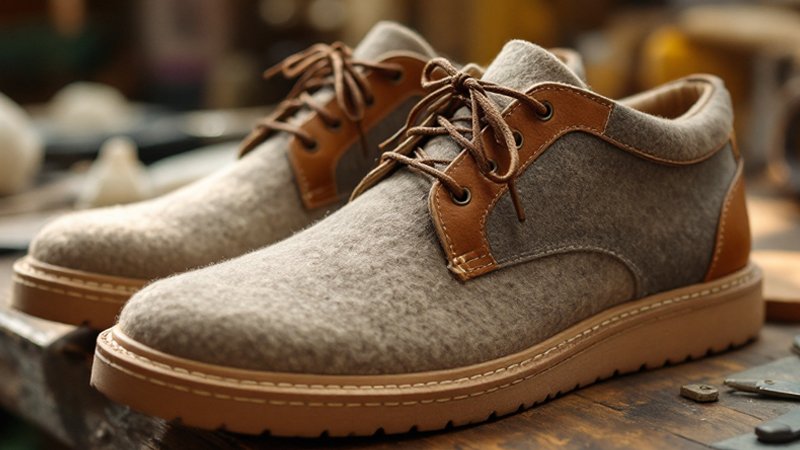
When Felt Shoes Material Is the Right Choice
Choose felt footwear if you want:
- Reliable warmth and insulation
- Soft, cozy comfort
- Natural materials
- Lightweight winter shoes
As a result, felt works perfectly for cold and indoor environments.
Common Mistakes to Avoid
However, many people:
- Wear felt shoes in wet conditions
- Wash them in machines
- Use strong detergents
- Expect waterproof protection
Avoiding these mistakes preserves comfort and structure.
FAQs
Q1: Does felt shoes material keep feet warm?
Yes, felt provides excellent insulation.
Q2: Can felt shoes breathe?
Yes, especially when made from wool.
Q3: Can I wash felt shoes?
Spot cleaning works best.
Q4: Are felt shoes durable?
Yes, for indoor and light outdoor use.
Q5: Are felt shoes eco-friendly?
Wool felt offers biodegradable and renewable benefits.
Conclusion: Timeless Warmth with Natural Comfort
In conclusion, felt shoes material delivers warmth, softness, and insulation that few materials can match. While it does not suit wet conditions, it excels in comfort-focused and cold-weather use.
Ultimately, whether you’re selecting winter footwear or reviewing cozy materials during a thoughtful fashion audit, felt shoes remain a dependable and timeless choice.