

Introduction: Comfort Meets Technology
Every step you take is powered by unseen engineering — the foam midsole. This vital shoe component, enhanced by various foam midsole technologies, determines comfort, cushioning, and performance.
In 2025, footwear design revolves around foam midsole technologies, blending lightweight materials with energy-returning properties. From casual sneakers to professional athletic shoes, innovation in midsole materials defines how we walk, run, and move.
As Fashion Audit notes, “The modern midsole isn’t just soft padding — it’s a science of performance.”

1. What Are Foam Midsole Technologies?
The midsole is the layer between the outsole (bottom) and insole (top). It provides shock absorption, stability, and energy return.
Foam midsole technologies refer to specialized foam compounds engineered to maximize comfort while reducing weight.
Fashion Audit Insight: Advances in foam science have revolutionized footwear, transforming shoes into performance gear designed for movement efficiency.
2. Why Foam Matters in Footwear
- Cushioning: Absorbs shock and reduces joint strain.
- Energy Return: Boosts motion efficiency.
- Stability: Maintains balance and posture.
- Lightweight Feel: Keeps shoes comfortable during extended wear.
- Durability: Protects against compression and fatigue.

3. Key Materials Used in Foam Midsole Technologies
Let’s explore the most common and advanced types of foam materials powering footwear comfort today.
3.1 EVA (Ethylene Vinyl Acetate)
EVA is one of the earliest and most widely used foams in midsoles. It’s known for its lightweight and shock-absorbing properties.
Features:
- Excellent flexibility and cushioning.
- Affordable and easy to mold.
- May compress over time with heavy use.
Used In: Running shoes, sneakers, sandals, and everyday footwear.
Fashion Audit Note: EVA remains a timeless favorite — simple, effective, and adaptable for most shoe types.
3.2 PU (Polyurethane) Foam
PU foam is denser and more resilient than EVA. It provides long-term cushioning and durability.
Features:
- Superior shock absorption and energy return.
- Retains shape under stress.
- Slightly heavier than EVA.
Used In: Performance and work shoes requiring consistent cushioning.
Fashion Audit Observation: PU midsoles are ideal for those prioritizing long-term comfort over minimal weight.
3.3 TPU (Thermoplastic Polyurethane) Foam
A next-generation foam offering high rebound and flexibility. TPU midsoles became popular in premium sneakers and running shoes.
Features:
- Excellent energy return (bouncy feel).
- Extreme durability and shape retention.
- Resistant to heat, abrasion, and wear.
Used In: Sports, running, and high-performance footwear (e.g., Adidas Boost).
Fashion Audit Tip: TPU midsoles mark the shift from soft cushioning to responsive performance.
3.4 PEBA (Polyether Block Amide) Foam
PEBA foam represents the future of elite footwear technology. It’s incredibly light, responsive, and used in top athletic shoes.
Features:
- High energy rebound.
- Lightweight and temperature-resistant.
- Expensive but performance-driven.
Used In: Professional running shoes and performance sneakers.
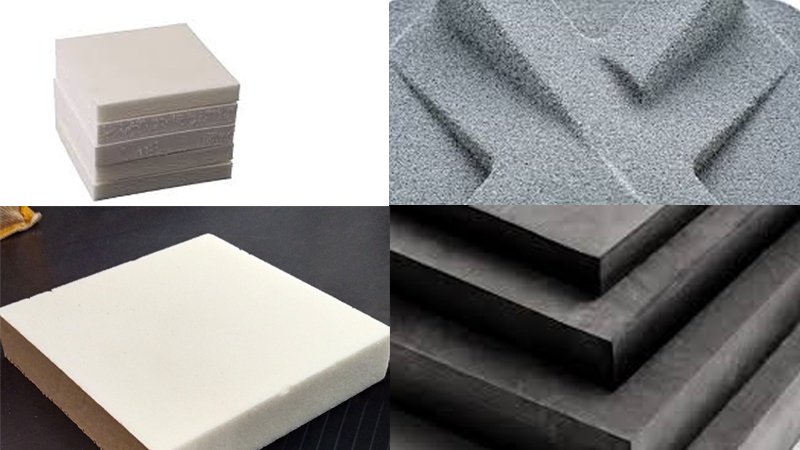
3.5 Phylon (Compressed EVA)
A variation of EVA foam, Phylon is created by compressing EVA pellets, heating them, and molding them into a dense, resilient midsole.
Features:
- Lightweight but firmer than regular EVA.
- Better shock absorption.
- Used in hybrid performance shoes.
Used In: Nike’s running and training shoe lines.
3.6 CMEVA (Compression Molded EVA)
A refined form of EVA used for more controlled cushioning.
Features:
- Greater consistency in density and bounce.
- Reduces uneven compression.
- Versatile for sports and walking footwear.
Fashion Audit Insight: CMEVA allows brands to balance softness and support — perfect for all-day comfort wear.
3.7 EVA + Rubber or TPU Blends
To enhance durability, many brands mix EVA with rubber or TPU compounds.
Benefits:
- Lightweight yet grippy feel.
- Extended lifespan compared to pure EVA.
- Ideal for sneakers that need comfort and traction.
3.8 Bio-Based and Recycled Foams
Sustainability has become a top priority in foam midsole technologies.
Eco Materials Include:
- Sugarcane-based EVA
- Algae-derived foam
- Recycled TPU blends
Advantages:
- Reduced carbon footprint.
- Same performance with lower environmental impact.
Fashion Audit Forecast: By 2026, most global shoe brands will integrate bio-foam midsoles as their sustainability standard.

4. How Foam Midsole Technologies Work
The science behind foam midsoles involves balancing softness and rebound:
- Compression: Foam absorbs impact when the foot hits the ground.
- Energy Storage: The material retains part of that energy.
- Rebound: It releases energy during toe-off, propelling the foot forward.
This process enhances running efficiency and reduces fatigue.
Fashion Audit Note: A good foam midsole doesn’t just cushion — it energizes every step.
5. Comparison: Foam Types and Their Properties
| Foam Type | Density | Energy Return | Durability | Weight | Best For |
|---|---|---|---|---|---|
| EVA | Low | Moderate | Moderate | Very Light | Everyday comfort |
| PU | Medium | High | Excellent | Medium | Work & lifestyle shoes |
| TPU | Medium-High | Excellent | Excellent | Medium | Running/performance |
| PEBA | Low | Exceptional | High | Ultra-light | Elite sports footwear |
| CMEVA | Medium | Moderate | High | Light | Casual & athletic shoes |
Fashion Audit Observation: TPU and PEBA are leading the race in performance innovation, while EVA and PU remain unbeatable for mass comfort.
6. Brand Innovations in Foam Midsole Technologies (2025)
| Brand | Technology | Key Material |
|---|---|---|
| Adidas | BOOST™ | TPU foam |
| Nike | React™ / ZoomX™ | PEBA & Phylon |
| Puma | Nitro Foam | Nitrogen-infused EVA |
| Skechers | Arch Fit™ | PU foam |
| New Balance | Fresh Foam X | CMEVA blend |
| Allbirds | SweetFoam™ | Sugarcane-based EVA |
Fashion Audit Insight: These innovations prove that foam midsoles are not just comfort tools — they’re brand-defining technologies.
7. Maintenance and Longevity Tips
- Avoid exposing foam soles to extreme heat.
- Clean gently using mild soap and a soft brush.
- Store in a cool, dry place to prevent oxidation.
- Rotate shoes regularly to avoid compression wear.
Pro Tip: Foam midsoles last longer when used on appropriate surfaces — not all are made for rough terrain.
8. The Future of Foam Midsole Technologies
The footwear industry is embracing smart foams that adapt to movement and pressure.
Upcoming innovations include:
- Adaptive Foam: Adjusts firmness dynamically.
- 3D-Printed Midsoles: Custom cushioning for each foot.
- Recyclable Foam Systems: Closed-loop manufacturing.
Fashion Audit Forecast: Expect hybrid midsoles — combining EVA’s lightness, TPU’s bounce, and PEBA’s performance — to dominate premium footwear lines.
FAQs About Foam Midsole Technologies
1. What is the best foam material for midsoles?
PEBA and TPU offer the best performance, while EVA is ideal for comfort.
2. How long do foam midsoles last?
Typically 2–3 years, depending on use and material density.
3. Are foam midsoles sustainable?
Yes, bio-based and recycled foams are becoming mainstream in 2025.
4. Can foam midsoles lose their cushioning?
Yes, softer foams like EVA compress faster under heavy use.
5. Does Fashion Audit recommend foam midsoles?
Fashion Audit highly recommends foam midsoles for their unmatched comfort-to-weight ratio in modern footwear.
Conclusion: Comfort Engineered to Perfection
Foam midsole technologies are the backbone of modern footwear innovation. Whether it’s EVA’s cloud-like softness or PEBA’s elite rebound, the right foam determines how comfortably and efficiently you move.
As Fashion Audit states:
“Your sole comfort isn’t just design — it’s a technology of movement.”
Disclaimer:
All trademarks, logos, product names, and brand identifiers mentioned on FashionAudit.com are the property of their respective owners. They are used solely for the purpose of product review, comparison, and consumer information. FashionAudit.com does not claim any ownership of these marks.
No copyright or trademark infringement is intended. If any brand or rights holder believes their intellectual property has been misused, they can contact us directly and we will address the issue promptly.