
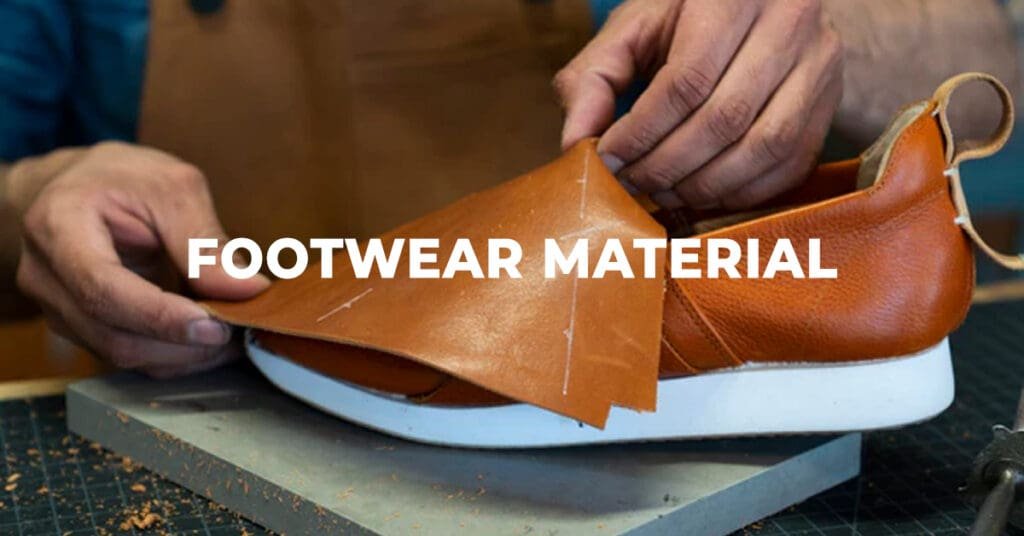
Introduction: Why Footwear Material Matters More Than You Think
When buying shoes, most people focus on design, brand, or price. However, the footwear material plays the most important role in determining comfort, durability, breathability, and overall performance.
In 2025, footwear materials have evolved beyond traditional leather and rubber. Modern shoes use advanced fabrics, eco-friendly alternatives, and high-tech blends designed to support daily movement and long-term foot health. Understanding footwear materials helps you make smarter, longer-lasting purchases.

What Is Footwear Material?
Footwear material refers to the substances used to make different parts of a shoe, including:
- Upper material
- Sole material
- Inner lining
- Insole and padding
Each material affects flexibility, weight, breathability, and durability. Choosing the right footwear material depends on purpose, climate, and lifestyle.
Types of Footwear Materials Used in Shoes
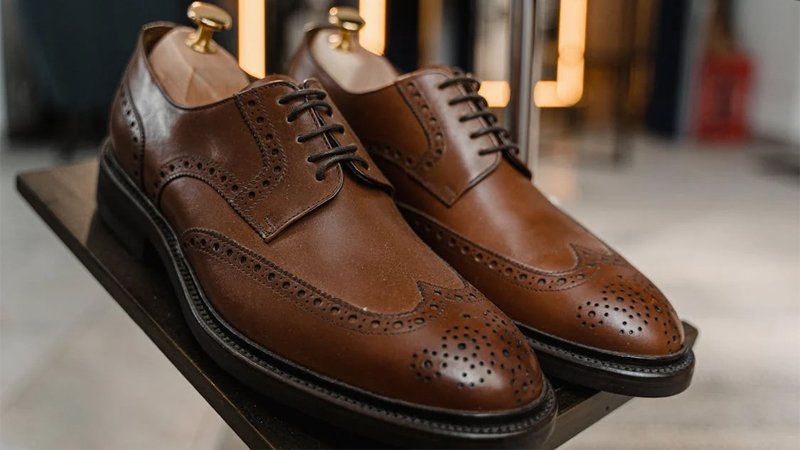
Leather Footwear Material
Leather is one of the oldest and most popular footwear materials.
Benefits:
- Durable and long-lasting
- Molds to foot shape over time
- Breathable and premium-looking
Common Uses:
Formal shoes, boots, loafers
Synthetic Footwear Material
Synthetic materials are man-made alternatives to leather.
Benefits:
- Affordable
- Water-resistant
- Easy to maintain
Common Uses:
Casual shoes, sports shoes, school footwear
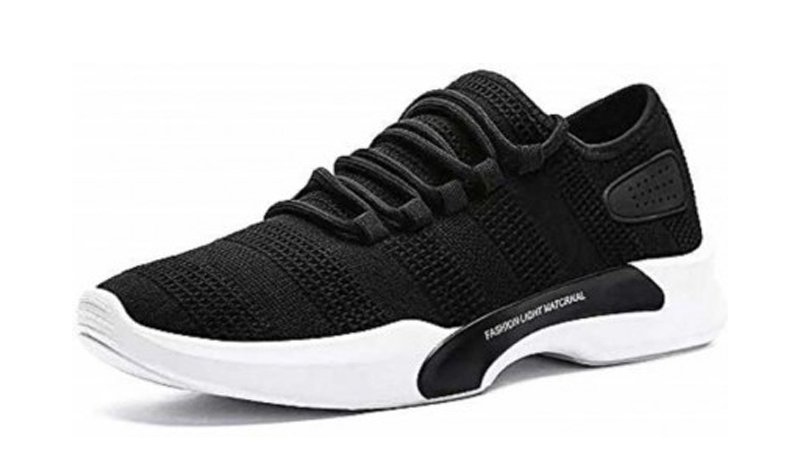
Mesh Footwear Material
Mesh is a lightweight, breathable footwear material widely used in sports shoes.
Benefits:
- Excellent airflow
- Lightweight
- Keeps feet cool
Common Uses:
Running shoes, walking shoes, gym footwear
Canvas Footwear Material
Canvas is a fabric-based footwear material made from cotton or linen.
Benefits:
- Lightweight
- Stylish and casual
- Affordable
Common Uses:
Sneakers, casual shoes, summer footwear
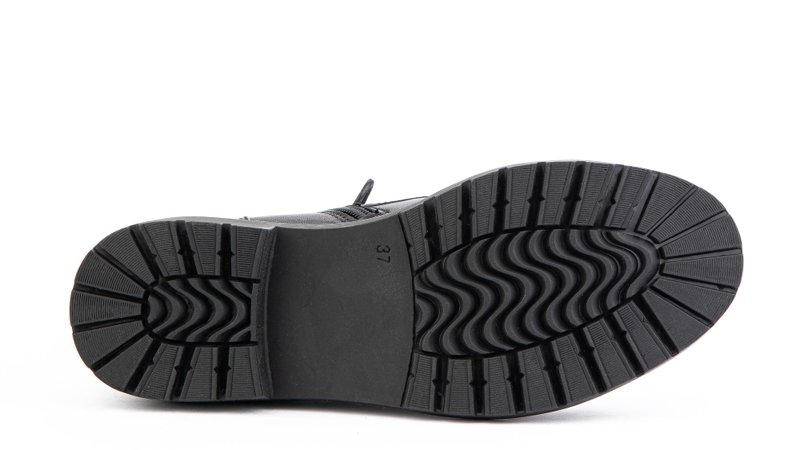
Rubber Footwear Material
Rubber is mainly used for soles and waterproof footwear.
Benefits:
- Slip-resistant
- Waterproof
- Durable
Common Uses:
Rain shoes, sandals, soles of sports shoes
Sustainable Footwear Materials (2025 Trend)
Sustainability is reshaping footwear manufacturing. Brands are now using eco-friendly footwear materials such as:
- Recycled plastic bottles
- Plant-based leather
- Cork and bamboo fibers
- Recycled rubber soles
These materials reduce environmental impact while maintaining performance and durability.
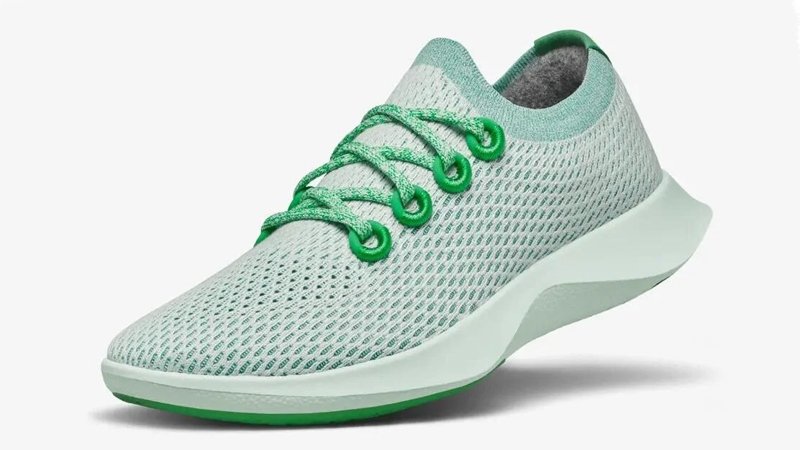
Footwear Material Based on Shoe Type
Sports Shoes
Mesh + synthetic + rubber soles
Formal Shoes
Genuine or synthetic leather
Casual Shoes
Canvas, synthetic leather, knit fabrics
Outdoor & Trekking Shoes
Leather + rubber + waterproof membranes
How to Choose the Right Footwear Material
Based on Climate
- Hot weather: Mesh or canvas
- Rainy weather: Synthetic or rubber
- Cold weather: Leather or insulated materials
Based on Usage
- Daily wear: Breathable and flexible materials
- Sports: Lightweight and cushioned materials
- Occasional wear: Style-focused materials
Based on Comfort
Always check softness, lining quality, and flexibility.
Common Mistakes When Choosing Footwear Material
- Choosing style over breathability
- Ignoring sole material
- Buying low-quality synthetic materials
- Not considering climate conditions
FAQs: Footwear Material
Q1: What is the best footwear material?
There is no single best material. The best footwear material depends on usage, climate, and comfort needs.
Q2: Is leather better than synthetic material?
Leather is more durable and breathable, while synthetic materials are affordable and water-resistant.
Q3: Which footwear material is best for sports shoes?
Mesh combined with synthetic materials and rubber soles works best.
Q4: Are sustainable footwear materials durable?
Yes, modern eco-materials are designed for long-term use.
Q5: How can I identify good-quality footwear material?
Check flexibility, stitching quality, breathability, and comfort.
Conclusion: Choose the Right Footwear Material for Long-Term Comfort
Understanding footwear material helps you invest in shoes that last longer, feel better, and suit your lifestyle. From leather and mesh to sustainable innovations, modern footwear materials are designed to meet diverse needs.
The right footwear material doesn’t just protect your feet — it supports comfort, confidence, and everyday performance.
Disclaimer:
All trademarks, logos, product names, and brand identifiers mentioned on FashionAudit.com are the property of their respective owners. They are used solely for the purpose of product review, comparison, and consumer information. FashionAudit.com does not claim any ownership of these marks.
No copyright or trademark infringement is intended. If any brand or rights holder believes their intellectual property has been misused, they can contact us directly and we will address the issue promptly.