
Introduction: Why Leather Quality Matters
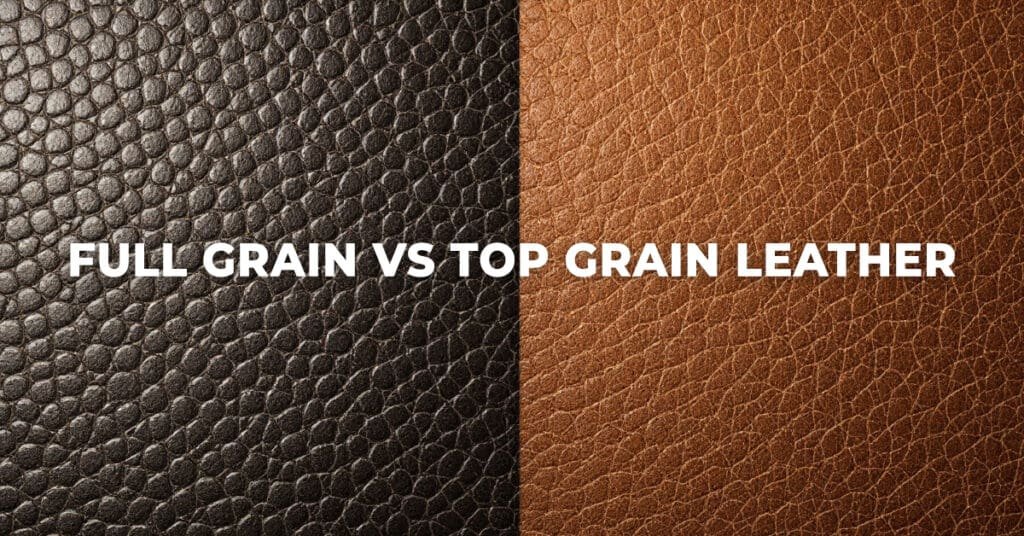
When buying premium shoes, bags, or belts, leather quality makes a major difference. Many shoppers assume all real leather is the same, but that is not true. Understanding the full grain vs top grain leather difference helps you choose a product that matches your expectations for durability, appearance, and long-term value.
Both types come from the outer layer of animal hide. However, manufacturers treat them differently during processing. Those treatments affect texture, strength, and aging behavior. During professional material inspections and detailed fashion audits, experts evaluate grain structure and surface treatment before grading leather quality.
Let’s break it down in simple terms.
What Is Full Grain Leather?
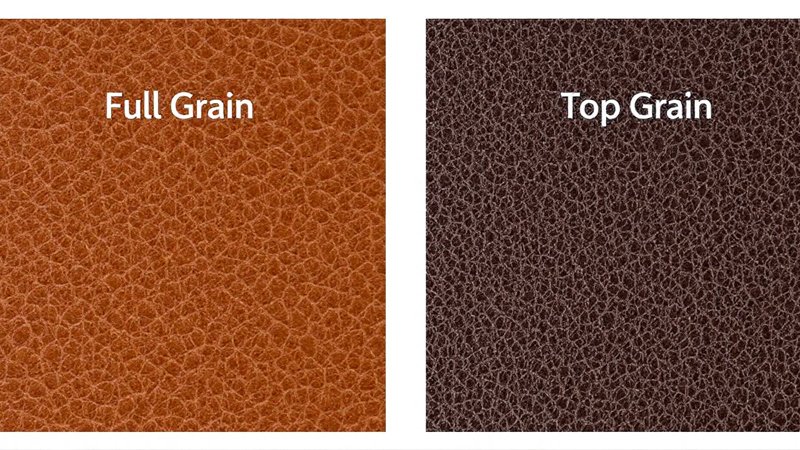
Full grain leather comes from the top layer of the hide and keeps the entire natural grain intact. Manufacturers do not sand or buff the surface.
Key Features of Full Grain Leather:
- Natural grain pattern
- Strongest and most durable leather type
- Develops a patina over time
- Thick and long-lasting
- Premium pricing
Because the surface remains untouched, full grain leather shows natural marks and variations. These imperfections actually prove authenticity.
What Is Top Grain Leather?
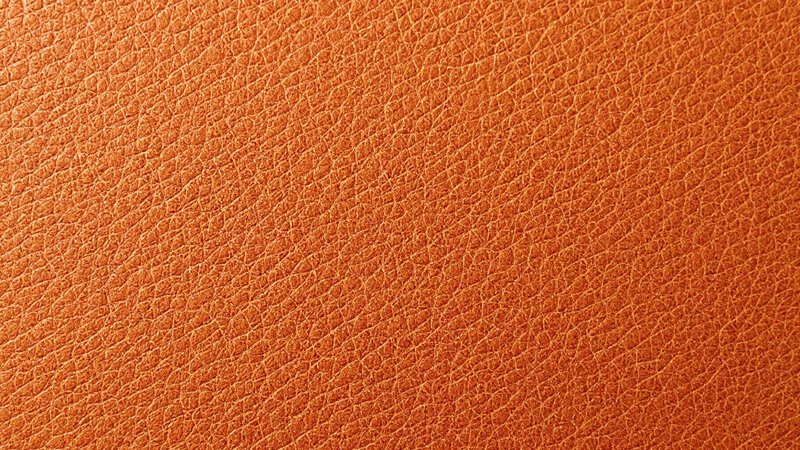
Top grain leather also comes from the outer layer of the hide. However, manufacturers sand and buff the surface to remove imperfections.
Key Features of Top Grain Leather:
- Smooth and uniform appearance
- Slightly thinner than full grain
- More flexible
- Resistant to stains
- Moderately premium pricing
The sanding process gives top grain leather a refined and consistent look.
Full Grain vs Top Grain Leather Difference Explained
Let’s compare both types clearly.
1️⃣ Surface Treatment
- Full grain: No sanding or correction
- Top grain: Sanded and finished
This treatment changes both appearance and durability.
2️⃣ Durability
Full grain leather is stronger because it retains natural fibers.
Top grain leather is durable but slightly less strong.
Winner for durability: Full grain
3️⃣ Appearance
Full grain shows natural marks and grain patterns.
Top grain looks smoother and more uniform.
Your preference depends on whether you like natural character or polished style.
4️⃣ Aging and Patina
Full grain develops a rich patina over time.
Top grain maintains a consistent appearance longer but develops less character.
5️⃣ Flexibility
Top grain leather is usually more flexible due to sanding.
Full grain feels thicker and sturdier.
6️⃣ Price
Full grain leather costs more because of its superior strength and minimal processing.
Top grain is slightly more affordable.
Quick Comparison Table
| Feature | Full Grain Leather | Top Grain Leather |
|---|---|---|
| Surface | Natural, untouched | Sanded and refined |
| Durability | Very high | High |
| Thickness | Thicker | Slightly thinner |
| Appearance | Natural marks visible | Smooth and uniform |
| Aging | Develops patina | Minimal patina |
| Price | Premium | Moderately premium |
Which Is Better for Shoes?
For long-term durability and rugged footwear, full grain leather performs better.
For formal shoes with a sleek finish, top grain leather offers a polished look.
Both work well when crafted properly.
Which Is Better for Bags and Accessories?
Luxury bags often use full grain leather for durability and character.
Fashion-focused products frequently use top grain for smooth aesthetics.
Your decision depends on style preference and budget.
Environmental Considerations
Both materials originate from animal hide. However, durability plays a role in sustainability. During sustainability-focused fashion audits, experts assess product lifespan and tanning methods before evaluating environmental impact.
Longer-lasting leather reduces replacement frequency.
Common Buying Mistakes
Many buyers:
- Confuse “genuine leather” with full grain
- Assume smoother surface means higher quality
- Ignore long-term aging characteristics
- Choose based only on price
Understanding leather grading prevents costly mistakes.
FAQs
1. Which leather lasts longer?
Full grain leather lasts longer.
2. Is top grain real leather?
Yes, it is genuine leather from the outer hide layer.
3. Which is more expensive?
Full grain leather usually costs more.
4. Does full grain leather scratch easily?
It can show marks, but those often add character.
5. Which leather is better for luxury products?
Full grain leather is considered the highest quality.
Conclusion: Make a Confident Leather Choice
Understanding the full grain vs top grain leather difference allows you to invest wisely. If you want maximum durability and natural character, full grain leather is the superior option. If you prefer a smoother and more refined look with slightly lower cost, top grain leather works well.
Choose based on usage, style preference, and long-term expectations. A smart material choice ensures both comfort and lasting value.