
Introduction: Why Gel Cushioning Matters in Footwear
Impact stress affects feet with every step. However, hard landings, long standing hours, and repetitive motion often cause discomfort. Gel cushioning material helps reduce this stress by absorbing shock and redistributing pressure.
Moreover, modern footwear focuses on comfort without sacrificing responsiveness. As a result, understanding gel-based cushioning helps you choose shoes that protect your feet—especially when reviewing comfort features during a thoughtful fashion audit.
What Is Gel Cushioning Material?
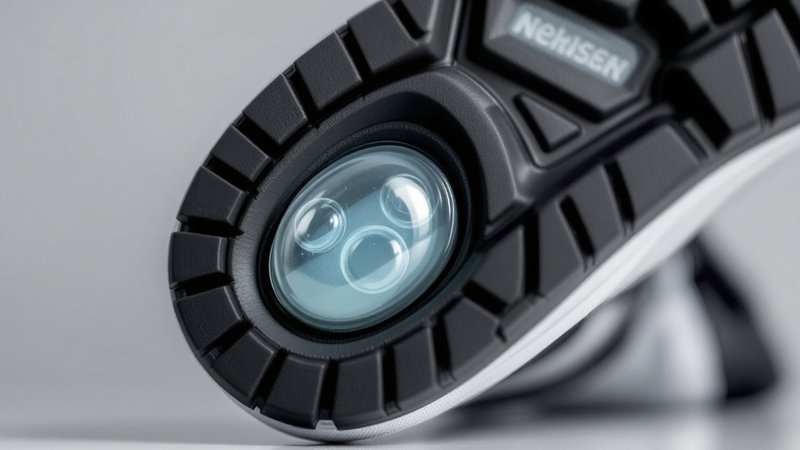
Gel cushioning material is a soft, elastic compound designed to absorb impact forces. When pressure is applied, the gel compresses and spreads energy across a wider area.
You’ll commonly find gel cushioning in:
- Insoles and footbeds
- Running and training shoes
- Walking footwear
- Work and standing shoes
- Heel pads and inserts
Because gel responds instantly to force, it reduces pressure points.
How Gel Cushioning Is Manufactured
Manufacturers produce gel cushioning through:
- Formulating silicone- or polymer-based gels
- Molding gel into pads or pods
- Sealing gel within protective casings
- Integrating gel into insoles or soles
- Testing impact absorption performance
As a result, gel components remain flexible and durable.
Key Benefits of Gel Cushioning Material
Excellent Shock Absorption
Gel disperses impact forces efficiently. Therefore, it protects joints and heels.
Pressure Relief
The material reduces concentrated stress on sensitive areas.
Immediate Response
Gel reacts instantly to movement and pressure.
Comfort for Long Hours
Feet feel less sore after extended standing or walking.
Gel Cushioning vs Foam Cushioning
| Feature | Gel Cushioning | Foam Cushioning |
|---|---|---|
| Shock absorption | Excellent | Good |
| Pressure distribution | High | Moderate |
| Response speed | Instant | Gradual |
| Stability | Moderate | Moderate |
| Durability | High | Moderate |
| Best use | Impact protection | Soft comfort |
As a result, gel excels in impact-heavy areas.
Where Gel Cushioning Material Is Commonly Used
Footwear brands often place gel cushioning in:
- Heel and forefoot zones
- Running and sports shoes
- Walking and comfort footwear
- Work shoes for long standing hours
- Orthopedic-friendly designs
Therefore, gel works best where impact is highest.
How Gel Cushioning Performs Over Time
Gel maintains elasticity well. Instead of flattening, it retains shape under repeated pressure.
Over time:
- Shock absorption remains effective
- Gel stays flexible
- Comfort remains consistent
As a result, gel outlasts many soft foams.
Care Tips for Shoes with Gel Cushioning
Simple care preserves performance. For example:
- Avoid puncturing gel areas
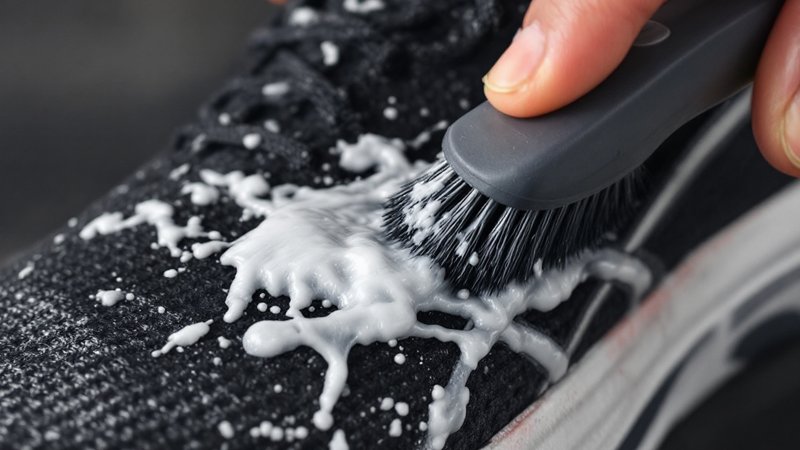
- Clean gently with mild soap
- Keep away from extreme heat
- Store shoes in dry conditions
Is Gel Cushioning Comfortable for Daily Wear?
Yes, especially for impact-prone areas. However, gel alone does not provide structural support.
Best suited for:
- Heel pain relief
- Long standing jobs
- Running and walking
- Work and daily comfort shoes
It works best when combined with foam or PU support layers.
Sustainability Perspective
Most gel materials are synthetic and non-biodegradable. However, their long lifespan reduces frequent replacement.
Because of this, footwear using gel cushioning may perform well during a durability-focused fashion audit, especially when comfort longevity matters.
When Gel Cushioning Material Is the Right Choice
Choose footwear with gel cushioning if you want:
- Strong shock absorption
- Pressure relief for heels and forefoot
- Immediate comfort response
- Support for long hours on your feet
As a result, gel cushioning suits comfort and impact-sensitive needs.
Common Mistakes to Avoid
However, many people:
- Expect arch support from gel alone
- Expose gel to extreme heat
- Use damaged or leaking gel inserts
- Skip regular inspection
Avoiding these mistakes improves performance.
FAQs
Q1: Is gel cushioning material comfortable?
Yes, it provides excellent shock absorption.
Q2: Does gel cushioning wear out?
It lasts longer than soft foam but can degrade if damaged.
Q3: Is gel cushioning good for running shoes?
Yes, especially in heel and forefoot areas.
Q4: Can gel cushioning be washed?
Spot clean only; avoid soaking.
Q5: Does gel provide arch support?
No, it focuses on impact absorption, not structure.
Conclusion: Targeted Comfort Where Impact Hits Hardest
In conclusion, gel cushioning material delivers superior shock absorption, pressure relief, and immediate comfort response. While it doesn’t replace structural support, it excels at protecting high-impact zones.
Ultimately, whether you’re choosing running shoes or reviewing comfort technology during a thoughtful fashion audit, gel cushioning offers reliable protection for everyday movement.