
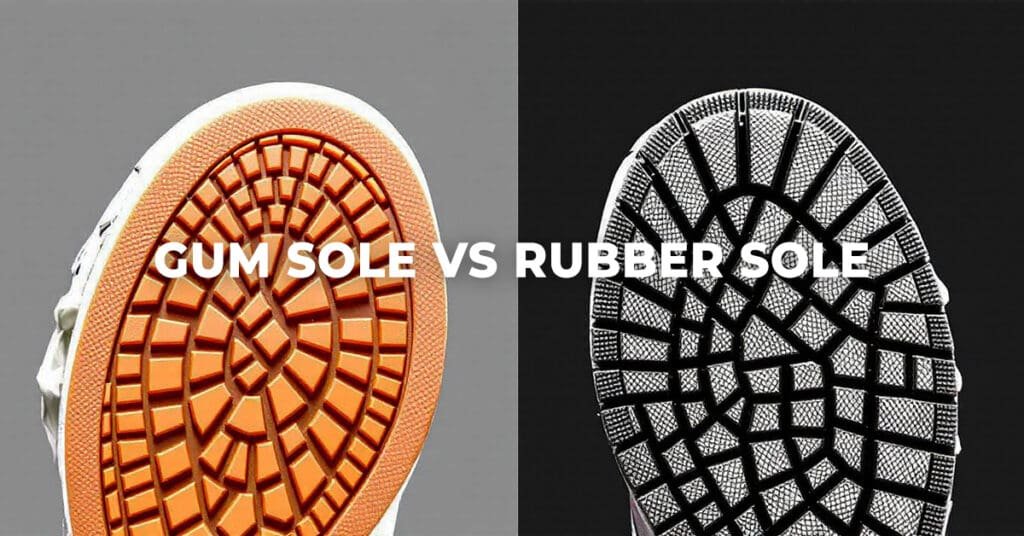
Introduction: Why Sole Material Matters
When buying sneakers, boots, or casual shoes, most people focus on upper material and design. However, the sole plays a critical role in grip, durability, and overall comfort. That’s why many buyers ask about the gum sole vs rubber solecomparison.
Both materials offer traction and flexibility, but they differ in composition, performance, and long-term wear. During professional footwear testing and detailed fashion audits, experts evaluate outsole hardness, grip pattern, and abrasion resistance before recommending one over the other.
Let’s explore their differences clearly so you can make an informed decision.
What Is a Gum Sole?
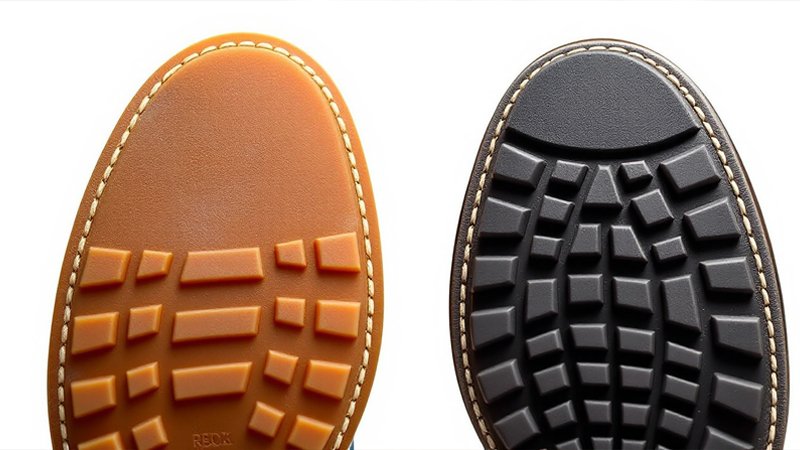
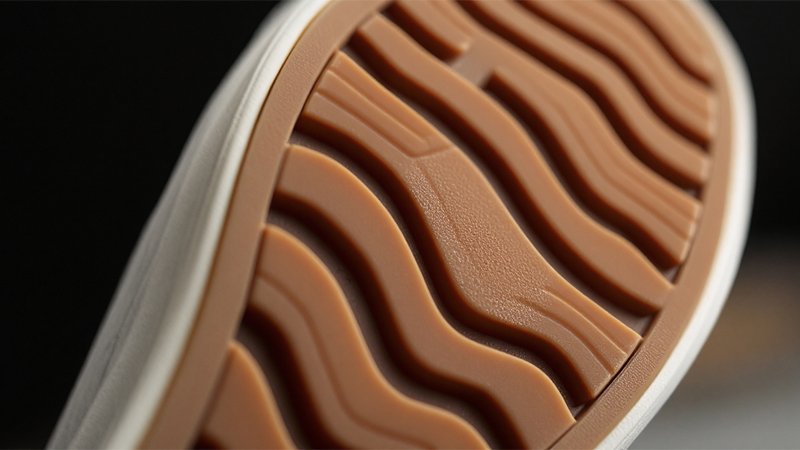
A gum sole is a type of natural or synthetic rubber sole known for its distinctive brown or caramel color. Manufacturers create it using rubber compounds that remain softer and more flexible.
Key Features of Gum Soles:
- Excellent grip on indoor surfaces
- Flexible structure
- Classic brown appearance
- Non-marking on floors
- Popular in lifestyle and skate shoes
Because of its softer composition, gum soles often provide superior traction on smooth surfaces like basketball courts.
What Is a Rubber Sole?
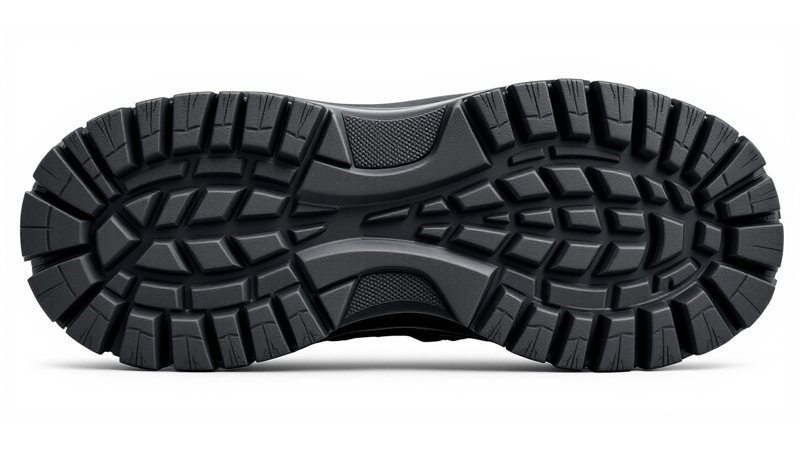
A rubber sole refers to any outsole made primarily from rubber compounds. These compounds may vary in hardness and durability.
Key Features of Rubber Soles:
- High durability
- Strong abrasion resistance
- Water-resistant properties
- Suitable for various terrains
- Available in multiple colors
Rubber soles appear in running shoes, boots, and work footwear due to their long-lasting performance.
Gum Sole vs Rubber Sole: Key Differences Explained
Now let’s compare them across major performance factors.
1️⃣ Traction
Gum soles provide excellent grip on indoor courts and smooth surfaces.
Rubber soles offer versatile traction for outdoor use.
Best for indoor sports: Gum sole
Best for outdoor use: Rubber sole
2️⃣ Durability
Rubber soles typically last longer due to harder compounds.
Gum soles wear down faster if used on rough surfaces.
Winner for durability: Rubber sole
3️⃣ Flexibility
Gum soles feel softer and more flexible.
Rubber soles may feel firmer depending on the compound.
4️⃣ Appearance
Gum soles feature a natural brown look that gives shoes a vintage or sporty style.
Rubber soles come in black, white, or custom colors.
5️⃣ Weight
Both materials offer moderate weight. However, compound formulation affects final shoe weight.
Quick Comparison Table
| Feature | Gum Sole | Rubber Sole |
|---|---|---|
| Color | Brown/Caramel | Various colors |
| Grip | Excellent indoor grip | Good all-purpose grip |
| Durability | Moderate | High |
| Flexibility | Soft | Moderate to firm |
| Surface Suitability | Indoor courts | Outdoor terrain |
| Style | Vintage/sporty | Versatile |
Which Is Better for Different Uses?
For Basketball or Indoor Sports:
Gum soles perform better due to superior court traction.
For Running or Outdoor Walking:
Rubber soles offer better durability and weather resistance.
For Casual Sneakers:
Both work well, depending on style preference.
Environmental Considerations
Both gum and rubber soles can be made from natural or synthetic materials. During sustainability-focused fashion audits, experts evaluate material sourcing and longevity before assessing environmental impact.
Longer-lasting soles help reduce waste.
Common Buying Mistakes
Many buyers:
- Choose based only on appearance
- Ignore usage environment
- Assume all rubber soles perform the same
- Forget to check tread pattern
Always match sole material to activity.
FAQs
1. Is a gum sole real rubber?
Yes, it is usually made from natural or synthetic rubber compounds.
2. Which sole lasts longer?
Rubber soles generally last longer.
3. Are gum soles good for outdoor use?
They can work outdoors but may wear faster on rough terrain.
4. Do gum soles mark floors?
No, they are typically non-marking.
5. Which is better for everyday wear?
Rubber soles offer more versatility for daily use.
Conclusion: Choosing the Right Sole
Understanding the gum sole vs rubber sole differences helps you select footwear that matches your lifestyle. If you need superior indoor grip and classic style, gum soles work well. If durability and outdoor performance matter more, rubber soles provide better long-term value.
Make your decision based on environment, activity level, and comfort needs. The right outsole improves both safety and performance.