
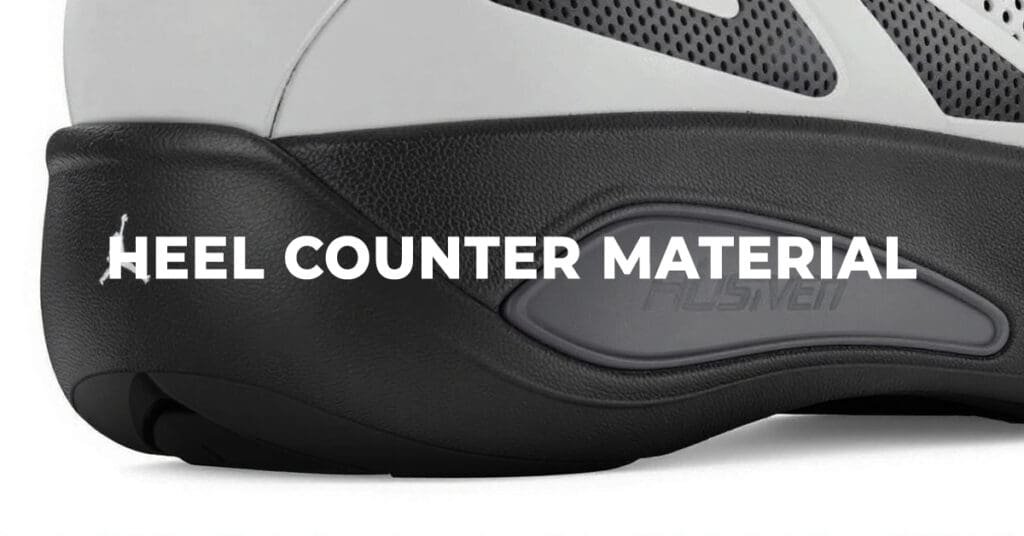
Introduction: Why the Heel Area Matters in Footwear
Footwear performance depends on more than just cushioning and uppers. However, one of the most critical structural components often goes unnoticed—the heel counter. This internal element plays a major role in stability, fit, and durability.
In both athletic and casual shoes, the right heel reinforcement improves foot alignment and comfort. As a result, heel construction is closely examined during quality checks and structural fashion audits.
What Is Heel Counter Material?
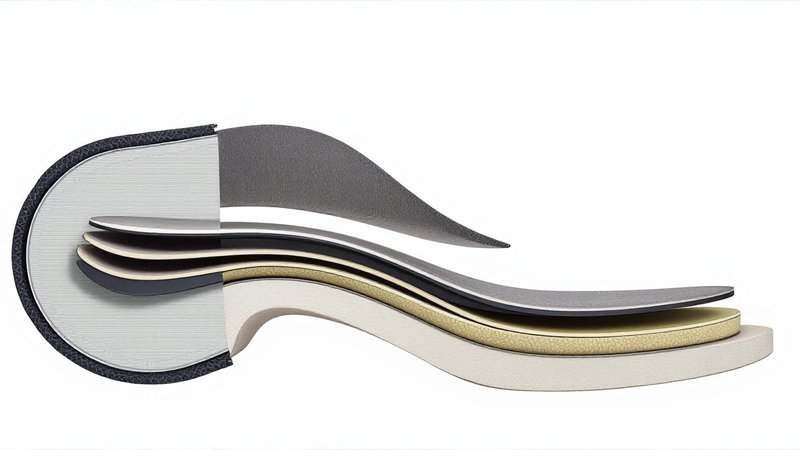
Heel counter material refers to the stiff or semi-rigid component placed around the heel area of a shoe. Unlike soft padding, this structure helps maintain the shoe’s shape and supports the rearfoot during movement.
Key characteristics include:
- Internal reinforcement around the heel
- Molded or layered construction
- Provides structure without excessive weight
- Hidden between lining and upper
Because it controls heel motion, it directly affects stability.
Why Heel Counter Material Is Important
The heel experiences repeated impact and motion. Without proper reinforcement, shoes can collapse or lose shape over time.
Heel counter materials help by:
- Stabilizing the rearfoot
- Improving heel fit and lock
- Reducing excessive inward or outward movement
- Maintaining shoe shape
As a result, wearers experience better balance and support.
Common Types of Heel Counter Materials
Different footwear styles use different reinforcement options.
Thermoplastic (TPU or TPR)
Molded plastics commonly used in athletic shoes.
Compressed Fiberboard
Traditional option in casual and dress footwear.
Injected Plastic Counters
Provide consistent shape and strength.
Non-Woven Synthetic Sheets
Lightweight and flexible reinforcement.
Heel Counter Material vs Heel Padding
| Feature | Heel Counter | Heel Padding |
|---|---|---|
| Function | Structural support | Comfort |
| Location | Internal heel wall | Inner lining |
| Firmness | Stiff or semi-rigid | Soft |
| Role | Stability and shape | Cushioning |
Therefore, both elements work together rather than replace each other.
Heel Counter Materials Used by Shoe Type
Different shoes require different heel stiffness levels.
- Running shoes: Lightweight thermoplastics
- Walking shoes: Semi-rigid synthetic counters
- Dress shoes: Fiberboard or leatherboard
- Boots: Thick plastic or reinforced composites
- Children’s shoes: Flexible molded counters
As a result, material choice depends on function.
Comfort and Fit Benefits
A well-designed heel counter improves comfort by:
- Preventing heel slippage
- Enhancing foot alignment
- Supporting natural gait
- Reducing friction
However, overly stiff counters may cause discomfort if poorly shaped.
Durability and Long-Term Performance
Quality heel counter materials hold shape over time. Instead of collapsing, reinforced heels maintain structure after repeated wear.
With proper construction:
- Heel shape remains intact
- Rearfoot support stays consistent
- Shoe lifespan increases
As a result, durability improves significantly.
Heel Counter Material and Foot Health
Rearfoot stability supports healthy movement. Because of this, heel counters are especially important for:
- Overpronation control
- Balance during walking
- Reducing heel strain
- Supporting orthotic use
Footwear specialists often evaluate this area closely.
Care and Longevity Considerations
Heel counters require no direct maintenance. However:
- Avoid crushing shoes during storage
- Use shoe trees when possible
- Dry shoes properly after moisture exposure
Sustainability Perspective
Modern heel counters increasingly use recycled or lightweight materials. Because of this, brands can improve durability without adding excessive material use.
During a fashion audit, long-lasting structural components often contribute to sustainability scoring.
When Strong Heel Counter Material Is Essential
Choose shoes with proper heel reinforcement if you want:
- Better rearfoot stability
- Improved walking or running support
- Longer shoe lifespan
- Secure heel fit
As a result, this feature benefits both comfort and performance.
Common Misconceptions
However, some people:
- Confuse heel counters with padding
- Assume stiffer is always better
- Ignore internal construction quality
- Focus only on cushioning
Balanced design matters more than stiffness alone.
FAQs
Q1: Is heel counter material visible from outside?
Usually no, it is hidden inside the shoe.
Q2: Are hard heel counters uncomfortable?
Only if poorly shaped or mismatched to foot type.
Q3: Do all shoes need heel counters?
Most closed shoes use some form of heel reinforcement.
Q4: Can heel counters break down over time?
Low-quality materials may soften or collapse.
Q5: Are heel counters important for running shoes?
Yes, they help control rearfoot movement.
Conclusion: Small Structure, Big Impact
In conclusion, heel counter material plays a crucial role in footwear stability, fit, and durability. While often hidden, this component supports rearfoot alignment and preserves shoe structure through daily wear.
Ultimately, whether you’re selecting supportive footwear or reviewing construction quality during a detailed fashion audit, heel counter materials remain a key indicator of shoe performance and longevity.