
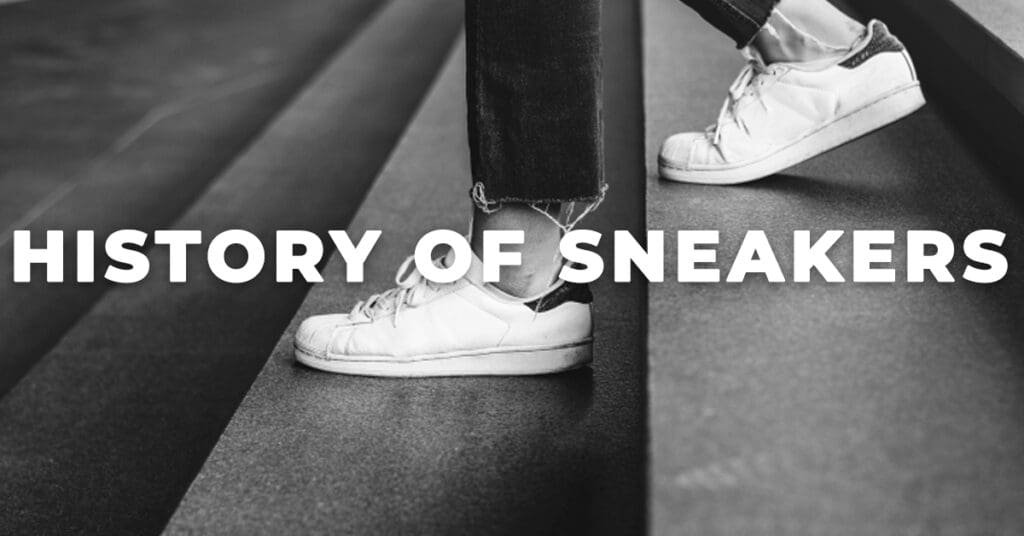
Introduction: The Rise of Sneakers Through Time
Sneakers today are everywhere—on streets, runways, gyms, campuses, offices, and even red carpets. But the History of Sneakers is far older, deeper, and more fascinating than most people imagine. What began as simple rubber-soled shoes has grown into a global fashion industry built on culture, identity, sports, and storytelling.
As Fashion Audit explains:
“Sneakers are more than footwear—they mirror society, technology, and the evolution of style.”
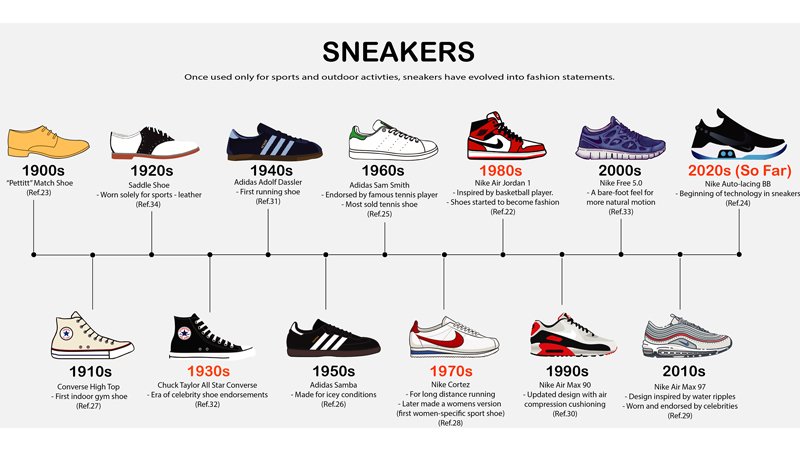
1. The Origin: Rubber Soles in the Late 1800s
The story begins in the 1800s when the invention of vulcanized rubber changed the future of footwear forever.
Key Milestones
- 1839: Charles Goodyear invents vulcanized rubber.
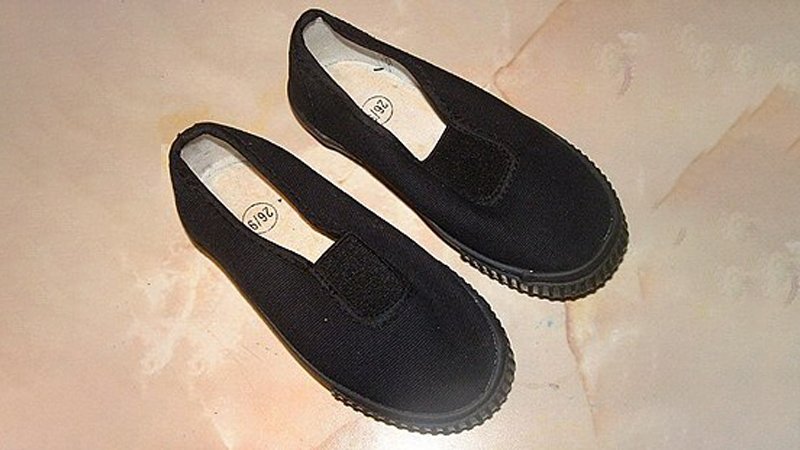
- Late 1800s: Rubber-soled shoes called “plimsolls” appear in the U.S. and U.K.
- Purpose: Comfortable shoes for beach, leisure, and sports.
These early shoes earned the name “sneakers” because the rubber soles allowed people to sneak around quietly.
2. The Birth of Sports Shoes (Early 1900s)
Sneakers found their first big purpose in sports.
Important Developments
- 1907: Spalding creates basketball shoes.
- 1917: Converse releases the Converse All-Star, a true breakthrough.
- 1921: Chuck Taylor endorses the shoe, making it iconic.
This era established sneakers as athletic gear, not just casual footwear.
3. The 1930s–1950s: The Running Revolution Begins
Sneakers became more specialized as athletes demanded better performance.
Highlights
- 1936 Olympics: Jesse Owens wins gold wearing special running shoes made in Germany (future Adidas).
- 1949: Adidas officially launches.
- 1950s: Puma enters the scene with performance-focused designs.
The History of Sneakers accelerated as sports brands began refining cushioning, traction, and support.

4. The Cultural Explosion of the 1960s–1970s
Sneakers were no longer just for sports. They entered everyday fashion.
Key Shifts
- Youth culture embraced casual style.
- Converse and Adidas became symbols of coolness.
- Jogging became popular, leading to demand for training shoes.
- 1974: Nike introduces the Waffle Trainer, changing cushioning forever.
Sneakers became part of lifestyle—not just athletic needs.
5. The 1980s: The Golden Age of Sneaker Culture
No era shaped the History of Sneakers more than the 1980s.
Defining Moments
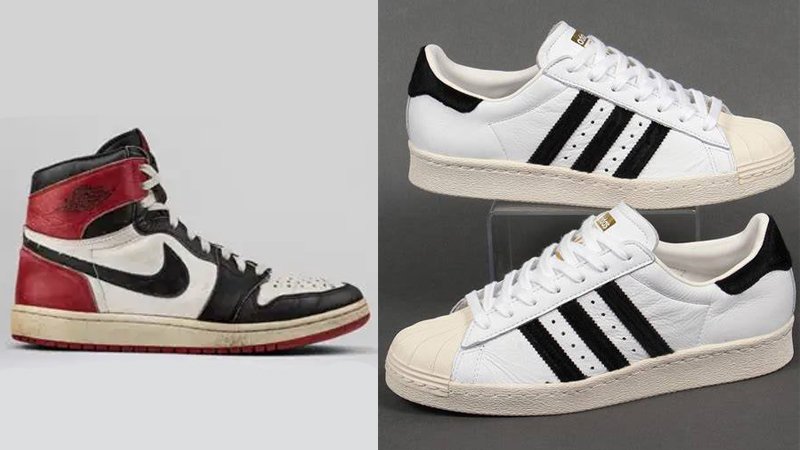
- 1984: Nike partners with Michael Jordan → Air Jordan is born.
- Sneakers become status symbols.
- Hip-hop culture adopts sneakers as a part of identity.
- Run-D.M.C. and Adidas create the first music–sneaker crossover.
This decade proved sneakers could be fashion, culture, and community, all in one.
6. The 1990s: Technology, Streetwear & Celebrity Influence
In the 90s, sneaker design exploded with imagination.
Trends of the Decade
- Air cushioning, visible tech, gel technology
- Streetwear brands rising in influence
- Reebok Pump, Nike Air Max, Fila Disruptor
- Sneaker collecting begins taking shape
Sneakers now symbolized personality, taste, and identity.
7. The 2000s: Luxury Meets Sneakers
The early 2000s reshaped sneaker culture again.
Transformations
- Luxury brands like Gucci and Prada enter sneaker design.
- Sports brands innovate with lighter materials.
- Skate shoes (Vans, DC) become mainstream.
- India sees growing sneaker demand as global brands enter the market.
The sneaker industry becomes a fashion powerhouse.
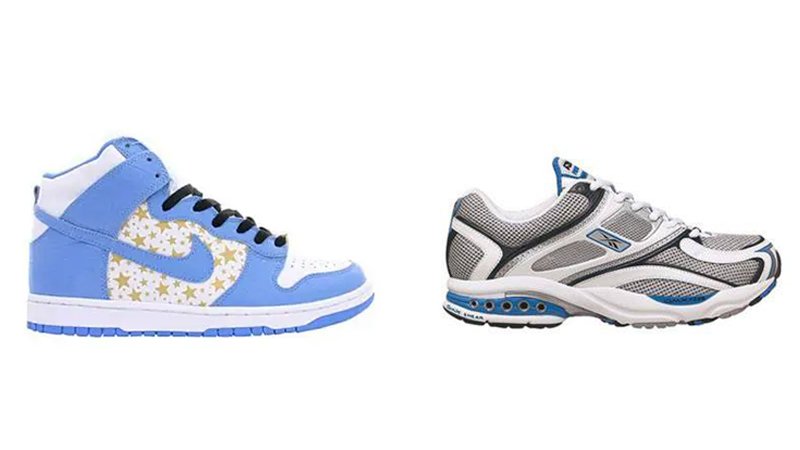
8. The 2010s: Hype, Drops & the Sneaker Economy
This era introduced “sneaker hype” as a global phenomenon.
Key Features
- Brands adopt limited drops and collaborations.
- Kanye West × Adidas releases Yeezy, redefining hype culture.
- Supreme, Off-White, and Fear of God push sneaker fashion into new territory.
- Resale market becomes a billion-dollar industry.
- Social media accelerates sneaker trends.
As Fashion Audit observes,
“The sneaker became an investment, not just footwear.”
9. The 2020s: Sustainability & Technology Take Over
Modern sneakers are shaped by eco-awareness and advanced engineering.
Modern Trends
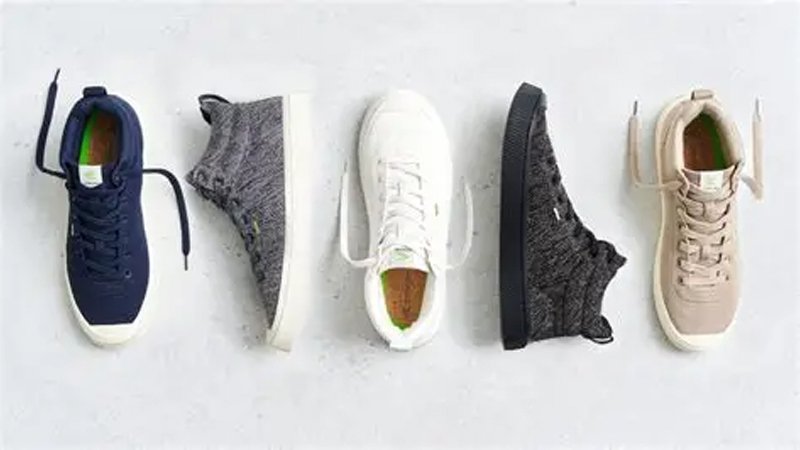
- Recycled materials (e.g., Nike Flyleather, Adidas Parley).
- 3D-printed outsoles.
- Lightweight knit uppers.
- Vegan designs.
- AI-powered sizing tools.
Brands are shifting toward planet-friendly manufacturing without losing style or performance.
10. The Evolution of Sneakers in India
India’s sneaker landscape has grown rapidly in the last decade.
Key Drivers
- Rising athleisure culture
- Growth of fitness and sports
- Social media influence
- Entry of global brands
- Local brands like HRX, Neeman’s, Campus, Red Tape joining the sneaker wave
Indian consumers today treat sneakers as everyday essentials—not just sports gear.
Fashion Audit notes,
“India has entered the sneaker conversation with energy, influence, and innovation.”
FAQs About the History of Sneakers
1. When were the first sneakers created?
In the late 1800s, when vulcanized rubber allowed soft-soled footwear.
2. Which sneaker is considered the most iconic?
The Converse Chuck Taylor All-Star has remained iconic for over 100 years.
3. What era began sneaker culture?
The 1980s, thanks to Air Jordan, hip-hop, and sports endorsements.
4. How have sneakers changed over time?
They evolved from basic rubber shoes to high-tech performance and fashion symbols.
5. Does Fashion Audit recommend studying sneaker history?
Yes. Fashion Audit believes understanding the past helps appreciate modern sneaker innovation.
Conclusion: Sneakers Are More Than Footwear — They Are a Cultural Story
From rubber plimsolls to futuristic 3D-printed pairs, the History of Sneakers reflects global culture, technology, fashion, and community. Every decade added new meaning, shaping sneakers into something deeper than footwear. They are now symbols of expression, creativity, and identity.
As Fashion Audit beautifully summarizes:
“Sneakers tell the story of society—its heroes, its style, its evolution, and its individuality.”
Disclaimer:
All trademarks, logos, product names, and brand identifiers mentioned on FashionAudit.com are the property of their respective owners. They are used solely for the purpose of product review, comparison, and consumer information. FashionAudit.com does not claim any ownership of these marks.
No copyright or trademark infringement is intended. If any brand or rights holder believes their intellectual property has been misused, they can contact us directly and we will address the issue promptly.