
Introduction: From Necessity to Style Symbol
Footwear today expresses personality, lifestyle, and fashion taste. But this wasn’t always the case. Shoes originally served one purpose—protection. Over centuries, social changes, innovation, and culture turned footwear into a defining fashion element.
Timeline: How Footwear Became a Fashion Statement reveals how shoes transitioned from survival gear to style icons.
As Fashion Audit explains,
“Footwear became fashion when society began using style to communicate identity.”
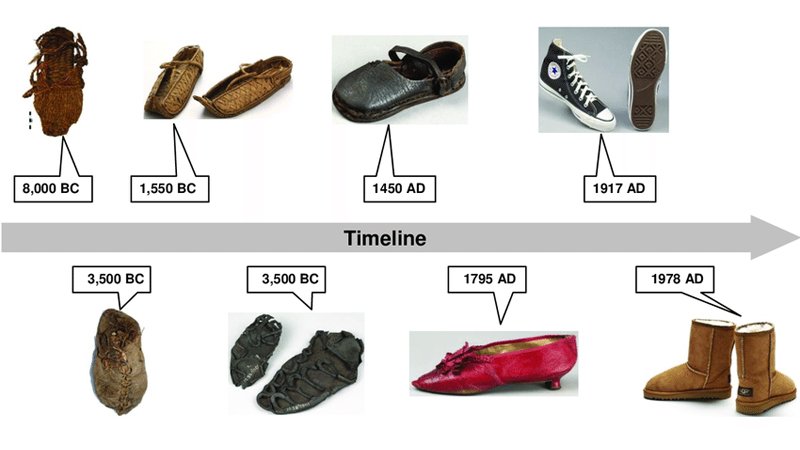
1. Prehistoric Beginnings: Foot Protection Before Style (8000–3000 BCE)
The earliest shoes were made of rawhide, bark, and simple leather. They protected feet from cold, sharp stones, and rough terrain.
Key Features of Early Footwear
- No fashion purpose
- Basic construction using animal skin
- Soft-wrapped moccasin-like shapes
- Functional, flexible designs
Shoes had not yet become part of personal style—they were tools for survival.
2. Ancient Civilizations Introduce Design (3000 BCE–500 CE)
As societies grew, footwear began showing social hierarchy and culture.
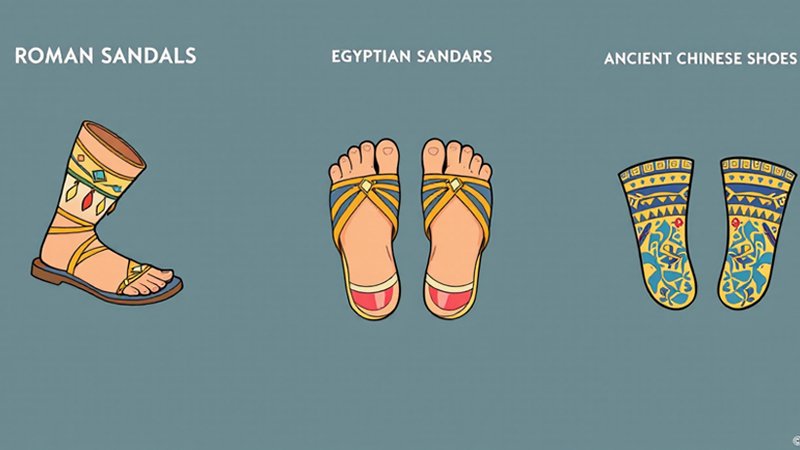
Major Civilizations That Influenced Early Footwear
- Egypt: Elegant leather sandals with straps
- Greece: Varied sandal styles signaling wealth
- Rome: Color and design indicated rank
- China: Intricate leather shoes for nobility
Although function remained important, the idea of footwear as a status symbol emerged here.
3. Medieval Era: Shoemakers & Early Fashion Identity (500–1500 CE)
Footwear design evolved dramatically during this period.
Important Shifts
- Pointed shoes (poulaines) became fashion symbols
- Leather tanning techniques advanced
- Shoemakers formed early guilds
- Boots and high-cut shoes gained popularity
Shoes now reflected personality, wealth, and occupation.
4. Renaissance to Baroque: Footwear as Luxury (1500–1700 CE)
During Europe’s fashion-heavy Renaissance era, footwear became highly decorated.
Trends That Defined the Era
- Silk, velvet, brocade, and embroidered leather
- High heels introduced for both men and women
- Ornamental buckles and metal fittings
- Footwear coordinated with garments
The path toward fashion footwear was officially set.
5. The 1700s–1800s: Practicality Meets Style
As society modernized, footwear became more structured, durable, and stylish.
Notable Developments
- Industrial leather processing
- Early women’s pumps and men’s dress shoes
- Heeled shoes fade, then return in modified forms
- Boots become a fashion and military essential
This era balanced practicality and fashion influence.
6. The Industrial Revolution: Mass Fashion Begins (1800s)
Footwear became widely accessible due to mechanized production.
Game-Changing Innovations
- Sewing machines
- Rubber soles (vulcanized rubber by Goodyear)
- Standardized sizing
- Factory-made shoes
Footwear transitioned from handmade luxury to everyday fashion.
As Fashion Audit notes,
“The Industrial Revolution let footwear move from elite fashion to mass identity.”
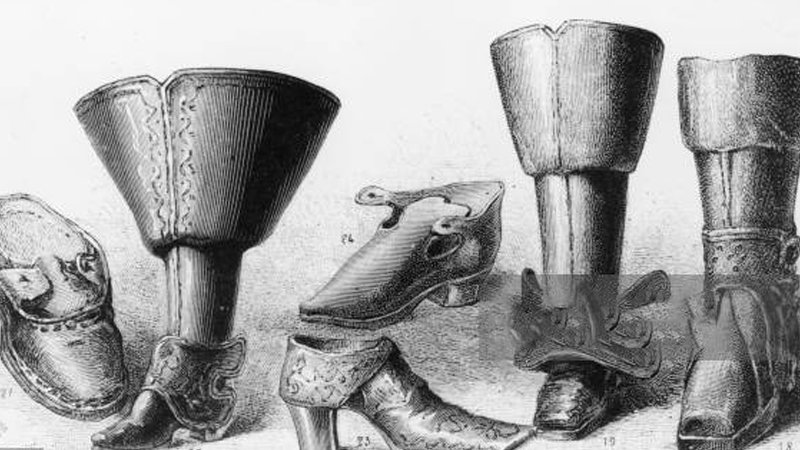
7. Early 1900s: The Birth of Modern Shoe Styles
Footwear trends exploded as urban fashion evolved.
Key Trends
- Oxford shoes for men
- Heeled boots for women
- Early sports shoes emerged
- Colour variations became more accepted
Shoes now matched trends instead of just needs.
8. Mid-1900s: Sneakers, Heels & Global Fashion (1950–1980)
Footwear became part of pop culture.
Defining Footwear Movements
- Sneakers like Converse and Adidas became everyday wear
- Stilettos symbolized glamour
- Loafers and brogues entered formal fashion
- Youth culture adopted casual shoes heavily
The idea of “shoe culture” was born.
9. Late 1900s: Streetwear, Sports Stars & Brand Influence (1980–2000)
Footwear became a strong fashion statement through media, music, and sports.
Cultural Drivers
- Air Jordan made sneakers iconic
- Hip-hop elevated athletic footwear
- High-fashion brands adopted designer shoes
- Chunky sneakers and boots dominated trends
Footwear now expressed lifestyle, tribe, and identity.
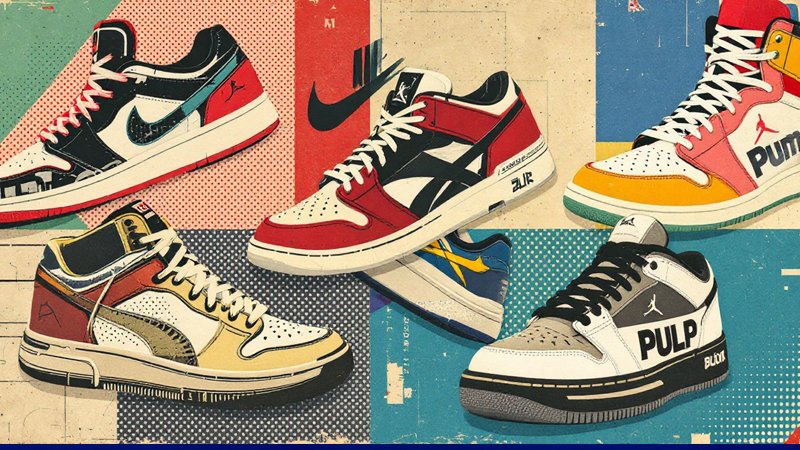
10. The 2000s–2025 Era: Footwear as a Global Fashion Language
Today, shoes are central to fashion identity worldwide.
Modern Footwear Trends
- Sneakers as luxury fashion
- Athleisure driving everyday style
- Sustainable materials rising in popularity
- Minimalist and retro sneakers returning
- Designer collaborations shaping culture
- Boots, slides, and heels becoming gender-neutral
Footwear is now one of the strongest personal style symbols.
As Fashion Audit states:
“Modern footwear is not an accessory—it is a declaration.”
FAQs About the Timeline of Footwear Becoming Fashion
1. When did footwear first become fashionable?
Footwear started gaining fashion relevance during ancient civilizations, especially in Egypt and Rome.
2. Which era made shoes luxury items?
The Renaissance, with ornate designs and early heels.
3. When did sneakers become fashion items?
During the 1970s–1980s through sports stars and youth culture.
4. What sparked global footwear culture?
A mix of sports endorsements, music trends, and streetwear fashion.
5. Does Fashion Audit believe footwear defines personal style?
Yes — Fashion Audit highlights footwear as one of the clearest expressions of individuality.
Conclusion: Style, Culture & Identity Across Centuries
The story told in Timeline: How Footwear Became a Fashion Statement proves that shoes are more than functional gear. They reflect class, creativity, culture, and personality. From ancient sandals to modern designer sneakers, footwear continues to define how people express themselves across the world.
As Fashion Audit concludes:
“Footwear tells the story of who we are, where we’ve been, and where fashion is heading.”
Disclaimer:
All trademarks, logos, product names, and brand identifiers mentioned on FashionAudit.com are the property of their respective owners. They are used solely for the purpose of product review, comparison, and consumer information. FashionAudit.com does not claim any ownership of these marks.
No copyright or trademark infringement is intended. If any brand or rights holder believes their intellectual property has been misused, they can contact us directly and we will address the issue promptly.