
Introduction: Fashion Meets Function in Every Stitch
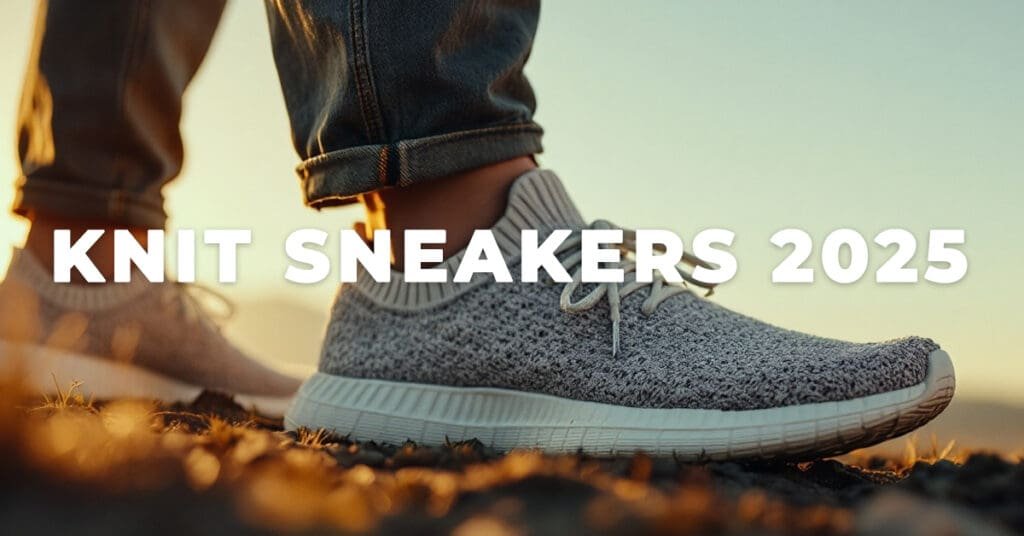
In the last few years, knit sneakers have revolutionized the footwear industry. Once limited to running shoes, they’ve now become a lifestyle essential — combining comfort, flexibility, and sustainability.
According to Fashion Audit, 2025 marks a golden age for knit technology, where performance materials meet premium design aesthetics. The secret lies in the types of yarns and fibers used to craft these innovative shoes.
1. What Are Knit Sneakers?
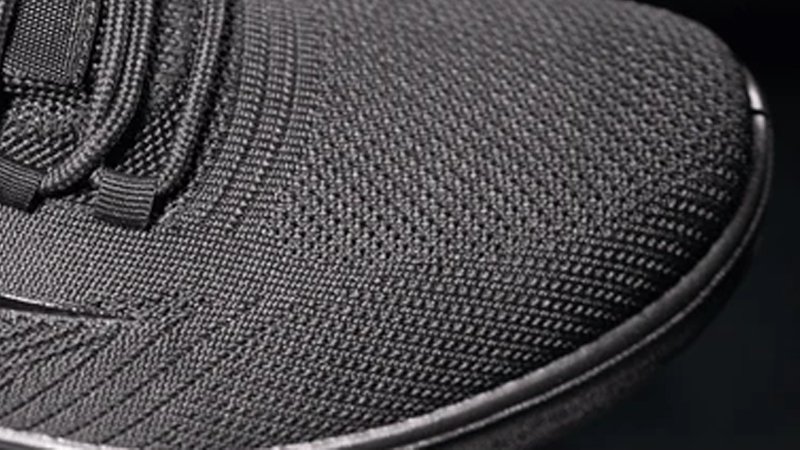
Knit sneakers are shoes made using a woven or knitted upper rather than traditional leather or mesh materials. This 3D knitting process creates a seamless, sock-like fit that wraps naturally around the foot.
Unlike traditional shoes, knit sneakers reduce waste and use fewer materials during production, aligning with eco-conscious manufacturing trends.
Fashion Audit Insight: Knit footwear is redefining comfort — proving that sustainability and sophistication can walk hand-in-hand.
2. Key Materials Used in Knit Sneakers
The performance and comfort of knit sneakers depend on the specific yarns and fibers used in their upper construction. Let’s explore the most common materials powering this trend.
2.1 Recycled Polyester Yarn
One of the most common materials in modern knit sneakers. It’s made from recycled plastic bottles (PET) or textile waste, transformed into fine yarns.
Key Traits:
- Lightweight and breathable.
- Highly durable and flexible.
- Eco-friendly with reduced carbon footprint.
Used In: Sustainable sneaker lines and casual athleisure footwear.
Fashion Audit Note: Leading brands like Allbirds and Adidas are championing recycled polyester as a cornerstone of responsible fashion.
2.2 Nylon Knit Yarn
Nylon is used to add elasticity and structure to the knit. It’s smooth, strong, and helps maintain the shoe’s shape over time.
Key Traits:
- Excellent stretch and recovery.
- Resistant to abrasion.
- Provides a snug, supportive fit.
Used In: Performance sneakers and running shoes.
2.3 Spandex (Elastane) Blends
Spandex — or Elastane — is blended in small quantities to give knit sneakers their signature “second-skin” flexibility.
Key Traits:
- High elasticity for a glove-like fit.
- Enhances comfort during movement.
- Prevents material sagging over time.
Used In: Knit uppers designed for dynamic sports and training.
2.4 Cotton & Organic Cotton Yarns
Cotton yarns bring softness and natural breathability to the shoe, making them ideal for casual wear.
Key Traits:
- Breathable and gentle on the skin.
- Sustainable when organically sourced.
- Less elastic than synthetic yarns.
Used In: Lifestyle knit sneakers and minimalist fashion sneakers.
2.5 Flyknit and Primeknit Materials
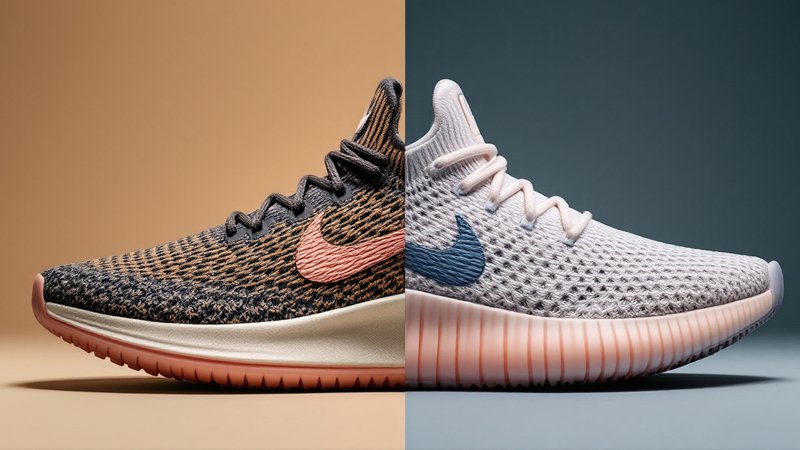
These are proprietary engineered knit technologies created by Nike and Adidas, respectively.
- Nike Flyknit: Made using high-strength polyester yarn woven into specific patterns for support and flexibility.
- Adidas Primeknit: Features digitally woven threads that adapt to the foot’s movement.
Key Traits:
- Lightweight and supportive.
- Seamless design reduces waste.
- Enhanced airflow and stretch zones.
Used In: High-performance sneakers and premium lifestyle collections.
Fashion Audit Observation: These materials are not just about comfort — they represent precision engineering for the perfect fit.
2.6 Eucalyptus Fiber Knit
Used in eco-conscious footwear like Allbirds, eucalyptus-based knit is made from tree pulp using sustainable farming and low-water processes.
Key Traits:
- Naturally breathable and cooling.
- Biodegradable and moisture-wicking.
- Smooth, silky texture.
Used In: Sustainable lifestyle sneakers and eco-luxury collections.
2.7 Bamboo Knit Blends
A natural alternative to synthetics, bamboo fibers are soft, hypoallergenic, and temperature-regulating.
Key Traits:
- Anti-odor and moisture-resistant.
- Eco-friendly and renewable.
- Adds natural softness to the knit.
Used In: Casual sneakers and leisure footwear.
3. Supporting Materials Beyond the Knit Upper
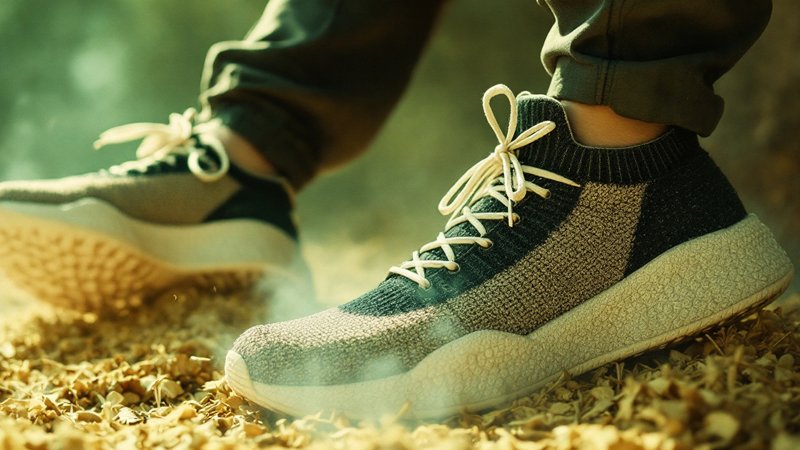
Knit sneakers feature other components that enhance durability, cushioning, and structure.
| Component | Material Used | Purpose |
|---|---|---|
| Sole | EVA, TPU, or Rubber | Provides traction and stability |
| Midsole | Memory Foam or Phylon | Adds cushioning and shock absorption |
| Insole | Ortholite or Cork | Offers comfort and odor resistance |
| Heel Support | Reinforced TPU or Synthetic Overlay | Maintains structure |
| Laces/Straps | Nylon or Recycled Polyester | Secures fit |
| Lining | Soft Mesh or Fabric Knit | Improves breathability |
Fashion Audit Tip: A quality pair of knit sneakers uses eco-conscious materials throughout — not just in the upper.
4. Benefits of Knit Sneaker Materials
- Lightweight & Breathable: Reduces heat buildup during wear.
- Flexible Structure: Adapts naturally to your foot’s shape.
- Seamless Comfort: Fewer stitches mean fewer pressure points.
- Eco-Friendly Manufacturing: Produces minimal material waste.
- Stylish Versatility: Matches activewear, streetwear, and smart-casual looks.
Fashion Audit Insight: Comfort no longer means compromise — knit sneaker materials bring performance-level ease to everyday fashion.
5. Innovations in Knit Sneaker Materials (2025 Trends)
Footwear brands are experimenting with next-generation fibers and 3D-knit technologies that blend aesthetics, performance, and sustainability.
- Bio-Based Yarns: Derived from corn, castor beans, and algae.
- 3D Printing Integration: Precision-printed midsoles fused with knit uppers.
- Thermo-Adaptive Knits: Adjust breathability depending on temperature.
- Recycled Ocean Plastics: Giving waste materials a second life.
- Zero-Waste Knitting: Digital patterning eliminates fabric offcuts.
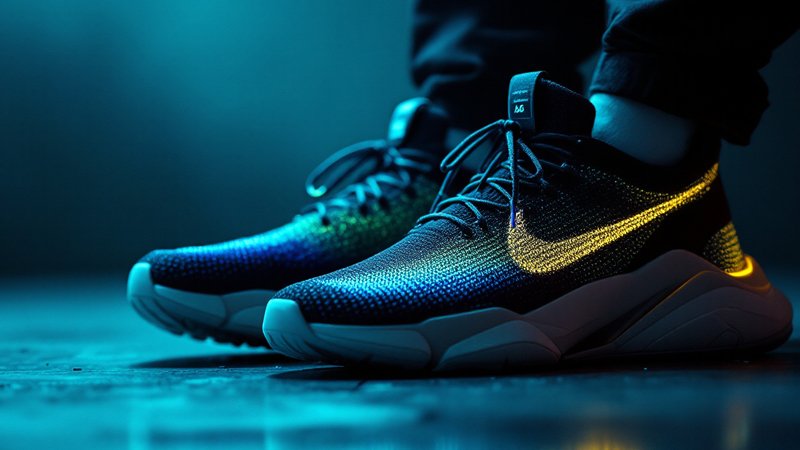
Fashion Audit Forecast: Expect knit sneakers to dominate the market — not just for athletes but as an everyday luxury.
6. Caring for Knit Sneakers
- Hand Wash or Gentle Machine Cycle: Use mild detergent in cold water.
- Air Dry Only: Avoid dryers to prevent shrinking.
- Use a Soft Brush: Remove surface dirt without damaging fibers.
- Deodorize Naturally: Use baking soda or shoe inserts.
- Avoid Rough Surfaces: Friction can pull threads.
Pro Tip: Place knit sneakers inside a mesh laundry bag during washing for extra protection.
7. Top Knit Sneaker Brands of 2025
| Brand | Material Highlight | Key Feature |
|---|---|---|
| Nike | Flyknit Polyester | Breathable and lightweight performance |
| Adidas | Primeknit Recycled Yarn | Seamless comfort with eco-focus |
| Allbirds | Eucalyptus Fiber | 100% sustainable and biodegradable |
| Rothy’s | Recycled Plastic Knit | Stylish, washable, and planet-friendly |
| Puma | EvoKnit Nylon Blend | Athletic precision meets style |
| On Running | Engineered Knit | Advanced cushioning and fit |
Fashion Audit Note: These brands are redefining footwear by using innovation as a material, not just a concept.
8. Why Knit Sneakers Are the Future of Footwear
Knit sneakers have redefined how we think about shoes — they’re no longer just functional, but an extension of personal comfort and environmental responsibility.
They combine the softness of fabric with the precision of engineering — a perfect reflection of where fashion is heading.
As Fashion Audit eloquently sums it up:
“Knit sneakers don’t just adapt to your feet — they adapt to the future.”
FAQs About Knit Sneaker Materials
1. What are knit sneakers made of?
Mostly recycled polyester, nylon, spandex, or eco-friendly natural fibers like eucalyptus or bamboo.
2. Are knit sneakers durable?
Yes — engineered knits are designed to stretch and rebound without losing shape.
3. Can knit sneakers get wet?
They’re water-resistant but not waterproof; always air dry them after exposure to moisture.
4. Are they sustainable?
Modern knit sneakers use recycled or bio-based fibers, making them one of the most sustainable footwear options today.
5. Does Fashion Audit recommend any particular brand?
Fashion Audit suggests Allbirds for eco-conscious comfort and Nike Flyknit for high-performance versatility.
Conclusion: The Evolution of Comfort
From recycled threads to 3D-printed soles, knit sneakers have turned sustainability into a design revolution. Lightweight, breathable, and stylish — they’re the perfect shoes for the modern world.
As Fashion Audit beautifully states:
“The best shoes aren’t just worn — they’re woven with purpose.”
Disclaimer:
All trademarks, logos, product names, and brand identifiers mentioned on FashionAudit.com are the property of their respective owners. They are used solely for the purpose of product review, comparison, and consumer information. FashionAudit.com does not claim any ownership of these marks.
No copyright or trademark infringement is intended. If any brand or rights holder believes their intellectual property has been misused, they can contact us directly and we will address the issue promptly.