

Introduction: Why Lining Material Shoes Matter More Than You Think
When choosing shoes, many people focus on the upper design or sole quality. However, the lining—the inner layer that touches your foot—plays a crucial role in comfort, breathability, and hygiene. In fact, poor lining materials can cause sweating, irritation, and unpleasant odors.
Moreover, modern shoes are designed for different climates and activities. As a result, understanding lining material shoes helps you make better footwear decisions, especially when reviewing everyday essentials during a seasonal fashion audit where comfort often outweighs trends.
What Is Shoe Lining Material?
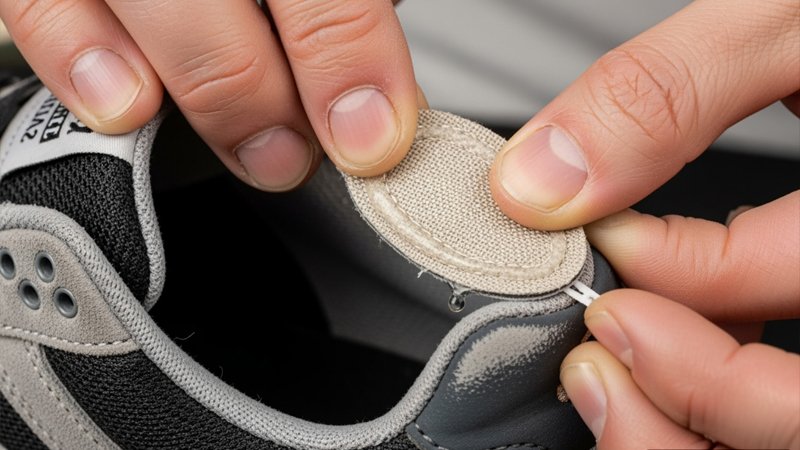
Shoe lining is the inner layer of material that sits between the foot and the shoe’s outer structure. For example, it improves comfort, absorbs moisture, and reduces friction.
Typically, lining materials also help regulate temperature and prevent direct contact with rough inner surfaces. Therefore, lining material plays a vital role in daily comfort and foot health.
Common Lining Materials Used in Shoes
Fabric and Textile Linings
Fabric linings are widely used in casual and everyday shoes. Because they are soft and breathable, they are suitable for long wear.
Key Benefits:
- Comfortable against skin
- Breathable
- Lightweight
Common Uses:
Casual shoes, sneakers, daily footwear
Mesh Linings
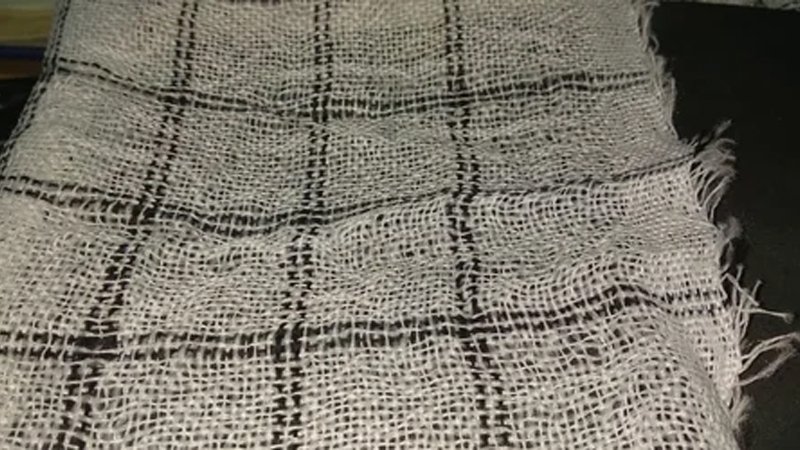
Mesh linings are designed for airflow. As a result, they help keep feet cool and dry.
Key Benefits:
- Excellent ventilation
- Moisture control
- Lightweight feel
Common Uses:
Sports shoes, running shoes, gym footwear
Leather Linings
Leather linings offer a premium feel. Although firmer than fabric, they are breathable and durable.
Key Benefits:
- Long-lasting
- Naturally breathable
- Luxurious comfort
Common Uses:
Formal shoes, boots, premium footwear
Synthetic Linings
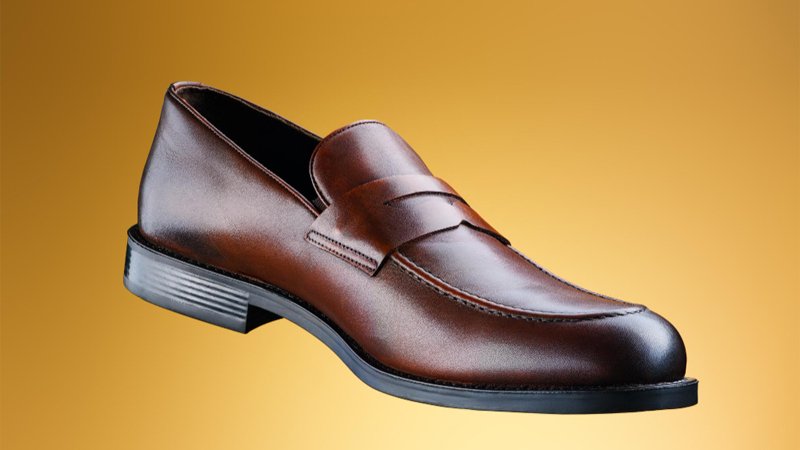
Synthetic linings are engineered for durability and easy maintenance. Therefore, they are often used in budget-friendly or water-resistant footwear.
Key Benefits:
- Easy to clean
- Durable
- Cost-effective
Common Uses:
School shoes, work shoes, outdoor footwear
Fleece and Insulated Linings
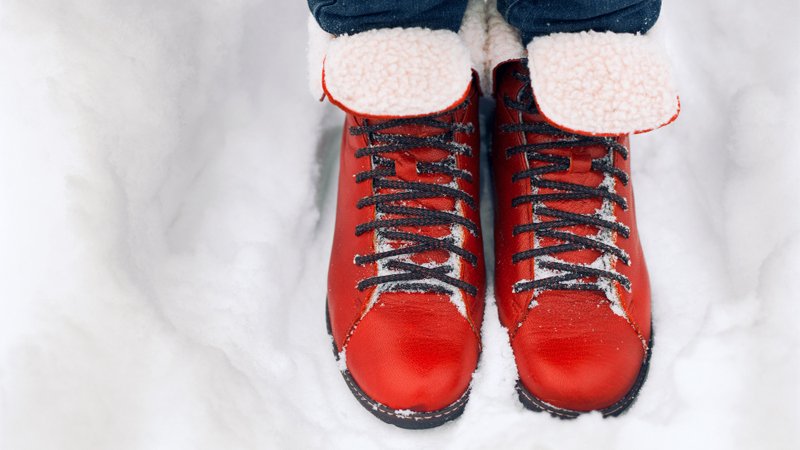
Fleece linings are used in cold-weather shoes. As a result, they provide warmth and insulation.
Key Benefits:
- Heat retention
- Soft comfort
- Ideal for winter use
Common Uses:
Winter boots, cold-climate footwear
Moisture-Wicking & Breathable Linings
Modern shoes often use moisture-wicking linings. Because they pull sweat away from the foot, they help reduce odor and discomfort.
Common Features:
- Sweat absorption
- Faster drying
- Improved hygiene
These linings are especially useful in active and all-day footwear.
Sustainable Lining Materials (2025 Trend)
Meanwhile, sustainability is influencing inner shoe construction. Brands now use recycled polyester, organic cotton, bamboo fibers, and plant-based linings.
Not only do these materials reduce environmental impact, but they also provide comfort and breathability. Therefore, sustainable lining material shoes are becoming popular among consumers who value conscious choices during a thoughtful fashion audit.
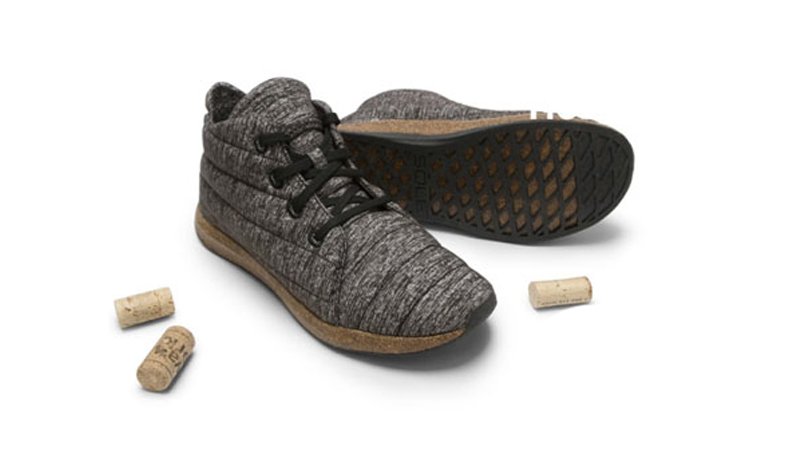
How Lining Material Affects Comfort & Foot Health
Different lining materials serve different needs. For instance:
- Breathable linings reduce sweat
- Soft linings prevent blisters
- Insulated linings keep feet warm
- Smooth linings reduce friction
Therefore, lining material directly impacts hygiene, comfort, and overall shoe experience.
How to Choose the Right Lining Material Shoes
Based on Climate
- Hot weather: Mesh or breathable fabric
- Cold weather: Fleece or insulated lining
- Humid conditions: Moisture-wicking linings
Based on Usage
- Daily wear: Fabric or mesh
- Office wear: Leather lining
- Sports: Moisture-wicking mesh
- Winter use: Fleece-lined interiors
Most importantly, comfort against the skin should always be tested before buying.
Common Mistakes When Choosing Shoe Linings
However, many buyers:
- Ignore breathability
- Choose synthetic linings for hot climates
- Focus only on outer material
- Forget hygiene and sweat control
As a result, shoes may feel uncomfortable over time.
FAQs: Lining Material Shoes
Q1: Why is shoe lining important?
It affects comfort, breathability, and foot hygiene.
Q2: Is leather lining better than fabric?
Leather offers durability, while fabric offers softness and breathability.
Q3: Are mesh linings good for daily use?
Yes, especially in warm or active conditions.
Q4: Are sustainable linings durable?
Yes. Modern eco materials perform as well as traditional options.
Q5: How can I check lining quality?
Feel softness, check stitching, and test breathability.
Conclusion: Inner Comfort Starts With the Right Lining
In conclusion, understanding lining material shoes helps you choose footwear that keeps your feet comfortable, dry, and protected throughout the day. Instead of focusing only on exterior design, paying attention to the inner lining ensures better hygiene and long-term comfort.
Ultimately, the right lining material supports healthier feet and a better wearing experience—step after step.

Disclaimer:
All trademarks, logos, product names, and brand identifiers mentioned on FashionAudit.com are the property of their respective owners. They are used solely for the purpose of product review, comparison, and consumer information. FashionAudit.com does not claim any ownership of these marks.
No copyright or trademark infringement is intended. If any brand or rights holder believes their intellectual property has been misused, they can contact us directly and we will address the issue promptly.