
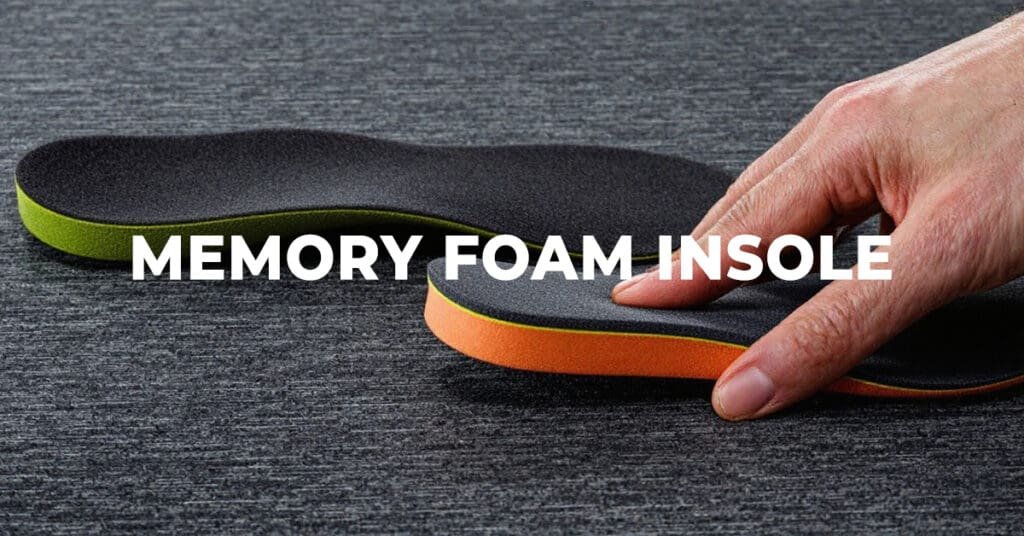
Introduction: Why Adaptive Insoles Matter for Everyday Comfort
Foot comfort directly affects posture, energy levels, and overall mobility. However, many shoes provide limited underfoot cushioning, especially during long hours of standing or walking. Insoles made with memory-reactive foam help solve this issue by adapting to the natural shape of your feet.
Moreover, modern footwear users increasingly prioritize comfort in daily life. As a result, understanding how foam-based insoles work can help you improve comfort without changing your shoes—an important detail often noted during a practical fashion audit.
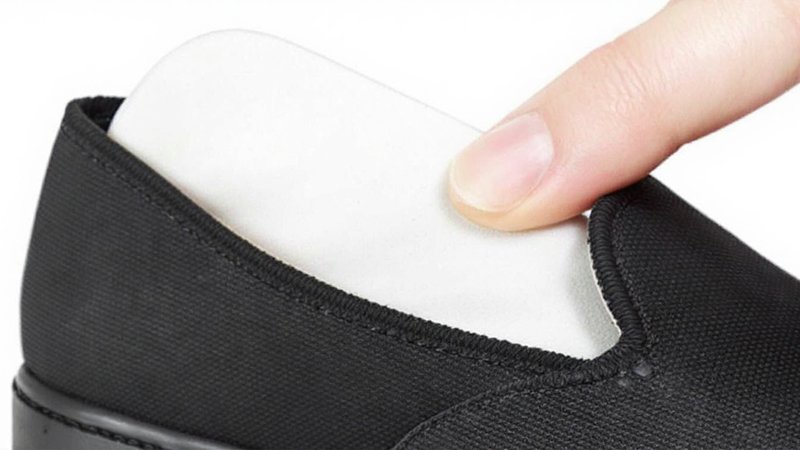
What Is a Memory Foam–Based Insole?
This type of insole uses viscoelastic foam, a material that reacts to body heat and pressure. When you step down, the foam contours to your foot. When pressure lifts, it slowly regains its original shape.
You’ll commonly find this comfort layer in:
- Casual footwear
- Walking shoes
- Office and work shoes
- Lifestyle sneakers
- Travel-friendly footwear
Because the foam adapts to individual foot structure, it reduces uneven pressure.
How Foam Comfort Insoles Are Made
Manufacturers create these insoles by:
- Producing viscoelastic polyurethane foam
- Cutting foam into ergonomic foot shapes
- Adding breathable fabric top layers
- Bonding multiple cushioning layers
- Trimming for shoe-specific sizing
As a result, the finished product balances softness with everyday usability.
Key Benefits of Memory-Reactive Foam Insoles
Customized Foot Contouring
The foam adapts to your unique foot shape. Therefore, comfort feels personal rather than generic.
Pressure Distribution
Weight spreads evenly across the foot, helping reduce soreness.
Impact Absorption
Soft foam reduces shock during walking and standing.
All-Day Comfort
Feet feel less tired after long periods of use.
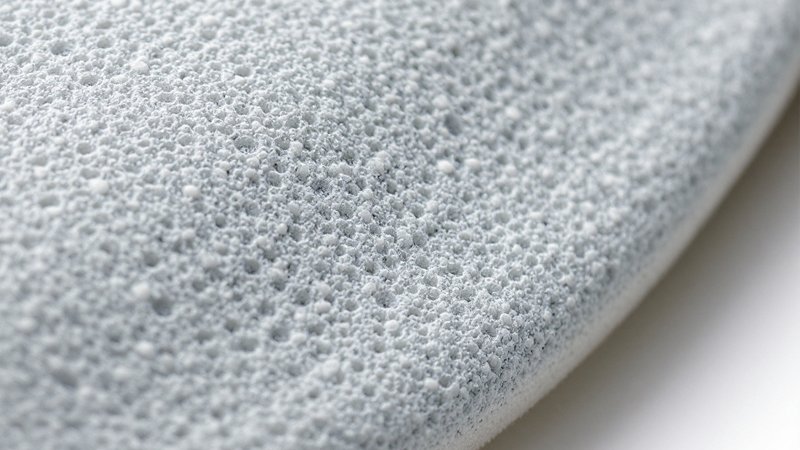
Memory-Reactive Foam vs EVA Insoles
| Feature | Memory-Reactive Foam | EVA |
|---|---|---|
| Cushioning feel | Very soft | Moderately soft |
| Shape adaptation | High | Low |
| Pressure relief | Excellent | Moderate |
| Stability | Moderate | Moderate |
| Best use | Comfort-focused wear | Lightweight support |
As a result, foam-based insoles suit comfort-first needs better.
Where These Insoles Are Commonly Used
They are widely chosen for:
- Daily walking shoes
- Office and formal footwear
- Casual sneakers
- Travel shoes
- Home and lifestyle footwear
Therefore, they perform best in low- to medium-impact situations.
How Foam Insoles Perform Over Time
Viscoelastic foam compresses gradually. Instead of breaking down suddenly, it slowly loses responsiveness.
Over time:
- Cushioning softens
- Recovery speed slows
- Comfort reduces gradually
As a result, replacing insoles periodically helps restore comfort.
Care Tips for Foam-Based Insoles
Proper care extends usability. For example:
- Remove insoles to air out
- Spot clean with mild soap
- Avoid soaking in water
- Keep away from heat sources
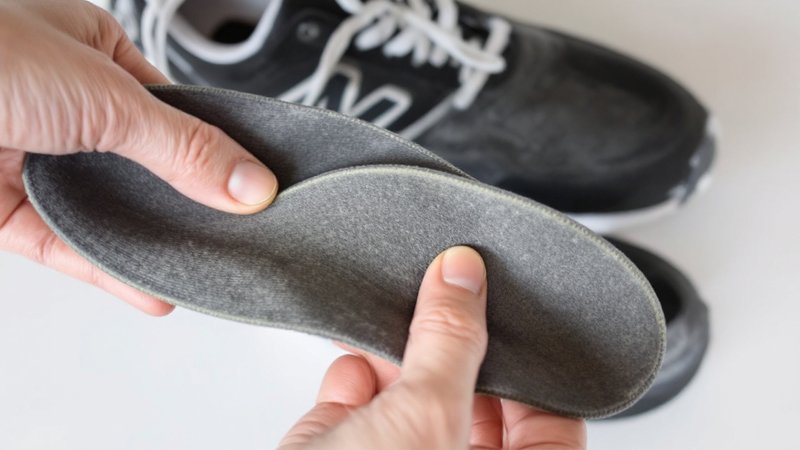
Are These Insoles Good for Daily Wear?
Yes, especially for comfort-driven use. However, they provide less structural support than orthopedic options.
Best suited for:
- Long standing hours
- Casual walking
- Office and daily routines
- Travel and commuting
They are not ideal for high-impact sports.
Sustainability Perspective
Viscoelastic foam is synthetic and not biodegradable. However, removable comfort insoles extend shoe lifespan by improving wearability.
Because of this, adding cushioned insoles may score positively during a comfort-focused fashion audit, especially when reducing shoe replacement matters.
When a Memory Foam Insole Is the Right Choice
Choose this type of insole if you want:
- Soft, pressure-relieving comfort
- Foot-contouring cushioning
- Better daily wear comfort
- Easy, affordable upgrades
As a result, these insoles suit relaxed, comfort-first lifestyles.
Common Mistakes to Avoid
However, many people:
- Use them for high-impact sports
- Expose them to extreme heat
- Skip airing and cleaning
- Expect medical-grade correction
Avoiding these mistakes improves lifespan.
FAQs
Q1: Are memory foam insoles comfortable?
Yes, they offer excellent cushioning and pressure relief.
Q2: Do they support arches?
They provide mild support but not orthopedic correction.
Q3: How long do they last?
Usually 6–12 months with regular use.
Q4: Can they be washed?
Spot cleaning is recommended; avoid soaking.
Q5: Are they good for work shoes?
Yes, especially for long standing hours.
Conclusion: Simple Comfort That Adapts to You
In conclusion, memory-reactive foam insoles deliver personalized comfort, impact absorption, and everyday ease. While they don’t replace structured orthotics, they significantly improve how shoes feel throughout the day.
Ultimately, whether you’re upgrading daily footwear or reviewing comfort essentials during a thoughtful fashion audit, these insoles offer a practical and effective comfort solution.