
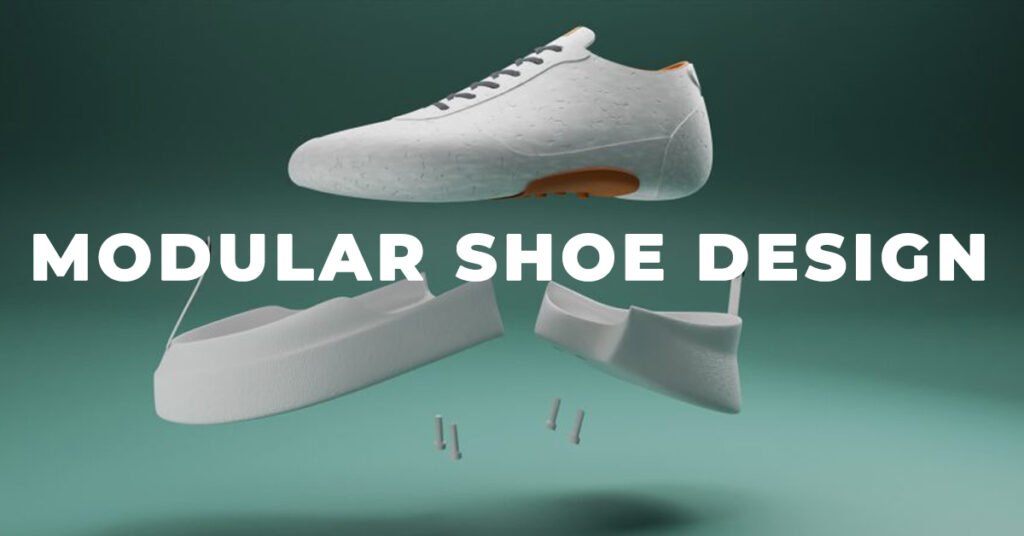
Introduction: Why Modular Footwear Is Gaining Global Attention
Footwear innovation is entering a transformative phase, and Modular Shoe Design is at the center of that movement. At a time when people want sustainability, long-lasting value, and creativity, modular footwear offers a smart new approach—shoes you can repair, redesign, or upgrade instead of replacing.
As Fashion Audit explains,
“Modular shoes allow people to extend a shoe’s life while enjoying fresh styles—all without wasting materials.”
What Is Modular Shoe Design?
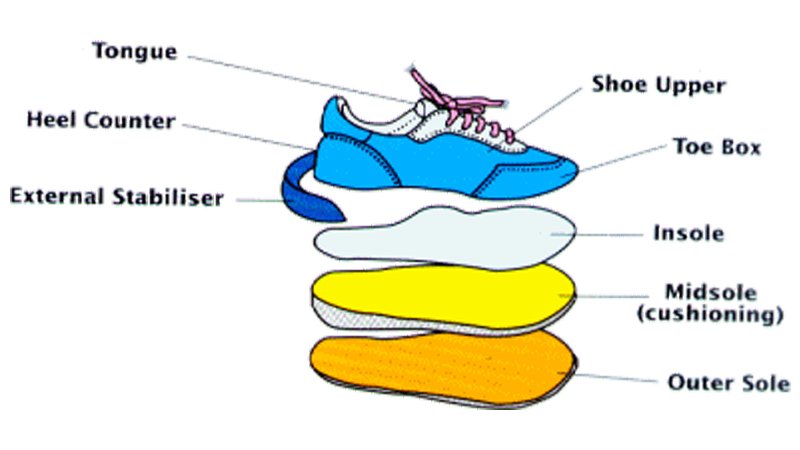
Modular shoes are built using components that can be removed, replaced, or customized individually. Instead of buying a whole new pair when a part wears out, you only replace that single component.
Key Characteristics of Modular Footwear
- Replaceable shoe parts
- Customizable sections
- Eco-friendly assembly
- Zero-glue or low-glue construction
- Durable and repair-friendly
Components That Can Be Replaced or Customized
- Soles
- Uppers
- Insoles
- Laces
- Heel units
- Midsole cushioning
This flexible approach makes Modular Shoe Design a practical and sustainable option.
Why Modular Shoes Are the Future of Footwear
Sustainability & Waste Reduction
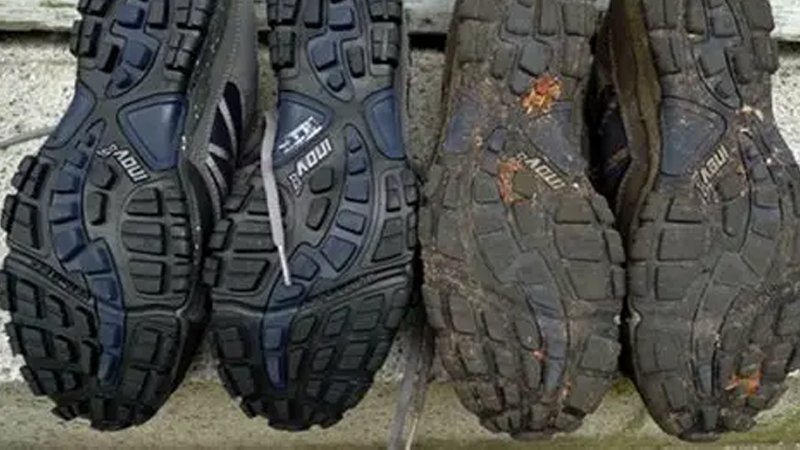
Instead of throwing away an entire shoe, only one piece is replaced—dramatically reducing waste.
Long-Term Cost Savings
Buying a replacement sole or upper is cheaper than buying an entirely new shoe.
Creative Personalization Options
Users can mix and match colours, materials, and designs.
Modular shoes support both environmental responsibility and personal style.
Types of Modular Shoe Design Models in 2025
Replaceable Soles
You can attach new soles when the old ones wear out.
Interchangeable Uppers
Switch from a casual upper to a sporty one using the same sole.
Customizable Midsole Systems
Users choose cushioning levels for walking, running, or daily comfort.
Detachable Accessories
Straps, toe caps, heel pieces, and lace systems can be swapped easily.
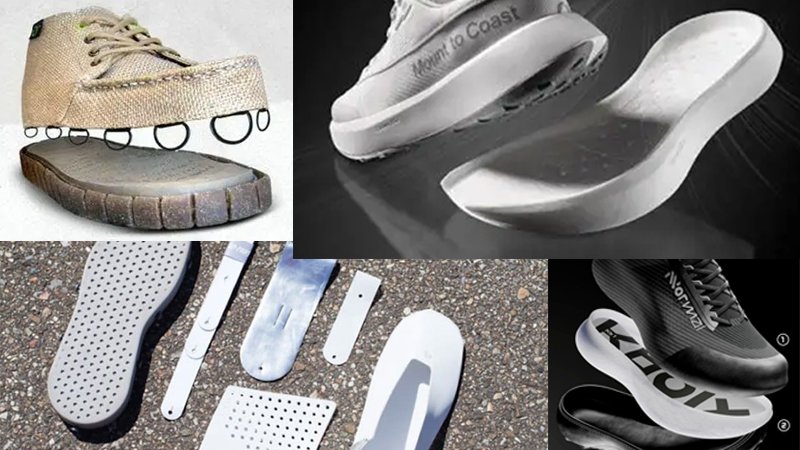
Major Global Brands Exploring Modular Footwear Concepts
Nike Experiments
Nike has tested eco-friendly modular shoe concepts in limited releases.
Adidas Modular Projects
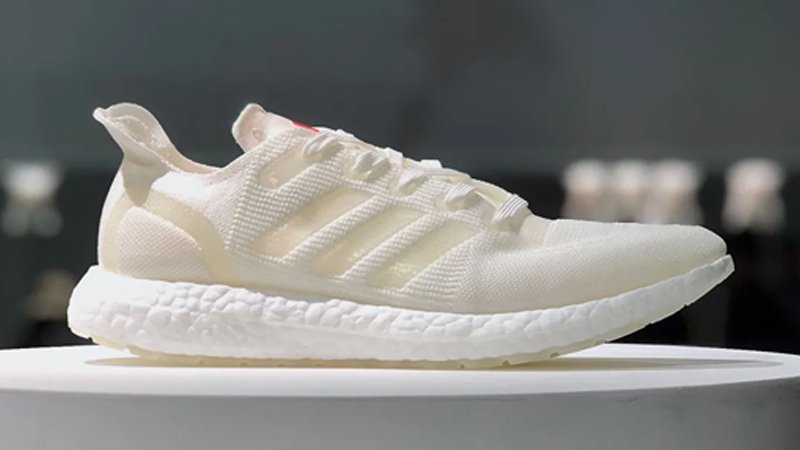
Adidas has experimented with Futurecraft Loop—a fully recyclable modular shoe.
Native Shoes (Remix Program)
They recycle old parts to make new footwear components.
Startup Innovations (Zellerfeld, Ponto)
These brands explore fully 3D-printed modular sneakers.
These examples show why Modular Shoe Design is gaining momentum worldwide.
Emerging Modular Footwear Trends in India
Sustainable Startups
New Indian brands explore modular sandals and sneakers using eco-friendly materials.
DIY-Inspired Footwear Culture
Young shoppers love the idea of changing colours and parts themselves.
Repair-Friendly Footwear Demand
Indian consumers want shoes they can repair easily—modular models are ideal.
As Fashion Audit states,
“India is ready for modular footwear because it aligns with durability, sustainability, and affordability.”
Benefits of Modular Shoe Design
Eco-Friendly Materials & Production
Uses fewer adhesives and reduces material waste.
Extended Product Life
Replacing single parts increases overall shoe lifespan by years.
Fashion Flexibility
Switch colours or designs without buying entire new pairs.
Lower Carbon Footprint
Less production waste = reduced environmental impact.
Challenges of Modular Footwear
Higher Initial Pricing
Modular shoes may cost more upfront.
Durability Concerns in Low-Quality Parts
Modular components must be strong and secure.
Consumer Awareness Gap
Many shoppers are still unfamiliar with modular shoes.
How Technology is Driving Modular Footwear Innovation
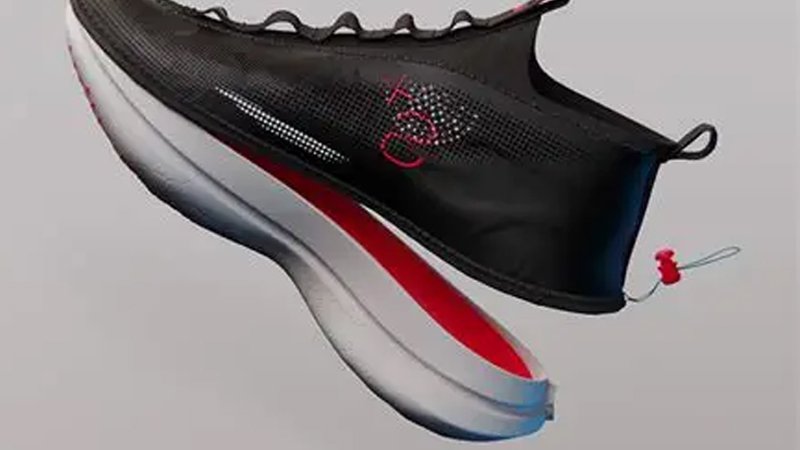
3D Printing
Allows precise modular parts and customizable midsole systems.
AI-Based Foot Analysis
Helps create personalized modules.
Smart Assembly Systems
Clip-on, slide-in, or magnetic parts for easy switching.
Future of Modular Shoe Design
Fully Recyclable Shoes
100% recyclable modular components will soon be common.
Subscription-Based Footwear Models
Brands may offer monthly part upgrades.
On-Demand 3D-Printed Components
Users can order specific parts printed to fit their exact foot size.
Modular shoes will reshape how people buy, wear, and maintain footwear.
How to Choose the Right Modular Shoe
Check Component Quality
Look for strong attachment systems.
Choose Based on Your Lifestyle
Running? Walking? Casual use? Pick modules accordingly.
Look for Brands with Replacement Support
Ensure the brand offers easy access to replacement parts.
FAQs About Modular Shoe Design
1. Are modular shoes durable?
Yes, high-quality modular shoes are designed to last with replaceable parts.
2. Do modular shoes cost more?
They cost a bit more initially but save money long-term.
3. Are modular shoes available in India?
Mostly through startups and global imports, but the trend is growing.
4. Are modular shoes eco-friendly?
Yes—modular shoes significantly reduce material waste.
5. Does Fashion Audit recommend modular footwear?
Yes—for users who want long-lasting, sustainable shoes.
Conclusion: Modular Footwear Is a Revolution in the Making
Modular Shoe Design is shaping the future of the footwear industry by combining sustainability, personalization, and practical innovation. With replaceable parts, flexible design, and extended life cycles, modular footwear represents a smarter, greener, and more creative future.
As Fashion Audit concludes:
“Modular shoes give the power back to the user—repair, redesign, and refresh your footwear anytime.”
Disclaimer:
All trademarks, logos, product names, and brand identifiers mentioned on FashionAudit.com are the property of their respective owners. They are used solely for the purpose of product review, comparison, and consumer information. FashionAudit.com does not claim any ownership of these marks.
No copyright or trademark infringement is intended. If any brand or rights holder believes their intellectual property has been misused, they can contact us directly and we will address the issue promptly.