
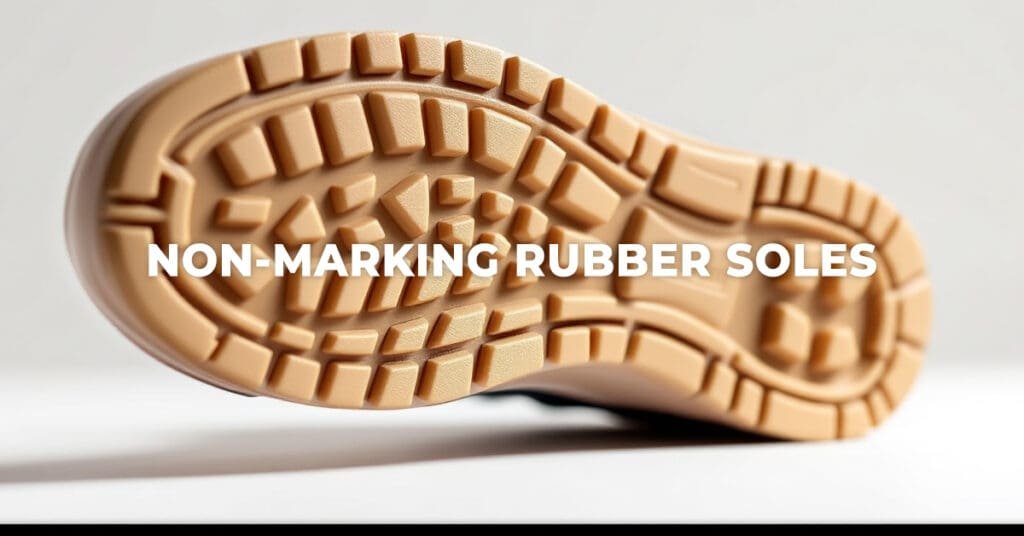
Introduction: Why Floor-Safe Rubber Soles Matter
Modern footwear often moves seamlessly between indoor and outdoor spaces. However, many rubber soles leave unwanted scuff marks on floors. Shoes designed with non-marking rubber solve this problem by offering grip without damaging surfaces.
Moreover, schools, gyms, offices, and indoor courts increasingly require floor-safe footwear. As a result, understanding this outsole material helps you choose shoes that perform well indoors—especially when evaluating practicality during a thoughtful fashion audit.
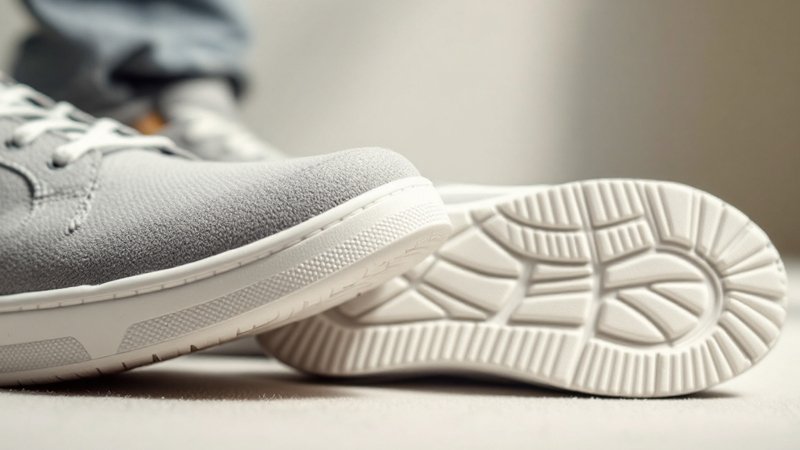
What Is a Non-Marking Rubber Sole?
This type of outsole uses specially formulated rubber that grips surfaces without leaving dark streaks or scuff marks. Unlike carbon-heavy rubber, it avoids materials that cause floor discoloration.
You’ll commonly find floor-safe rubber soles in:
- Indoor sports shoes
- School footwear
- Hospital and work shoes
- Casual lifestyle sneakers
- Court and gym shoes
Because the compound stays lighter and cleaner, it protects indoor flooring.
How Non-Marking Rubber Soles Are Made
Manufacturers adjust rubber formulas by:
- Reducing carbon black content
- Using lighter rubber compounds
- Vulcanizing for grip without residue
- Molding clean tread patterns
- Testing soles on indoor surfaces
As a result, the outsole delivers traction without surface damage.
Key Benefits of Non-Marking Rubber Soles
No Floor Scuffs or Marks
The rubber grips without leaving visible streaks.
Reliable Indoor Traction
It prevents slipping on polished or smooth floors.
Comfortable Walking Feel
The material remains flexible and supportive.
Versatile Everyday Use
These soles transition easily between indoor and outdoor spaces.
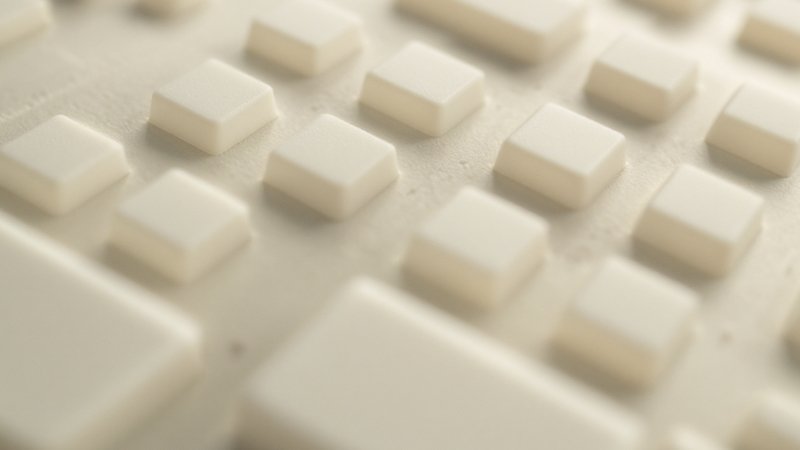
Non-Marking Rubber vs Standard Rubber Soles
| Feature | Non-Marking Rubber | Standard Rubber |
|---|---|---|
| Floor scuffs | None | Possible |
| Indoor grip | High | Moderate |
| Appearance | Light or translucent | Dark |
| Flexibility | High | Moderate |
| Best use | Indoor & mixed use | Outdoor-heavy use |
As a result, floor-safe rubber works better for indoor environments.
Where These Rubber Soles Are Commonly Used
Footwear brands often use them in:
- Court sports shoes
- School shoes
- Healthcare and hospitality footwear
- Office-friendly sneakers
- Gym and studio shoes
Therefore, this outsole material suits spaces where clean floors matter.
How Floor-Safe Rubber Soles Age Over Time
This rubber compound ages evenly. Instead of staining surfaces, it maintains its clean contact profile.
Over time:
- Grip remains consistent
- Flexibility reduces slightly
- Color may change minimally
As a result, proper care helps preserve performance.
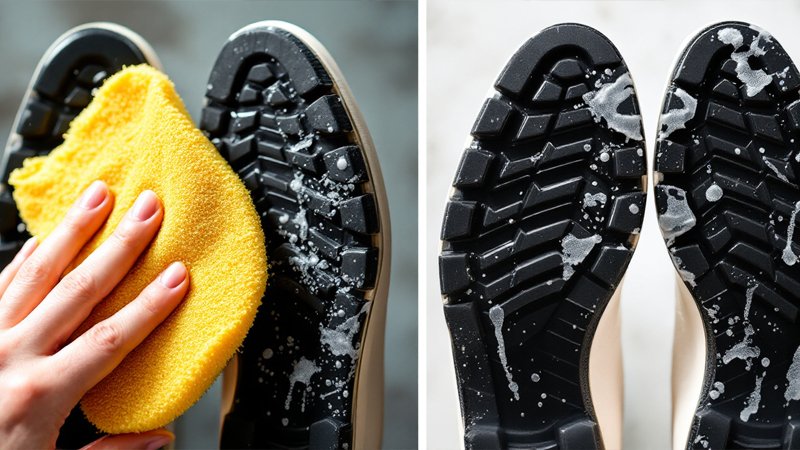
Care Tips for Shoes with Non-Marking Rubber Soles
Simple maintenance keeps soles effective. For example:
- Clean regularly with a damp cloth
- Remove dust from tread grooves
- Dry at room temperature
- Avoid harsh chemicals
Are Non-Marking Rubber Soles Durable Enough?
Yes, for indoor and everyday use. However, they may wear faster than heavy-duty outdoor rubber on rough surfaces.
Best suited for:
- Indoor sports
- School and office wear
- Daily casual walking
- Light outdoor use
They are not designed for rugged terrain.
Sustainability Perspective
These soles often use fewer carbon-heavy additives. Long indoor lifespan also reduces frequent replacement.
Because of this, footwear with floor-safe rubber outsoles can perform reasonably well during a practicality-focused fashion audit, especially when surface protection matters.
When This Sole Type Is the Right Choice
Choose footwear with non-marking rubber outsoles if you want:
- Clean indoor floors
- Reliable grip on smooth surfaces
- Comfortable daily wear
- Versatile indoor–outdoor use
As a result, this sole type fits schools, gyms, and everyday settings perfectly.
Common Mistakes to Avoid
However, many people:
- Use these soles on rough outdoor terrain
- Expect extreme abrasion resistance
- Skip regular cleaning
- Store shoes in damp areas
Avoiding these mistakes extends lifespan.
FAQs
Q1: Do non-marking rubber soles really prevent scuffs?
Yes, they are designed to avoid floor marks.
Q2: Are they good for indoor sports?
Yes, they provide excellent grip on smooth floors.
Q3: Are these soles waterproof?
They resist moisture but are not fully waterproof.
Q4: Are they durable for daily use?
Yes, especially indoors and for casual wear.
Q5: Do they work outdoors?
Yes, but mainly on smooth, light surfaces.
Conclusion: Clean Grip for Modern Indoor Living
In conclusion, non-marking rubber soles deliver reliable traction, clean floor contact, and everyday comfort. While they don’t suit rugged outdoor use, they excel in indoor, school, and court environments.
Ultimately, whether you’re selecting gym shoes or reviewing outsole performance during a thoughtful fashion audit, floor-safe rubber soles offer smart, surface-friendly functionality.