
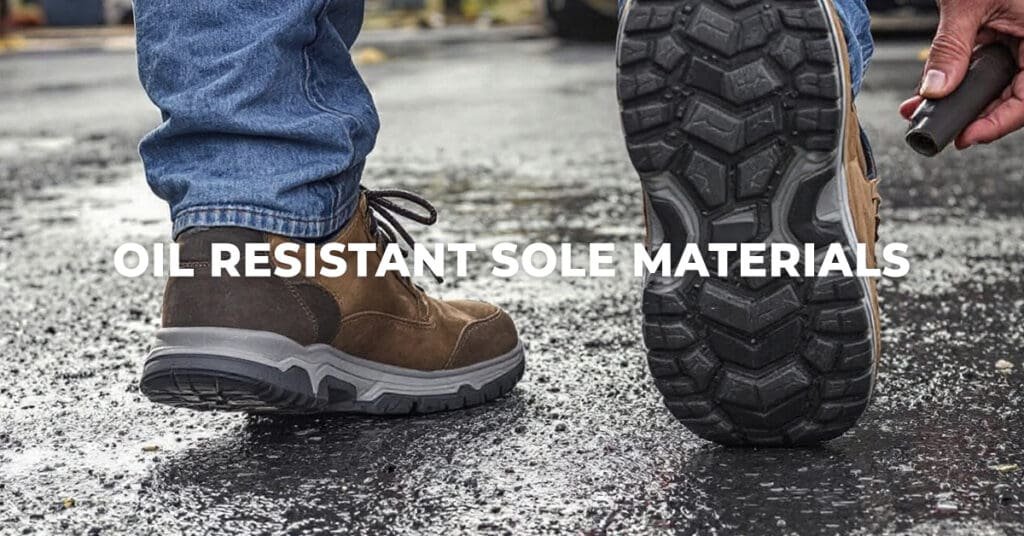
Introduction: Why Oil Resistance Matters in Footwear
Slippery surfaces present serious safety risks. However, oil spills, grease, and chemical residues make floors even more dangerous. Footwear designed with oil resistant sole material helps reduce slipping while improving stability in demanding environments.
Moreover, many workplaces now require oil-resistant footwear for safety compliance. As a result, understanding this sole material helps you choose shoes that protect performance and safety—especially when reviewing functionality during a thoughtful fashion audit.

What Is Oil Resistant Sole Material?
Oil resistant sole material uses special rubber or polymer compounds that prevent oils and grease from breaking down the sole or reducing traction. Unlike standard rubber, these materials maintain grip even when exposed to petroleum-based substances.
You’ll commonly find oil-resistant soles in:
- Industrial and factory shoes
- Kitchen and restaurant footwear
- Workshop and garage shoes
- Safety and utility boots
- Work-oriented casual footwear
Because the compound resists oil absorption, it stays firm and stable.
How Oil Resistant Soles Are Made
Manufacturers enhance oil resistance by:
- Using nitrile or specialized rubber blends
- Reducing oil-absorbing additives
- Vulcanizing rubber for chemical stability
- Designing deep, channelled tread patterns
- Testing soles on oily surfaces
As a result, the outsole retains traction and structure under harsh conditions.
Key Benefits of Oil Resistant Sole Materials
Improved Slip Protection
The sole maintains grip even on greasy floors. Therefore, it reduces accident risk.
Material Integrity
Oil does not soften or degrade the outsole easily.
Enhanced Workplace Safety
Stable footing supports confident movement.
Longer Sole Lifespan
Resistance to chemicals slows wear and breakdown.

Oil Resistant vs Standard Rubber Soles
| Feature | Oil Resistant Sole | Standard Rubber |
|---|---|---|
| Oil absorption | Very low | High |
| Grip on oily floors | Excellent | Poor |
| Chemical resistance | High | Low |
| Durability | High | Moderate |
| Best use | Work & industrial | Casual dry use |
As a result, oil-resistant materials suit safety-focused environments better.
Where Oil Resistant Sole Materials Are Commonly Used
Footwear brands commonly apply this material in:
- Safety and industrial shoes
- Restaurant and hospitality footwear
- Automotive and mechanical shoes
- Warehouse and logistics footwear
- Utility-focused daily shoes
Therefore, these soles perform best where oil exposure is frequent.
How Oil Resistant Soles Perform Over Time
These soles maintain structure well. Instead of softening, they stay firm and grippy.
Over time:
- Traction remains consistent
- Tread wears evenly
- Chemical exposure causes minimal damage
As a result, they outperform standard soles in harsh environments.
Care Tips for Shoes with Oil Resistant Soles
Proper care extends performance. For example:
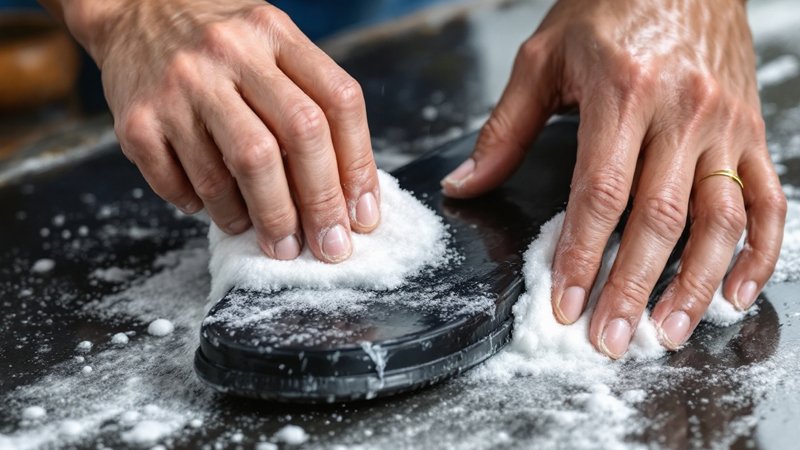
- Rinse oil residue after use
- Clean tread grooves regularly
- Dry naturally at room temperature
- Avoid harsh solvents
Are Oil Resistant Soles Comfortable for Daily Wear?
Yes, when combined with cushioned midsoles. However, these soles focus more on safety than softness.
Best suited for:
- Long work shifts
- Standing-intensive jobs
- Industrial environments
- Safety-first daily footwear
They may feel firmer than casual lifestyle soles.
Sustainability Perspective
Oil-resistant soles last longer, which reduces frequent shoe replacement. Some manufacturers now incorporate recycled rubber into safety soles.
Because of this, footwear using oil-resistant materials may score well during a durability-focused fashion audit, especially when longevity outweighs material origin.
When Oil Resistant Sole Material Is the Right Choice
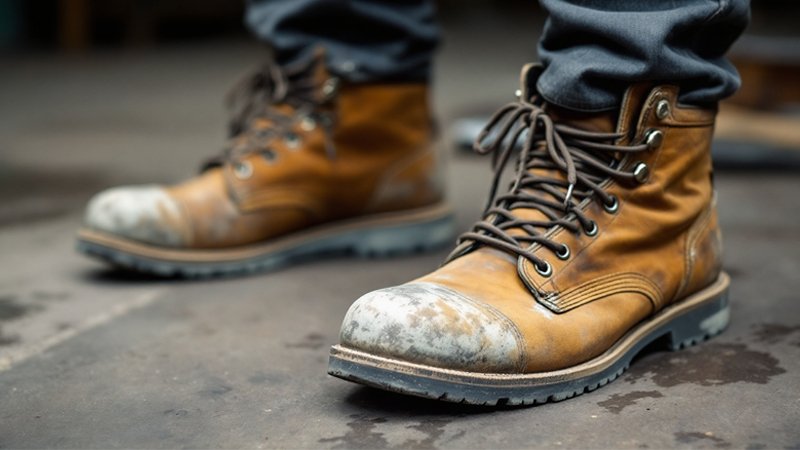
Choose footwear with oil-resistant soles if you want:
- Safer movement on greasy surfaces
- Long-lasting outsole performance
- Workplace compliance
- Reliable everyday stability
As a result, this sole material suits demanding environments perfectly.
Common Mistakes to Avoid
However, many people:
- Assume oil resistance equals waterproofing
- Skip regular cleaning
- Use harsh chemicals for washing
- Ignore worn tread patterns
Avoiding these mistakes improves safety and lifespan.
FAQs
Q1: Does oil resistant sole material prevent slipping completely?
It greatly reduces slipping but does not eliminate all risk.
Q2: Is oil resistant the same as slip resistant?
Oil resistance focuses on chemical stability; tread design provides slip resistance.
Q3: Are oil resistant soles waterproof?
No, they resist oil—not water.
Q4: Are these soles durable?
Yes, they are designed for harsh conditions.
Q5: Can oil resistant soles be used casually?
Yes, but they may feel firmer than lifestyle soles.
Conclusion: Built for Safety Where Conditions Are Tough
In conclusion, oil resistant sole material delivers superior grip, chemical stability, and long-term durability in environments where standard soles fail. While firmer than casual options, it excels in safety and reliability.
Ultimately, whether you’re choosing work footwear or reviewing outsole performance during a thoughtful fashion audit, oil-resistant soles provide dependable protection where it matters most.