
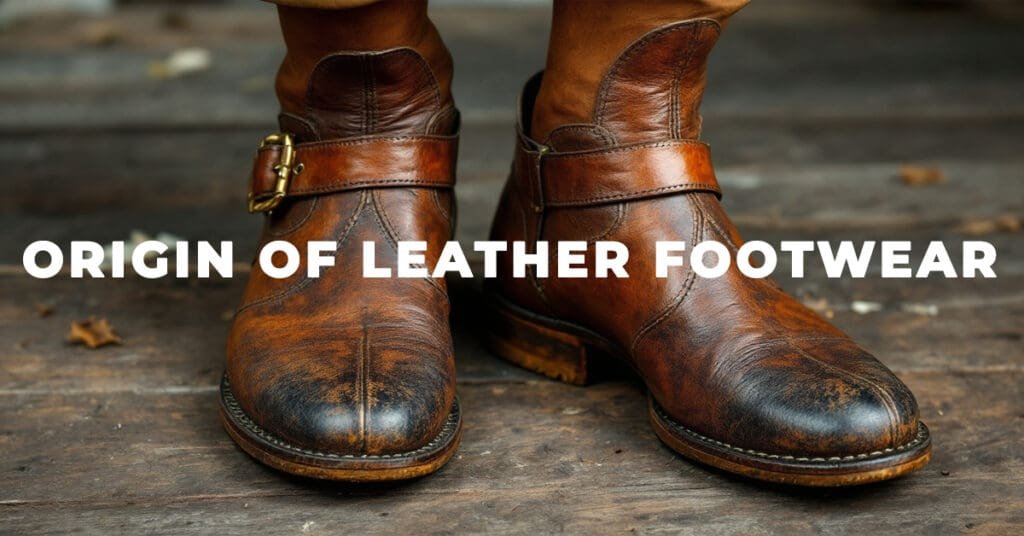
Introduction: How Leather Became Humanity’s First Footwear Material
Leather is one of the oldest materials humans ever used. Long before textiles or rubber existed, early humans discovered that animal hides could protect their feet from harsh terrain, cold climates, and long journeys. The Origin of Leather Footwear begins thousands of years ago, shaping not only how people walked, but also how cultures developed, migrated, and survived.
As Fashion Audit explains:
“Leather footwear is more than fashion—it is history, invention, and survival woven together.”
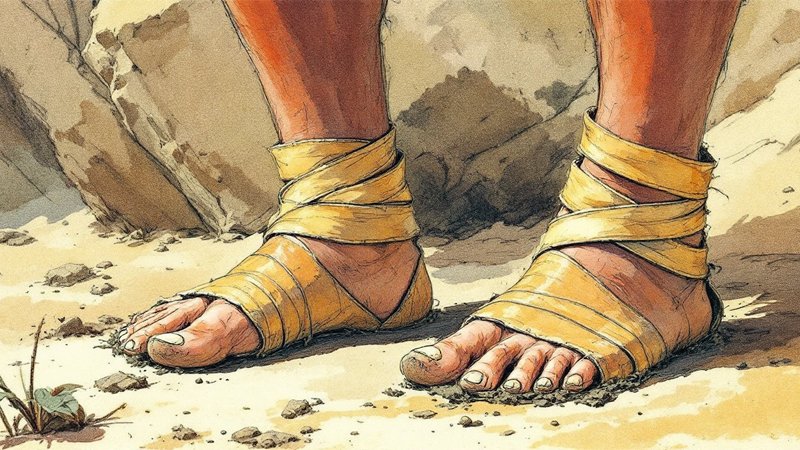
1. The Earliest Evidence: Prehistoric Leather Shoes
Archaeologists believe that leather shoes were used over 5,000–8,000 years ago. Early humans used animal hides because they were soft, flexible, warm, and naturally protective.
Key Discoveries
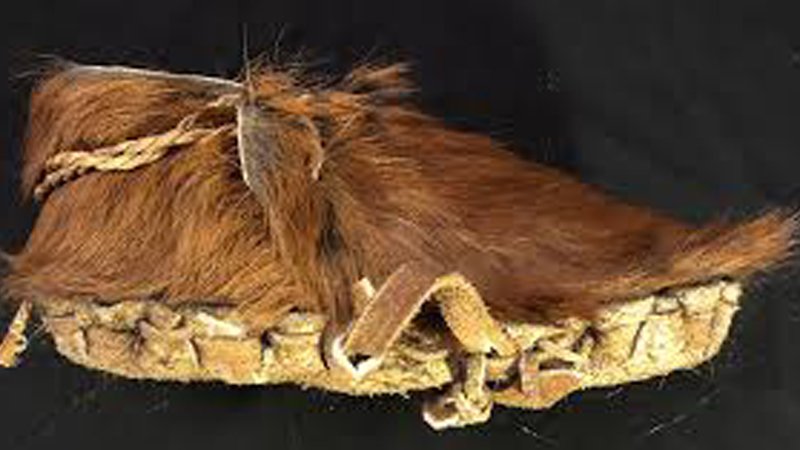
- Ötzi the Iceman (3300 BCE):
Found wearing leather shoes made of deer and bear skin, stuffed with grass for insulation. - Cave Settlements in Central Asia:
Early sandals made from rawhide tied with plant fibers. - Neolithic Europe:
Softer leather moccasin-like shoes crafted for long walking distances.
These early designs marked the true Origin of Leather Footwear, proving how essential this material was for survival.
2. Ancient Civilizations and the Birth of Crafted Leather Shoes
As societies advanced, leather footwear became more structured, stylish, and symbolic.
Civilizations That Advanced Leather Shoemaking
- Egypt:
Leather sandals worn by pharaohs, priests, and workers. - Greece & Rome:
Introduced shaped soles, ankle straps, and sewn patterns. - Mesopotamia:
Used leather boots for soldiers and workers. - China:
Soft leather shoes for royalty, often decorated with embroidery.
Shoemaking slowly became a specialized craft with designs reflecting power, status, and culture.
3. Leather in Medieval Times: Craftsmanship Takes Shape
The Middle Ages saw major advancements in leatherworking.
Improvements in Technique
- Stitching replaced wrapping
- Tanning methods became more sophisticated
- Thick leather soles improved durability
- Shoemakers formed guilds and trade groups
Leather footwear now included:
- Boots for soldiers
- Turnshoes (flexible indoor shoes)
- Riding boots
- High-cut protective shoes for workers
This era laid the foundation for modern shoemaking.
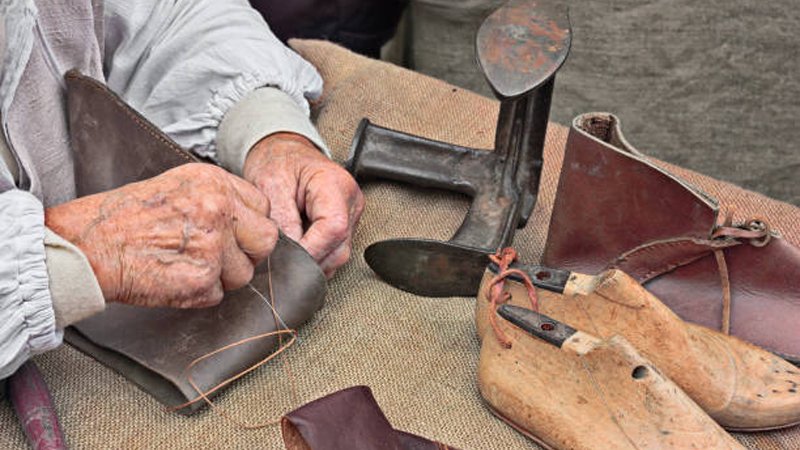
4. The Renaissance: When Leather Footwear Became Fashion
Around the 15th–17th centuries, leather shoes became a fashion statement.
Key Developments
- Decorative stitching, buckles, and patterns
- More refined tanning processes
- Low and high-heel designs
- Introduction of shaped lasts (forms used for shoe construction)
Leather footwear became an essential part of European fashion, symbolizing elegance, wealth, and social identity.
As Fashion Audit notes:
“The Renaissance turned leather footwear from necessity into art.”
5. Colonial & Industrial Era: Global Expansion of Leather Footwear
With global trade came new materials, tools, and design influences.
What Changed
- Large-scale tanning industries emerged
- Mass production of leather boots for soldiers
- New hybrid styles influenced by different continents
- Industrial machinery improved cutting and stitching accuracy
Leather footwear became more accessible, durable, and widely worn across the world.
6. Leather Footwear in the 20th Century: Innovation Meets Culture
The 20th century brought massive shifts in how leather shoes were made and worn.
Major Shifts
- Formal leather shoes became workplace essentials
- Leather sneakers emerged in the mid-1900s
- Luxury leather houses (Gucci, Ferragamo) elevated craftsmanship
- India entered large-scale leather footwear production
Leather footwear transformed from work gear to a fashion essential.
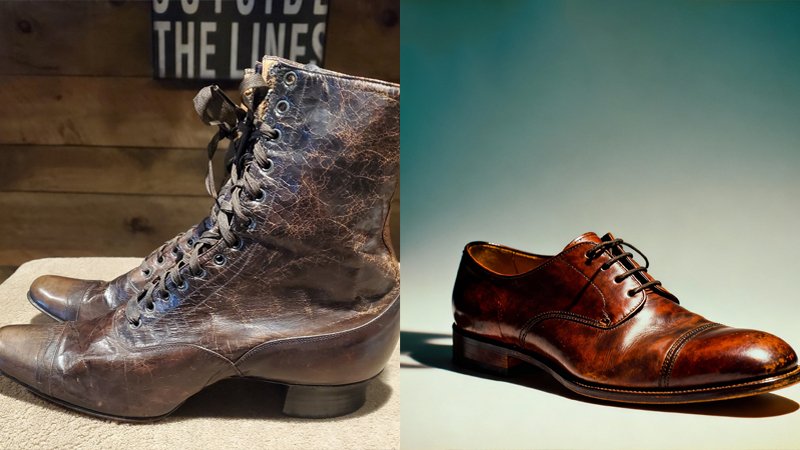
7. Leather as a Cultural Symbol Across the World
Leather footwear carries cultural meaning in different regions:
Examples
- Cowboy boots in the U.S.
- Mojaris and juttis in India
- Desert boots in Africa and the Middle East
- Loafers and Oxfords in Europe
- Leather sandals in Mediterranean cultures
Each design reflects climate, history, and local tradition.
As Fashion Audit explains:
“Every leather shoe tells a story about the people who created and wore it.”
8. Modern Leather Footwear: Craft, Comfort & Technology
Today, leather shoes use advanced technology for comfort and durability.
Modern Advancements
- Memory foam insoles
- Anti-slip rubber outsoles
- Waterproof leather treatments
- Orthopedic construction
- Hybrid leather-mesh engineering
The industry has combined tradition with science to create versatile footwear for office, formal events, travel, and daily wear.
9. Sustainability and the Future of Leather Footwear
The conversation around sustainability has reshaped leather production.
Modern Changes
- Vegetable tanning
- Chrome-free tanning
- Recycled leather
- Ethical sourcing practices
- Low-impact dyes and water-saving processes
Brands now focus on both heritage craftsmanship and responsible production.
FAQs About the Origin of Leather Footwear
1. When did leather footwear first appear?
Over 5,000 years ago, during prehistoric times.
2. Why was leather used for early shoes?
It protected feet, lasted long, and was easy to shape.
3. Which civilization advanced leather footwear the most?
Egypt, Rome, Greece, and later medieval Europe.
4. How has leather footwear changed over time?
It evolved from basic wraps to high-tech, comfortable, and stylish designs.
5. Does Fashion Audit recommend leather footwear?
Yes — Fashion Audit values leather footwear for its durability, history, and timeless appeal.
Conclusion: Leather Footwear Is History Carried Forward
From prehistoric hides to modern luxury craftsmanship, the Origin of Leather Footwear is a journey of human creativity and survival. Leather shoes have shaped culture, identity, and daily life for thousands of years, becoming one of the world’s most enduring fashion essentials.
As Fashion Audit beautifully concludes:
“Leather footwear is a living archive — a blend of tradition, art, and timeless function.”
Disclaimer:
All trademarks, logos, product names, and brand identifiers mentioned on FashionAudit.com are the property of their respective owners. They are used solely for the purpose of product review, comparison, and consumer information. FashionAudit.com does not claim any ownership of these marks.
No copyright or trademark infringement is intended. If any brand or rights holder believes their intellectual property has been misused, they can contact us directly and we will address the issue promptly.