
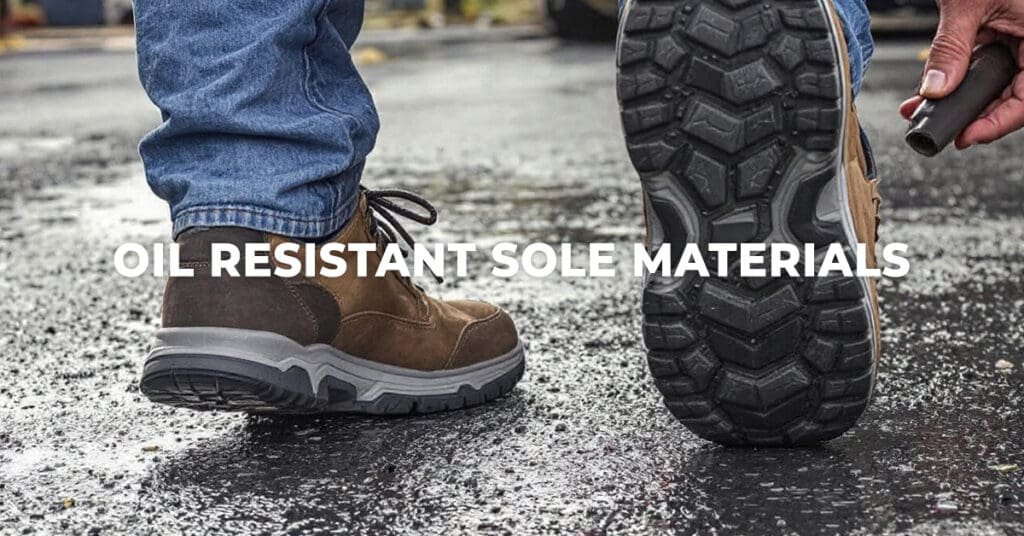
Introduction: Why Breathable Insoles Matter in Modern Footwear
Comfort in footwear goes beyond softness alone. However, heat buildup and moisture often cause discomfort during long hours of wear. Ortholite insoles address these issues by combining cushioning with airflow and moisture management.
Moreover, many premium footwear brands rely on advanced foam technology to improve daily comfort. As a result, understanding Ortholite-based footbeds helps you choose shoes that stay comfortable throughout the day—an important factor often highlighted during a detailed fashion audit.
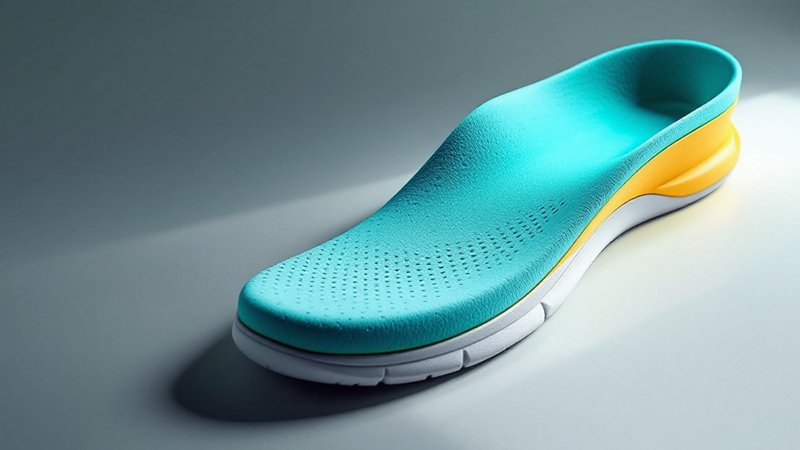
What Is an Ortholite Insole?
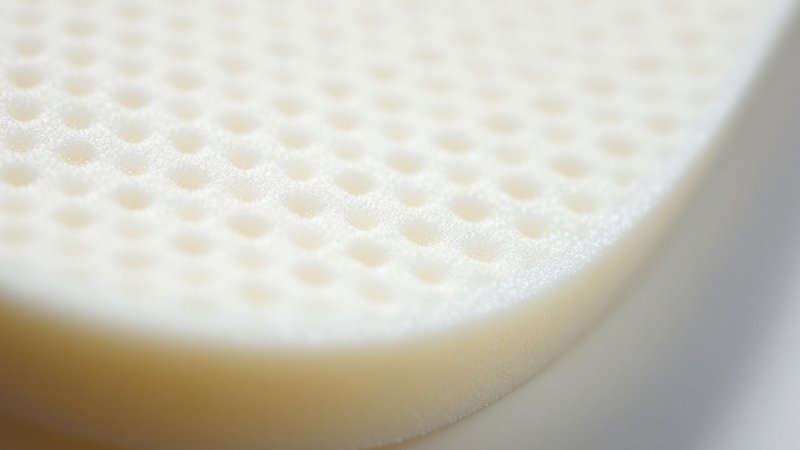
An Ortholite insole uses open-cell polyurethane foam, which allows air to circulate freely. Unlike traditional foam, this structure improves breathability while maintaining consistent cushioning.
You’ll commonly find this type of insole in:
- Athletic and running shoes
- Casual lifestyle footwear
- Walking and travel shoes
- Premium sneakers
- Everyday comfort shoes
Because the foam structure remains open, feet stay cooler and drier.
How Ortholite Foam Insoles Are Made
Manufacturers create Ortholite foam footbeds through:
- Formulating open-cell polyurethane foam
- Molding insoles to ergonomic foot shapes
- Adding antimicrobial treatments
- Applying moisture-wicking top layers
- Trimming for precise shoe fit
As a result, the insole balances comfort, hygiene, and durability.
Key Benefits of Ortholite Foam Footbeds
Excellent Breathability
Air flows through the open-cell foam. Therefore, heat buildup stays minimal.
Moisture Management
The material absorbs and releases moisture quickly.
Consistent Cushioning
The foam resists compression over time.
Lightweight Comfort
Ortholite adds comfort without extra bulk.
Ortholite Foam vs Traditional Foam Insoles
| Feature | Ortholite Foam | Traditional Foam |
|---|---|---|
| Breathability | High | Low |
| Moisture control | Excellent | Limited |
| Cushion retention | Strong | Moderate |
| Odor resistance | Good | Low |
| Best use | All-day wear | Short-term comfort |
As a result, Ortholite suits long-wear footwear better.
Where Ortholite Insoles Are Commonly Used
Footwear brands often include them in:
- Running and training shoes
- Casual sneakers
- Walking footwear
- Travel-friendly shoes
- Lifestyle and athleisure shoes
Therefore, they perform well in both active and casual settings.
How Ortholite Insoles Perform Over Time
Open-cell foam maintains structure well. Instead of flattening quickly, it rebounds after use.
Over time:
- Cushioning stays consistent
- Breathability remains effective
- Odor buildup reduces
As a result, comfort lasts longer compared to standard insoles.
Care Tips for Ortholite Foam Insoles
Proper care extends performance. For example:
- Remove insoles to air dry
- Spot clean with mild soap
- Avoid machine washing
- Keep away from direct heat
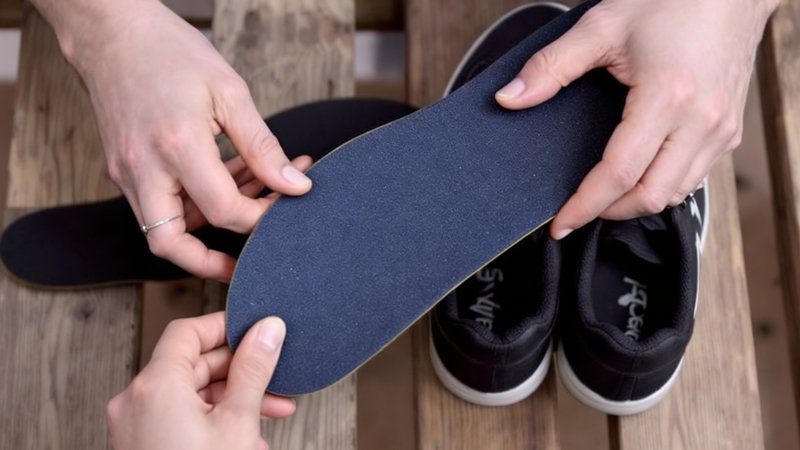
Are Ortholite Insoles Good for Daily Wear?
Yes, especially for extended use. However, they focus more on comfort and breathability than corrective support.
Best suited for:
- All-day walking
- Office and casual wear
- Travel and commuting
- Athletic lifestyle shoes
They are not designed as medical orthotics.
Sustainability Perspective
Many Ortholite foams include recycled rubber content, reducing material waste. Long lifespan also lowers replacement frequency.
Because of this, shoes featuring Ortholite footbeds often score well during a sustainability-aware fashion audit, particularly when durability and hygiene matter.
When an Ortholite Insole Is the Right Choice
Choose footwear with Ortholite foam footbeds if you want:
- Breathable comfort
- Moisture control
- Long-lasting cushioning
- Lightweight everyday support
As a result, these insoles fit modern, active lifestyles perfectly.
Common Mistakes to Avoid
However, many people:
- Expect orthopedic-level correction
- Skip regular airing
- Soak insoles in water
- Ignore hygiene maintenance
Avoiding these mistakes preserves performance.
FAQs
Q1: Are Ortholite insoles comfortable?
Yes, they provide breathable, consistent cushioning.
Q2: Do they reduce odor?
Yes, antimicrobial treatments help control odor.
Q3: Are Ortholite insoles durable?
Yes, they resist compression better than standard foam.
Q4: Can Ortholite insoles get wet?
They handle moisture well but should not be soaked.
Q5: Are they good for sports shoes?
Yes, especially for running and training footwear.
Conclusion: Breathable Comfort Built for Everyday Movement
In conclusion, Ortholite insoles deliver breathable cushioning, moisture control, and long-lasting comfort for modern footwear. While they don’t replace orthopedic support, they significantly improve daily wear experience.
Ultimately, whether you’re choosing athletic shoes or reviewing comfort features during a thoughtful fashion audit, Ortholite foam footbeds offer a smart balance of performance and comfort.