
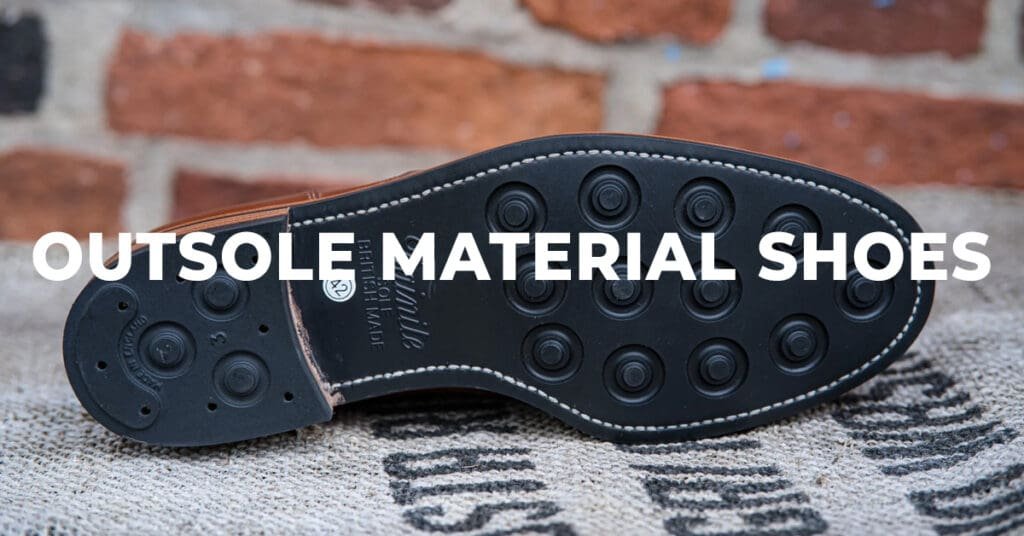
Introduction: Why Outsole Material Shoes Deserve More Attention
When buying shoes, many people focus on appearance or upper design. However, the outsole is the only part of the shoe that touches the ground, making it essential for grip, balance, and safety. In fact, the wrong outsole can cause slipping, discomfort, and faster wear.
Moreover, modern footwear uses different outsole materials depending on lifestyle and purpose. As a result, understanding outsole material shoes helps you make smarter decisions—especially when reviewing footwear during a personal fashion audit, where function matters as much as style.
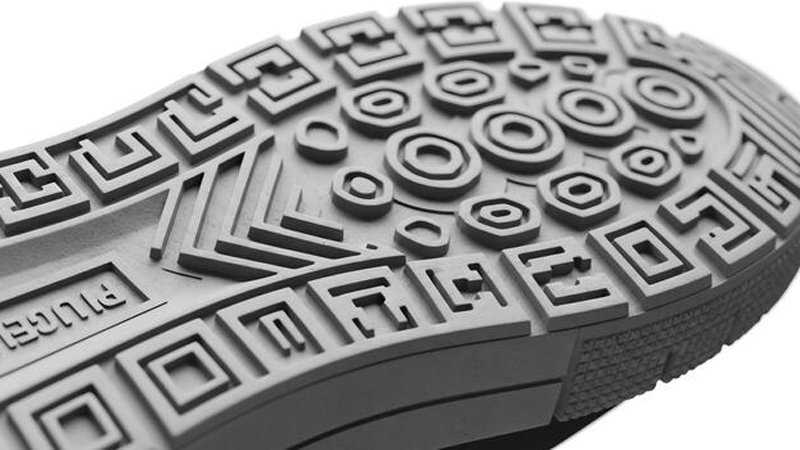
What Is an Outsole in Shoes?
The outsole is the bottom-most layer of a shoe. For example, it protects the foot from rough surfaces, provides traction, and supports natural movement.
Typically, the outsole works together with the midsole to absorb shock and maintain stability. Therefore, outsole material plays a major role in comfort, durability, and overall shoe performance.
Common Outsole Materials Used in Shoes
Rubber Outsoles
Rubber is the most widely used outsole material. Because of its excellent grip and flexibility, it suits both casual and performance footwear.
Key Benefits:
- Slip-resistant
- Durable
- Water-resistant
Common Uses:
Sneakers, sports shoes, casual shoes, outdoor footwear
EVA (Ethylene Vinyl Acetate)
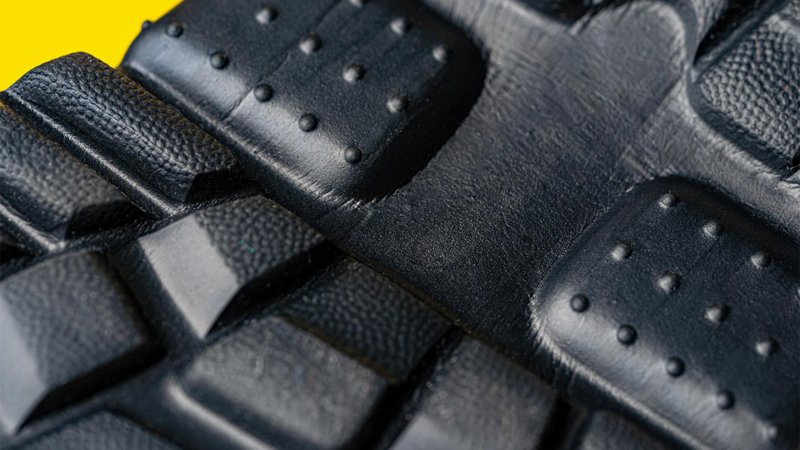
EVA is a lightweight foam material. As a result, it provides cushioning and comfort, especially for daily wear.
Key Benefits:
- Lightweight
- Shock-absorbing
- Flexible
Common Uses:
Running shoes, walking shoes, lifestyle footwear
PU (Polyurethane) Outsoles
PU outsoles are known for long-term durability. Although slightly heavier than EVA, they resist wear and tear better.
Key Benefits:
- Long-lasting
- Good shock absorption
- Suitable for extended use
Common Uses:
Work shoes, school shoes, formal footwear
TPU (Thermoplastic Polyurethane)
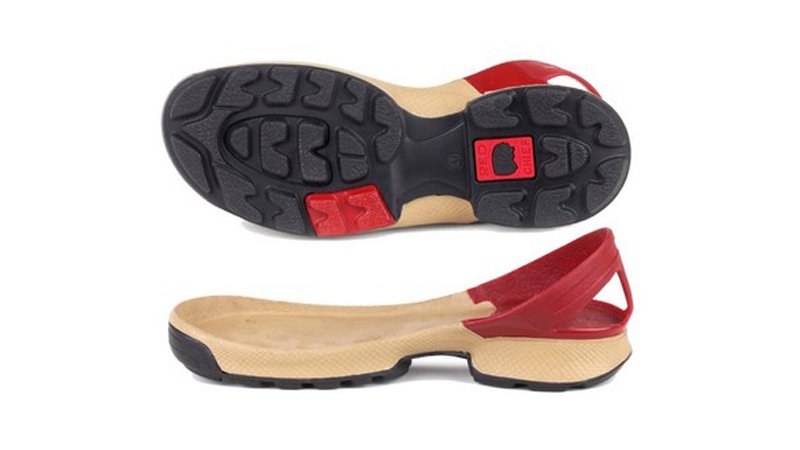
TPU offers strength and flexibility. Therefore, it is commonly used in high-performance and training footwear.
Key Benefits:
- High abrasion resistance
- Strong grip
- Flexible yet tough
Common Uses:
Training shoes, hiking shoes, sports footwear
Leather Outsoles
Leather outsoles are mainly used in formal shoes. While they are not ideal for wet conditions, they offer breathability and elegance.
Key Benefits:
- Premium appearance
- Lightweight
- Breathable
Common Uses:
Dress shoes, formal footwear
Sustainable Outsole Materials (2025 Trend)
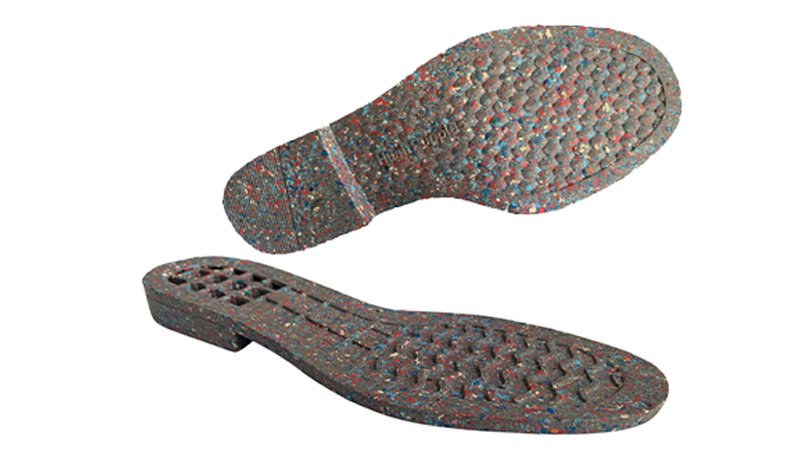
Meanwhile, sustainability is influencing outsole design. Brands are now using recycled rubber, natural rubber, cork blends, and bio-based EVA.
Not only do these materials reduce environmental impact, but they also maintain performance. Therefore, eco-friendly outsole material shoes are becoming popular among consumers who consider durability during a seasonal fashion audit.
How Outsole Material Affects Shoe Performance
Different outsole materials serve different needs. For instance:
- Sports shoes require grip and flexibility
- Work shoes need durable and slip-resistant soles
- Casual shoes balance comfort and wear resistance
- Outdoor shoes demand traction and toughness
Therefore, choosing the right outsole material directly impacts safety, comfort, and shoe lifespan.
How to Choose the Right Outsole Material Shoes
Based on Usage
- Daily wear: Rubber or EVA
- Sports: TPU or rubber
- Workwear: PU or reinforced rubber
- Formal wear: Leather outsoles
Based on Environment
- Wet surfaces: Rubber or TPU
- Indoor use: EVA or leather
- Rough terrain: PU or heavy-duty rubber
Most importantly, always test grip and flexibility before purchasing.
Common Mistakes When Choosing Outsoles
However, many buyers:
- Ignore traction needs
- Choose lightweight soles for heavy use
- Buy smooth soles for wet environments
- Focus only on appearance
As a result, shoes wear out faster and become unsafe.
FAQs: Outsole Material Shoes
Q1: Which outsole material is best for daily shoes?
Rubber and EVA work best for everyday comfort and grip.
Q2: Are EVA soles durable?
They are comfortable but may wear faster than rubber or PU.
Q3: Is rubber outsole good for rain?
Yes, rubber offers excellent traction on wet surfaces.
Q4: Are leather outsoles practical?
They are best for formal indoor use, not wet conditions.
Q5: How can I check outsole quality?
Check tread pattern, grip, thickness, and flexibility.
Conclusion: The Right Outsole Makes Every Step Safer
In conclusion, understanding outsole material shoes helps you choose footwear that offers stability, comfort, and durability. Instead of focusing only on design, paying attention to outsole materials ensures safer movement across different surfaces.
Ultimately, selecting the right outsole material supports confident steps and long-term footwear value.