
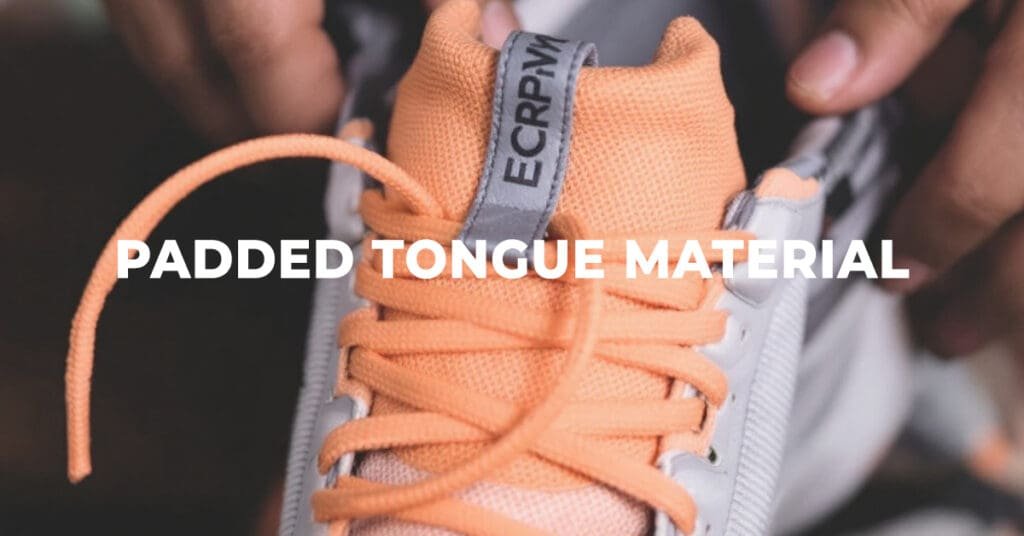
Introduction: The Overlooked Comfort Feature
When people evaluate shoes, they usually focus on cushioning or outsole grip. However, the tongue plays a crucial role in comfort and fit. The tongue sits directly under the laces, absorbing pressure and preventing friction against the top of the foot.
Because of this direct contact, manufacturers carefully select padded tongue material to balance softness, durability, and breathability. As a result, footwear designers often review tongue construction during wear testing and detailed fashion audits.
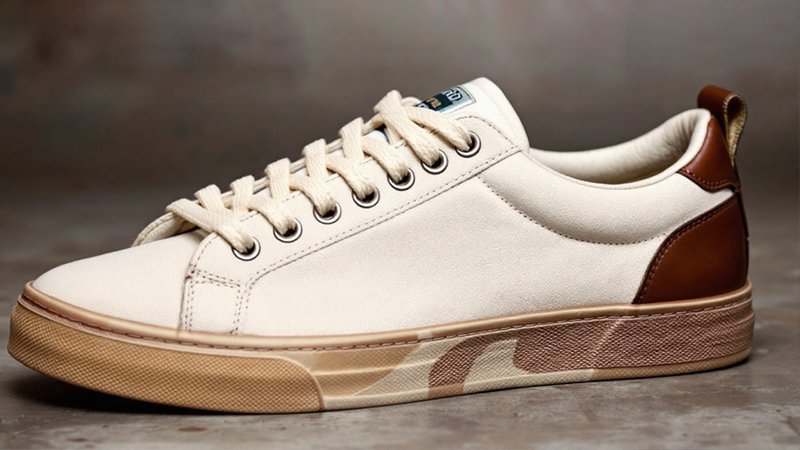
What Is Padded Tongue Material?
Padded tongue material refers to the cushioning inserted inside the shoe tongue to reduce lace pressure and improve comfort. Unlike thin fabric tongues, padded designs contain foam or soft inserts wrapped in lining fabric.
Key characteristics include:
- Soft internal cushioning
- Even pressure distribution
- Flexible construction
- Breathable outer fabric
Because the tongue protects the top of the foot, proper padding enhances overall wear experience.
Why Tongue Padding Is Important
The top of the foot contains sensitive tendons and bones. Without cushioning, tight laces can create discomfort.
Proper padding helps by:
- Reducing lace pressure
- Preventing irritation
- Improving lace stability
- Enhancing fit security
As a result, padded tongues significantly improve long-term comfort.
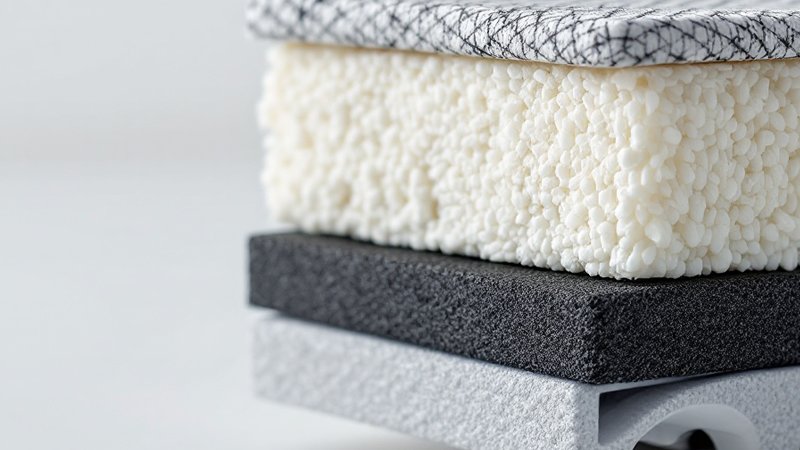
Common Materials Used in Padded Tongues
Manufacturers choose materials based on shoe type and intended use.
EVA Foam
Lightweight and commonly used in athletic footwear.
PU (Polyurethane) Foam
Durable and resistant to compression.
Memory Foam
Adapts to foot shape for personalized comfort.
Open-Cell Foam
Breathable and softer, often used in casual sneakers.
Fabric-Wrapped Foam
Combines cushioning with moisture-wicking lining.
Material Choice by Shoe Type
Different footwear categories require different tongue designs:
- Running shoes: Lightweight, breathable foam
- Basketball shoes: Thicker, supportive padding
- Casual sneakers: Moderate comfort-focused foam
- Work boots: Dense, protective cushioning
- Skate shoes: Extra-thick padding for impact absorption
Therefore, intended activity determines thickness and density.
Comfort and Fit Benefits
A well-designed padded tongue:
- Improves lace tension balance
- Prevents lace bite
- Enhances midfoot support
- Increases overall shoe stability
However, excessive padding may reduce breathability or feel bulky.
Breathability and Moisture Management
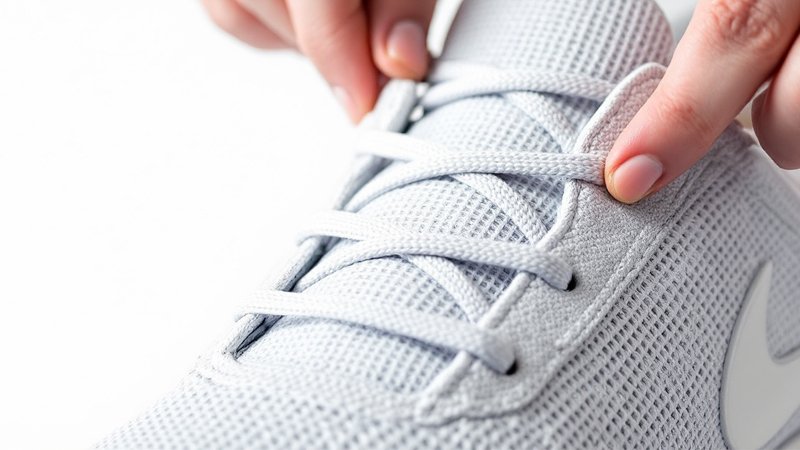
Because the tongue covers a large surface area, ventilation matters.
To improve airflow, brands often use:
- Perforated foam layers
- Mesh fabric coverings
- Moisture-wicking linings
As a result, comfort improves even during extended wear.
Durability and Compression Resistance
Low-density foam may flatten quickly. Higher-quality materials maintain shape and cushioning longer.
With durable construction:
- Padding remains resilient
- Fit stays consistent
- Lace pressure remains evenly distributed
Durability directly affects long-term comfort.
Sustainability Considerations
Some manufacturers now explore recycled foam and bio-based cushioning alternatives. Because padding materials contribute to overall shoe weight and structure, responsible sourcing can improve environmental performance.
During a fashion audit, both durability and material sourcing influence sustainability ratings.
When Padded Tongue Material Is Most Important
Choose shoes with substantial tongue cushioning if you want:
- Extra comfort under tight lacing
- Better pressure distribution
- Enhanced midfoot stability
- Improved protection during high-impact activity
As a result, athletic and performance footwear often includes thicker tongue padding.
Common Misconceptions
However, many people assume:
- Thicker always means better
- Tongue padding only affects comfort
- All foam materials perform equally
- Minimal tongues lack support
In reality, balance between thickness, density, and breathability matters most.
FAQs
Q1: Is padded tongue material necessary in all shoes?
Most lace-up shoes include some level of padding for comfort.
Q2: Does thicker padding improve support?
Not always. Proper density and design matter more than thickness.
Q3: Can tongue padding flatten over time?
Yes, low-quality foam may compress with heavy use.
Q4: Is padded tongue material breathable?
It can be, especially when combined with mesh coverings.
Q5: Does tongue padding affect performance?
Yes, it improves lace stability and pressure distribution.
Conclusion: Comfort That Starts at the Top
In conclusion, padded tongue material plays a key role in shoe comfort, lace pressure management, and overall fit stability. Although often overlooked, this simple cushioning layer significantly enhances daily wear and athletic performance.
Ultimately, whether selecting performance footwear or reviewing product construction during a detailed fashion audit, examining tongue padding offers valuable insight into quality and design balance.