
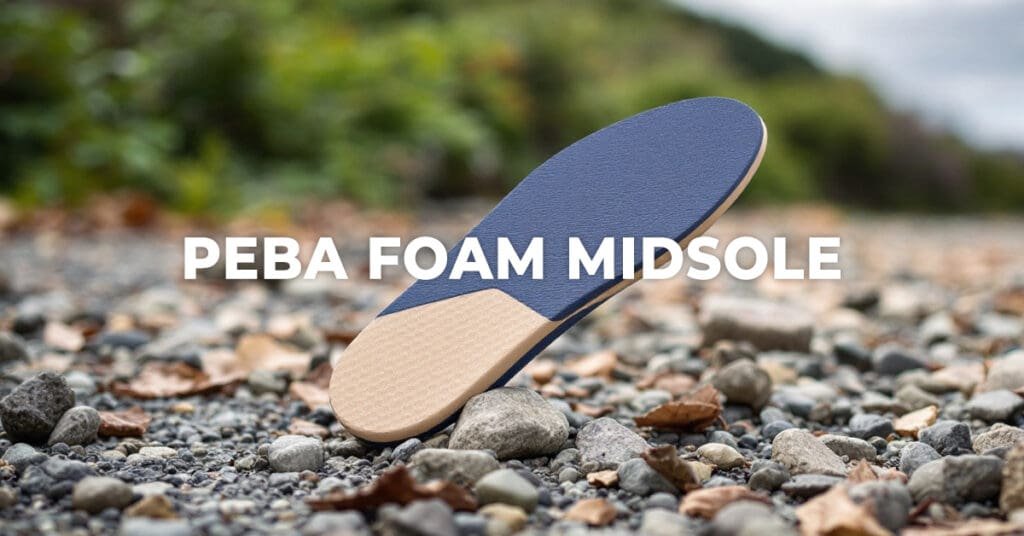
Introduction: Why PEBA Foam Changed Performance Footwear
Performance footwear has entered a new era. However, traditional foams often struggle to balance weight, cushioning, and responsiveness. The PEBA foam midsole transformed this space by delivering exceptional energy return with extremely low weight.
Moreover, elite runners and serious athletes now expect midsoles that enhance speed without sacrificing comfort. As a result, understanding PEBA-based foam helps you evaluate modern performance shoes more accurately—especially during a detailed fashion audit focused on innovation and functionality.
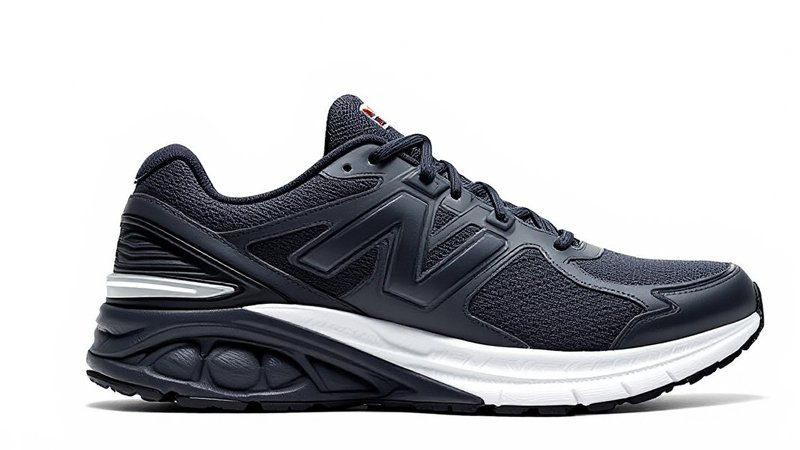
What Is a PEBA Foam Midsole?
A PEBA foam midsole uses polyether block amide, a high-performance polymer known for its elasticity, strength, and low density. Unlike EVA or PU, PEBA delivers powerful rebound while remaining incredibly lightweight.
You’ll commonly find this type of midsole in:
- Elite racing shoes
- Marathon footwear
- Performance running shoes
- Speed training sneakers
- Premium athletic footwear
Because the foam stores and releases energy efficiently, it enhances propulsion.
How PEBA Foam Midsoles Are Manufactured
Manufacturers produce PEBA-based midsoles through:
- Expanding PEBA pellets or beads
- Controlling foam density precisely
- Molding midsoles under heat and pressure
- Cooling to lock elasticity
- Integrating the midsole with outsole systems
As a result, the midsole achieves high rebound with minimal weight.
Key Benefits of PEBA Foam Midsoles
Exceptional Energy Return
PEBA foam rebounds rapidly. Therefore, each step feels more powerful and efficient.
Ultra-Lightweight Construction
The material weighs significantly less than traditional foams.
Responsive Cushioning
The foam compresses and rebounds without feeling mushy.
Consistent Performance Across Temperatures
PEBA maintains performance in both hot and cold conditions.
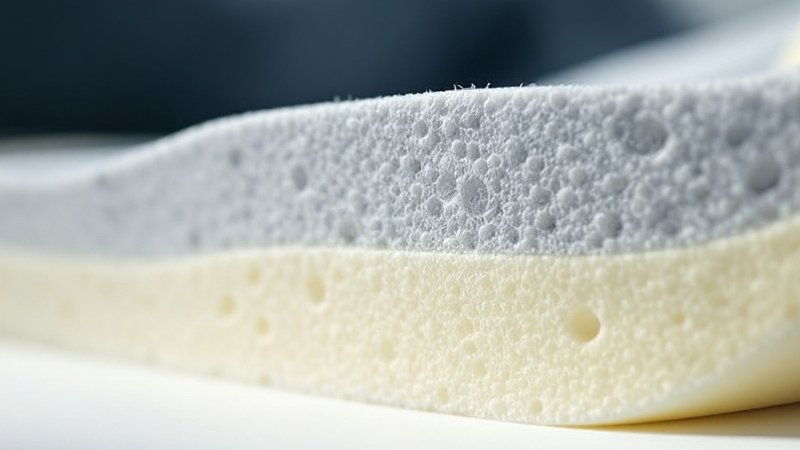
PEBA Foam vs EVA and TPU Midsoles
| Feature | PEBA Foam | EVA | TPU |
|---|---|---|---|
| Energy return | Very high | Moderate | High |
| Weight | Ultra-light | Light | Heavier |
| Responsiveness | Excellent | Moderate | Very good |
| Durability | High | Moderate | Very high |
| Best use | Racing & performance | Daily comfort | Long-term performance |
As a result, PEBA suits speed-focused and elite footwear.
Where PEBA Foam Midsoles Are Commonly Used
Footwear brands typically use PEBA foam in:
- Marathon racing shoes
- Speed training footwear
- Performance running sneakers
- Competition-grade athletic shoes
- High-end lifestyle performance models
Therefore, this foam works best for fast-paced, high-efficiency movement.
How PEBA Foam Performs Over Time
PEBA foam resists compression breakdown. Instead of flattening quickly, it retains rebound and structure.
Over time:
- Energy return stays high
- Cushioning remains responsive
- Weight advantage remains noticeable
As a result, performance lasts longer than many traditional foams.
Care Tips for Shoes with PEBA Foam Midsoles
Proper care helps preserve responsiveness. For example:
- Clean midsoles gently with mild soap
- Avoid prolonged heat exposure
- Store shoes in a cool, dry place
- Rotate footwear to reduce foam fatigue
Is PEBA Foam Comfortable for Daily Wear?
Yes, but it’s designed for performance first. However, PEBA feels firmer and more responsive than soft comfort foams.
Best suited for:
- Running and racing
- Speed workouts
- Long-distance training
- Performance-driven lifestyles
It may feel less plush for casual walking.
Sustainability Perspective
PEBA is synthetic and not biodegradable. However, its durability and efficiency reduce frequent shoe replacement. Some manufacturers are also exploring bio-based PEBA alternatives.
Because of this, footwear using PEBA foam midsoles may score well during a performance-focused fashion audit, especially when longevity and innovation matter.
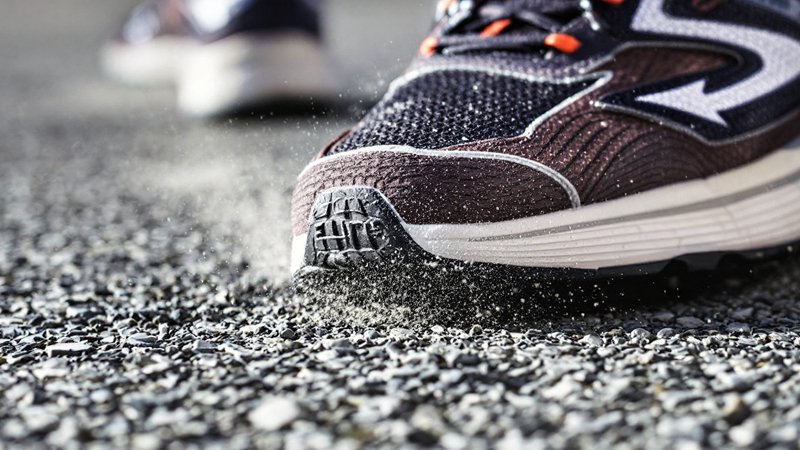
When a PEBA Foam Midsole Is the Right Choice
Choose footwear with PEBA foam midsoles if you want:
- Maximum energy return
- Ultra-lightweight feel
- Speed and responsiveness
- High-performance cushioning
As a result, PEBA foam fits competitive and performance-driven needs best.
Common Mistakes to Avoid
However, many people:
- Use racing shoes for casual wear
- Expect plush comfort over responsiveness
- Store shoes in extreme heat
- Skip rotation between pairs
Avoiding these mistakes preserves foam performance.
FAQs
Q1: Is PEBA foam better than EVA?
Yes, especially for energy return and weight.
Q2: Is PEBA foam used in marathon shoes?
Yes, it’s widely used in elite racing footwear.
Q3: Does PEBA foam lose bounce?
It retains rebound longer than traditional foams.
Q4: Is PEBA foam durable?
Yes, despite its lightweight structure.
Q5: Is PEBA foam suitable for daily walking?
It can be, but it’s optimized for performance.
Conclusion: Elite Cushioning for Speed and Efficiency
In conclusion, a PEBA foam midsole delivers unmatched energy return, ultra-lightweight cushioning, and responsive performance. While it prioritizes speed over softness, it excels in efficiency and propulsion.
Ultimately, whether you’re choosing racing shoes or reviewing advanced cushioning systems during a thoughtful fashion audit, PEBA foam represents the future of high-performance footwear design.