
Introduction: Why Phylon Soles Are Popular in Modern Shoes
Comfort-focused footwear has evolved rapidly. However, many sole materials struggle to balance softness, flexibility, and weight. Phylon sole material stands out because it delivers lightweight cushioning while supporting natural foot movement.
Moreover, sports and casual footwear brands frequently use phylon to enhance walking and running comfort. As a result, understanding this sole material helps you choose shoes that feel light and responsive—especially when evaluating comfort during a thoughtful fashion audit.
What Is Phylon Sole Material?
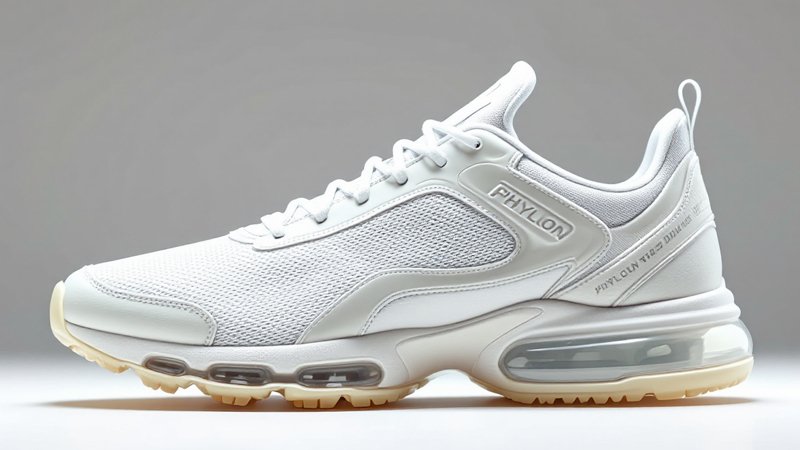
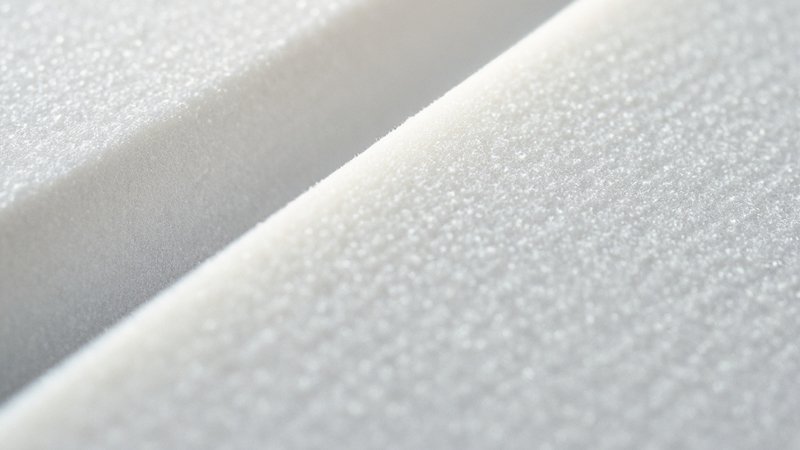
Phylon sole material is a compressed form of EVA foam. Manufacturers heat EVA and compress it to create a lighter, more uniform, and resilient sole.
You’ll commonly find phylon soles in:
- Running shoes
- Walking footwear
- Sports sneakers
- Casual athletic shoes
- Travel-friendly footwear
Because the foam structure remains even, phylon delivers consistent cushioning.
How Phylon Soles Are Manufactured
Manufacturers create phylon soles through:
- Heating EVA foam blocks
- Compressing the material under pressure
- Cooling to lock density
- Shaping sole units
- Attaching soles to the upper
As a result, phylon becomes lighter and more flexible than standard EVA.
Key Benefits of Phylon Sole Material
Lightweight Construction
Phylon significantly reduces shoe weight. Therefore, footwear feels easier to wear for long hours.
Soft Cushioning
The compressed foam absorbs shock effectively.
Flexible Movement
Phylon bends naturally with the foot.
Smooth Walking Experience
The material provides a balanced underfoot feel.
Phylon vs EVA Sole Material
| Feature | Phylon | EVA |
|---|---|---|
| Weight | Lighter | Slightly heavier |
| Cushioning | Soft & responsive | Soft |
| Flexibility | High | Moderate |
| Durability | Moderate | Moderate |
| Shape retention | Better | Average |
| Best use | Sports & walking | Casual comfort |
As a result, phylon suits active footwear better.
Where Phylon Soles Are Commonly Used
Footwear brands often use phylon soles in:
- Running shoes
- Walking footwear
- Sports trainers
- Casual athletic sneakers
- Lightweight daily shoes
Therefore, phylon works best for low- to medium-impact activities.
How Phylon Soles Perform Over Time
Phylon compresses gradually. Instead of cracking, it loses cushioning slowly with regular use.
Over time:
- Cushioning softens slightly
- Flexibility remains good
- Support reduces moderately
As a result, phylon shoes may need replacement after extended wear.
Care Tips for Shoes with Phylon Soles
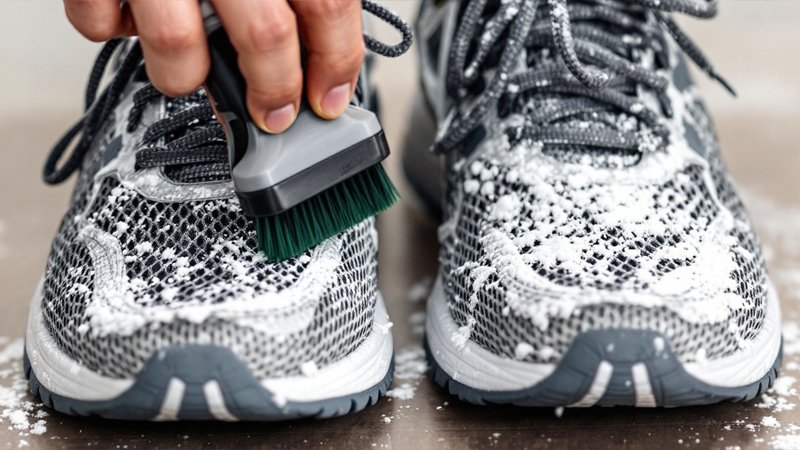
Proper care helps extend lifespan. For example:
- Clean soles with mild soap
- Avoid prolonged heat exposure
- Air dry after use
- Store in cool, dry areas
Are Phylon Soles Durable Enough?
Yes, for everyday and athletic use. However, phylon is not designed for rough or abrasive terrain.
Best suited for:
- Running and walking
- Gym workouts
- Travel and daily wear
- Casual sports activities
They are less suitable for heavy-duty outdoor use.
Sustainability Perspective
Phylon is synthetic and not biodegradable. However, its lightweight nature reduces material use, and some brands now incorporate recycled EVA into phylon production.
Because of this, footwear using phylon soles may score moderately during a comfort-focused fashion audit, especially when weight reduction matters.
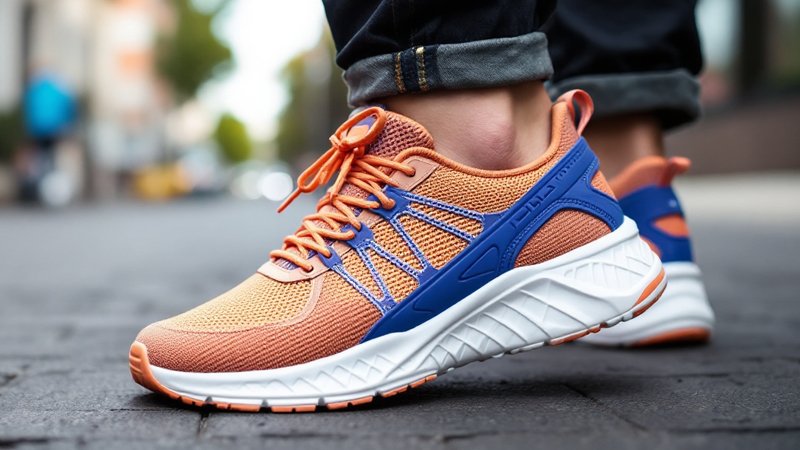
When Phylon Sole Material Is the Right Choice
Choose footwear with phylon soles if you want:
- Lightweight comfort
- Soft cushioning
- Flexible movement
- Athletic everyday performance
As a result, phylon soles fit active, comfort-driven lifestyles.
Common Mistakes to Avoid
However, many people:
- Use phylon shoes on rough terrain
- Expose soles to extreme heat
- Expect high abrasion resistance
- Skip regular cleaning
Avoiding these mistakes improves lifespan.
FAQs
Q1: Is phylon better than EVA?
Phylon is lighter and more flexible than standard EVA.
Q2: Are phylon soles good for running?
Yes, especially for light to moderate running.
Q3: Do phylon soles wear out quickly?
They wear gradually with heavy use.
Q4: Are phylon soles waterproof?
They resist water but are not waterproof.
Q5: Are phylon soles comfortable for daily wear?
Yes, they provide soft, lightweight comfort.
Conclusion: Lightweight Comfort for Active Lifestyles
In conclusion, phylon sole material delivers lightweight cushioning, flexibility, and everyday comfort. While it doesn’t suit rough terrain, it excels in sports, walking, and casual athletic footwear.
Ultimately, whether you’re choosing running shoes or reviewing sole materials during a thoughtful fashion audit, phylon offers a practical blend of comfort and performance.