
Introduction: Functional Details That Support Everyday Footwear
Footwear construction relies on many small but important components. However, lacing systems often receive less attention than soles or uppers. Eyelets play a key role in securing fit and maintaining shoe structure.
In many everyday and performance shoes, plastic eyelets provide a practical solution. As a result, shoes with molded or synthetic eyelets are commonly used in casual, athletic, and lightweight footwear and are often evaluated during durability-focused fashion audits.
What Are Plastic Eyelets in Shoes?
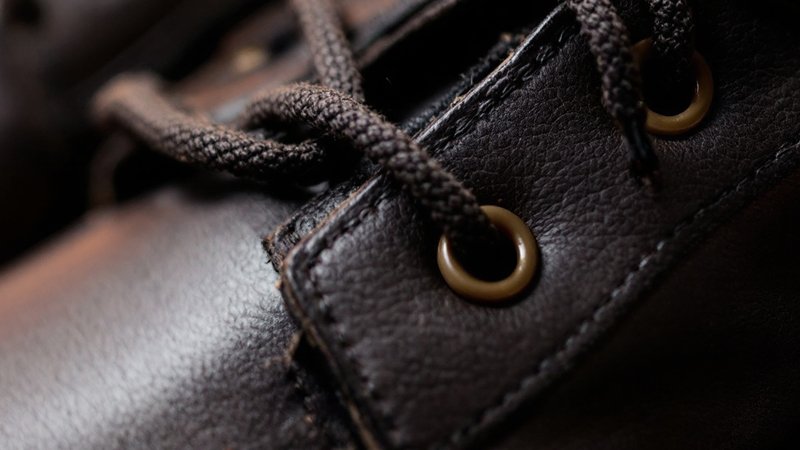
Plastic eyelets are reinforced lace holes made from synthetic materials rather than metal. Unlike metal hardware, these eyelets are lightweight and often molded directly into the shoe upper.
Key characteristics include:
- Made from durable plastic or TPU
- Smooth edges to protect laces
- Integrated or attached design
- Color-matched appearance
Because of their flexibility, plastic eyelets suit many modern shoe styles.
Why Footwear Uses Plastic Eyelets
Plastic eyelets support lacing while keeping shoes lightweight. Without heavy hardware, they help maintain comfort and balance.
Key reasons for using plastic eyelets include:
- Reduced overall shoe weight
- Cost-effective production
- Flexible integration with uppers
- Consistent appearance
As a result, they are widely used in mass-market footwear.
Types of Plastic Eyelets Used in Footwear
Different designs suit different applications.
Molded Eyelets
Formed directly into synthetic uppers.
Inserted Plastic Grommets
Separate pieces added for reinforcement.
TPU-Reinforced Eyelets
Offer added durability and flexibility.
Decorative Plastic Eyelets
Used mainly for visual consistency.
Materials Commonly Used for Plastic Eyelets
Manufacturers select plastics based on strength and flexibility.
| Material | Key Benefit |
|---|---|
| TPU | Flexible and durable |
| PVC | Cost-effective |
| ABS plastic | Rigid support |
| Nylon | Lightweight strength |
As a result, eyelet material often matches shoe function.
Plastic Eyelets vs Metal Eyelets
| Feature | Plastic Eyelets | Metal Eyelets |
|---|---|---|
| Weight | Very lightweight | Heavier |
| Cost | Lower | Higher |
| Flexibility | High | Low |
| Corrosion risk | None | Possible |
| Appearance | Minimal | Premium |
Therefore, plastic eyelets suit lightweight and casual footwear.
Where Plastic Eyelets Are Commonly Used
Shoes with plastic eyelets are often found in:
- Athletic sneakers
- Running and training shoes
- Casual lifestyle footwear
- Children’s shoes
- Lightweight outdoor shoes
These categories benefit from reduced weight and flexibility.
Comfort and Fit Benefits
Plastic eyelets help improve comfort by:
- Allowing smooth lace movement
- Reducing pressure points
- Flexing with the upper
- Maintaining consistent tension
However, overall comfort still depends on lacing technique and shoe construction.
Durability and Performance Over Time
High-quality plastic eyelets perform well under everyday use. Instead of cracking easily, reinforced designs resist stress from repeated lacing.
With proper construction:
- Eyelets stay securely in place
- Laces experience less wear
- Upper materials remain intact
As a result, durability meets daily wear expectations.
Care and Maintenance Tips
Plastic eyelets require minimal upkeep. For example:
- Wipe clean with a damp cloth
- Avoid excessive heat exposure
- Check for cracks during cleaning
- Replace worn laces promptly

Sustainability Perspective
Lightweight components can support lower material usage. Because of this, plastic eyelets contribute to reduced resource consumption when used responsibly.
During a fashion audit, durability and material efficiency often matter as much as material type.
When Plastic Eyelets Shoes Are the Right Choice
Choose footwear with plastic eyelets if you want:
- Lightweight construction
- Affordable pricing
- Flexible, comfortable fit
- Clean and minimal design
As a result, they work well for everyday and athletic use.
Common Misconceptions
However, some people:
- Assume plastic eyelets break easily
- Think they are always low quality
- Expect premium aesthetics
- Ignore material grade differences
Quality depends heavily on design and material choice.
FAQs
Q1: Are plastic eyelets durable?
Yes, when made from quality materials like TPU or nylon.
Q2: Do plastic eyelets damage laces?
No, smooth edges help protect laces.
Q3: Are plastic eyelets better than metal?
They are better for lightweight and flexible footwear.
Q4: Can plastic eyelets crack?
Low-quality plastics may crack over time.
Q5: Are plastic eyelets waterproof?
They resist moisture but do not make shoes waterproof.
Conclusion: Practical Hardware for Modern Footwear
In conclusion, plastic eyelets shoes offer a lightweight, flexible, and cost-effective solution for modern footwear design. While they lack the premium feel of metal hardware, they perform reliably in casual and athletic applications.
Ultimately, whether you’re choosing everyday sneakers or evaluating construction details during a detailed fashion audit, plastic eyelets remain a practical and efficient footwear component.