
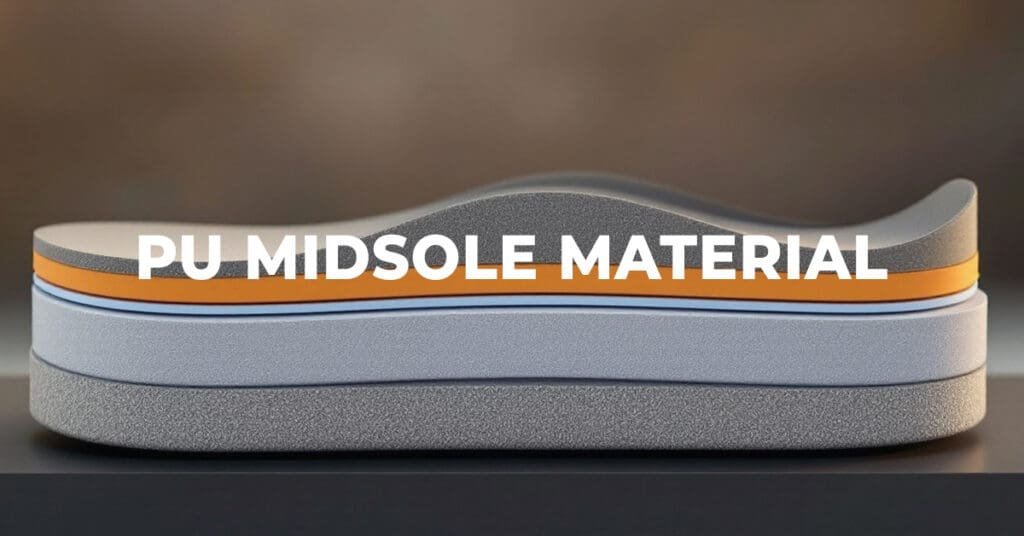
Introduction: Why PU Midsoles Are Known for Durability
Midsole performance directly affects comfort, stability, and shoe lifespan. However, not all cushioning materials hold their shape over time. PU midsole material stands out because it delivers long-lasting support with controlled cushioning.
Moreover, many work, walking, and comfort-focused shoes rely on PU for its resilience. As a result, understanding this midsole material helps you choose footwear that maintains performance over extended use—especially when reviewing comfort and durability during a thoughtful fashion audit.
What Is PU Midsole Material?
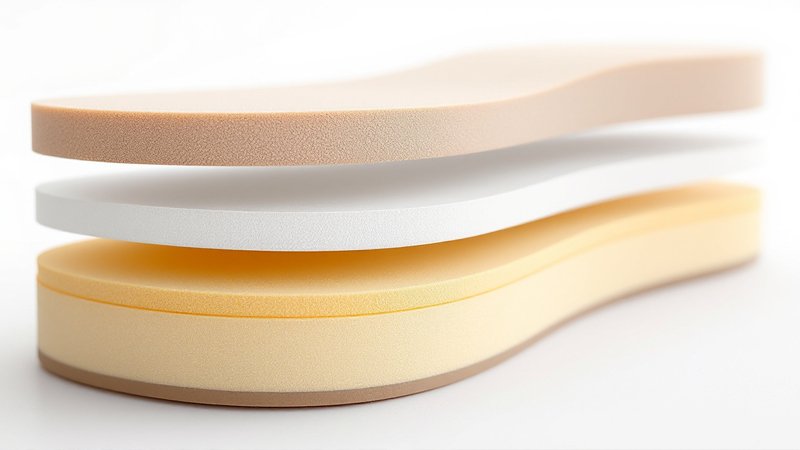
PU midsole material is made from polyurethane foam, a dense yet flexible polymer designed for support and durability. Unlike EVA, PU compresses more slowly and retains its structure for a longer time.
You’ll commonly find PU midsoles in:
- Walking shoes
- Work and safety footwear
- Casual comfort shoes
- Orthopedic and support shoes
- Travel-friendly footwear
Because of its density, PU provides stable underfoot support.
How PU Midsoles Are Manufactured
Manufacturers create PU midsoles through:
- Mixing polyurethane compounds
- Foaming the material to desired density
- Injection or casting into molds
- Curing to lock structure
- Bonding the midsole to the outsole
As a result, PU midsoles achieve strong shape retention and durability.
Key Benefits of PU Midsole Material
Long-Lasting Cushioning
PU resists compression breakdown. Therefore, it maintains comfort over time.
Improved Stability
Higher density supports balance and posture.
Durable Performance
The material handles extended wear well.
Supportive Walking Feel
PU absorbs shock while remaining firm.
PU Midsole vs EVA Midsole
| Feature | PU Midsole | EVA Midsole |
|---|---|---|
| Cushioning | Firm & supportive | Soft & plush |
| Durability | High | Moderate |
| Weight | Heavier | Lighter |
| Stability | Excellent | Moderate |
| Shape retention | Strong | Moderate |
| Best use | Long-term wear | Lightweight comfort |
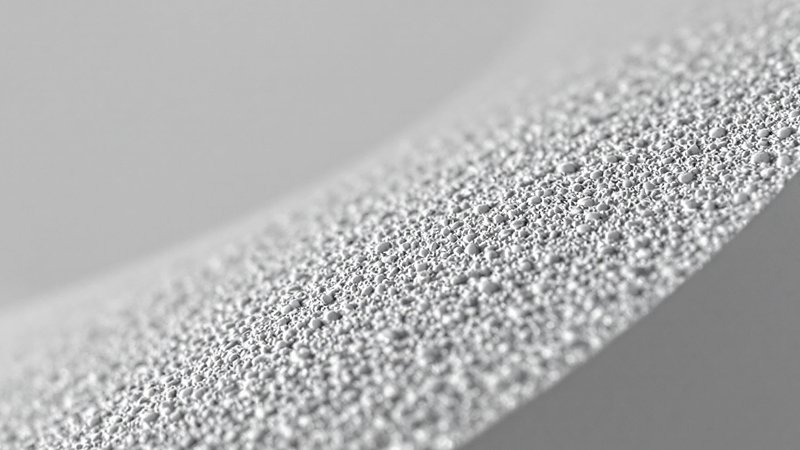
As a result, PU suits durability-focused footwear better.
Where PU Midsole Material Is Commonly Used
Footwear brands often apply PU midsoles in:
- Work and safety shoes
- Walking footwear
- Comfort-focused casual shoes
- Orthopedic footwear
- Long-wear daily shoes
Therefore, PU performs best where support and longevity matter.
How PU Midsoles Perform Over Time
PU foam ages slowly. Instead of flattening quickly, it maintains structure even after extended use.
Over time:
- Cushioning remains stable
- Support stays consistent
- Compression occurs gradually
As a result, shoes retain comfort longer than EVA-based designs.
Care Tips for Shoes with PU Midsoles
Proper care helps extend lifespan. For example:
- Keep shoes dry and clean
- Avoid prolonged exposure to moisture
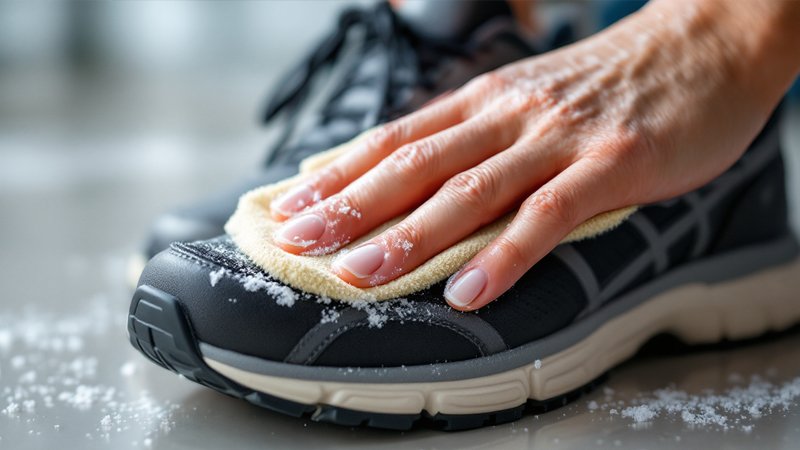
- Clean with mild soap and water
- Store in a cool, dry place
Are PU Midsoles Comfortable for Daily Wear?
Yes, especially for long hours. However, PU feels firmer than soft foams.
Best suited for:
- Long walking sessions
- Standing-intensive jobs
- Travel and commuting
- Support-focused daily wear
They may feel heavier than EVA-based shoes.
Sustainability Perspective
PU is synthetic and not biodegradable. However, its long lifespan reduces frequent replacement, which lowers overall material consumption.
Because of this, footwear using PU midsoles may score well during a durability-focused fashion audit, especially when long-term use matters.
When PU Midsole Material Is the Right Choice
Choose footwear with PU midsoles if you want:
- Long-lasting cushioning
- Strong underfoot support
- Improved stability
- Shoes built for extended wear
As a result, PU midsoles suit practical, support-driven lifestyles.
Common Mistakes to Avoid
However, many people:
- Expect ultra-lightweight feel
- Use PU shoes for speed-focused sports
- Store shoes in damp environments
- Skip regular cleaning
Avoiding these mistakes improves longevity.
FAQs
Q1: Is PU midsole material durable?
Yes, it lasts longer than EVA.
Q2: Are PU midsoles heavy?
They are heavier than EVA but more supportive.
Q3: Is PU good for walking shoes?
Yes, it’s excellent for long walking hours.
Q4: Do PU midsoles lose cushioning?
They lose cushioning slowly over time.
Q5: Are PU midsoles waterproof?
They resist moisture but are not waterproof.
Conclusion: Reliable Support for Long-Term Comfort
In conclusion, PU midsole material delivers durability, stability, and long-lasting cushioning for everyday footwear. While heavier than EVA, it excels in support and shape retention.
Ultimately, whether you’re choosing walking shoes or reviewing midsole materials during a thoughtful fashion audit, PU midsoles offer dependable comfort built for long wear.