
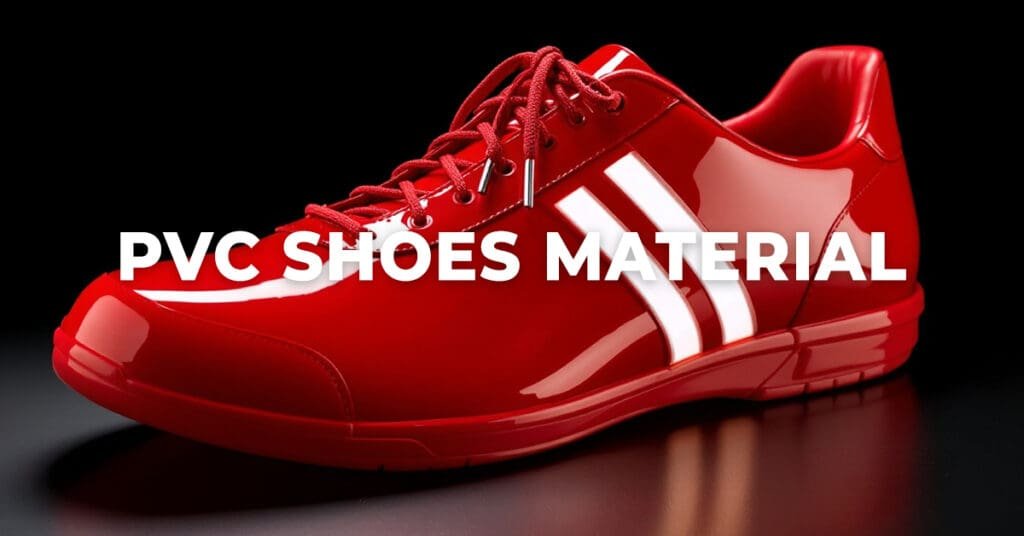
Introduction: Why PVC Shoes Remain Popular
Footwear materials must often balance cost, durability, and functionality. However, not every material handles wet conditions effectively at a low price. PVC shoes material continues to attract attention because it offers strong water resistance, easy maintenance, and affordability.
Moreover, PVC appears in many practical shoe categories, from rainwear to casual utility footwear. As a result, understanding this material helps you choose purpose-driven shoes—especially when reviewing functionality during a thoughtful fashion audit.
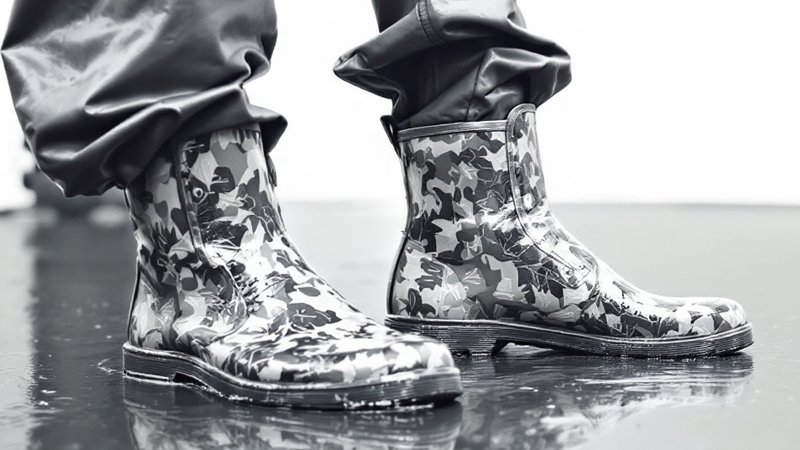
What Is PVC Shoes Material?
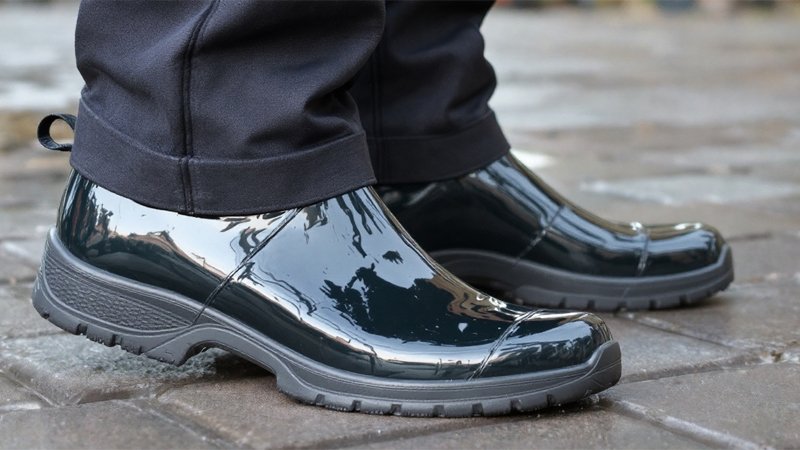
PVC shoes material comes from polyvinyl chloride, a synthetic plastic polymer widely used in footwear. Manufacturers mold or coat PVC to create uppers that resist water and stains.
Common PVC shoe forms include:
- Molded PVC shoes
- PVC-coated fabric uppers
- Glossy or matte PVC finishes
- Flexible plastic uppers
Because PVC forms a solid barrier, it blocks moisture effectively.
How Manufacturers Make PVC Footwear
Producers create PVC footwear through:
- Mixing PVC resin with plasticizers
- Heating and molding the material
- Injection molding or coating fabric bases
- Shaping and assembling the shoe structure
As a result, PVC shoes achieve uniform shape and finish.
Key Benefits of PVC Shoes Material
Excellent Water Resistance
PVC repels water completely. Therefore, it works well in wet environments.
Easy Cleaning
A simple wipe removes dirt, mud, and stains.
Affordable Production
PVC costs less than leather and many synthetics.
Consistent Appearance
The surface maintains a uniform look without natural variation.
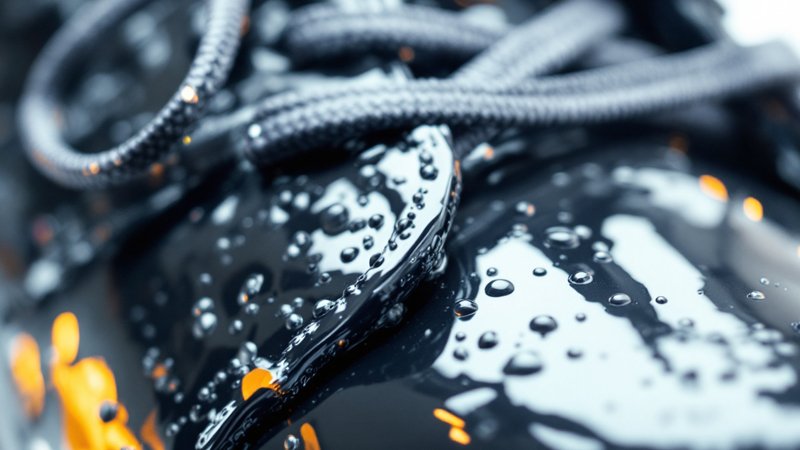
PVC Shoes vs PU Shoes
| Feature | PVC Material | PU Material |
|---|---|---|
| Water resistance | High | Moderate |
| Flexibility | Moderate | Higher |
| Breathability | Low | Moderate |
| Comfort | Firm | Softer |
| Cost | Lower | Slightly higher |
| Weight | Heavier | Lighter |
As a result, PVC suits utility-focused footwear better.
Where PVC Shoes Are Commonly Used
Manufacturers often use PVC in:
- Rain shoes and boots
- School footwear
- Casual sandals and slippers
- Utility and garden shoes
- Budget-friendly fashion shoes
Therefore, PVC fits practical and wet-use scenarios.
How PVC Shoes Perform Over Time
PVC changes with age and use. Instead of softening, it may stiffen gradually.
Over time:
- Flex areas may show cracks
- Surface remains waterproof
- Shape stays consistent
As a result, proper storage plays a key role in longevity.
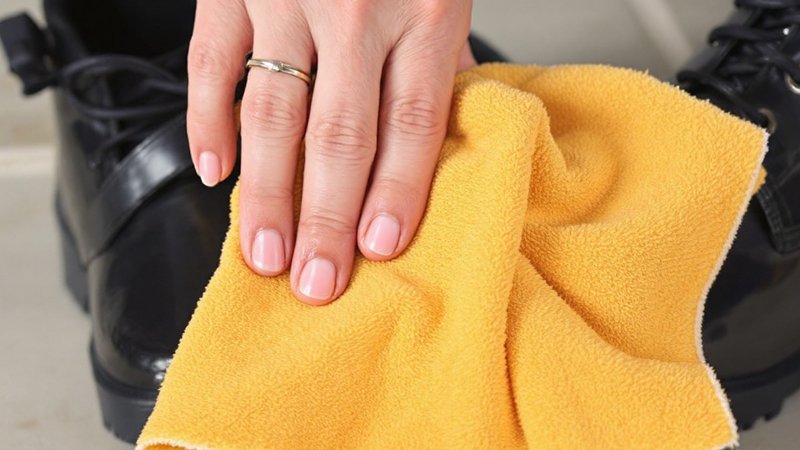
How to Care for PVC Shoes
Simple habits keep PVC footwear usable. For example:
- Wipe clean after use
- Wash with mild soap and water
- Dry at room temperature
- Store away from direct heat
Are PVC Shoes Comfortable for Daily Wear?
PVC prioritizes protection over softness. However, manufacturers often add padded insoles to improve comfort.
Best suited for:
- Short-duration wear
- Wet conditions
- Utility tasks
- Budget footwear needs
They may feel less breathable during long wear.
Sustainability Perspective
PVC does not biodegrade easily. However, its durability reduces frequent replacement. Some brands now work on recyclable PVC alternatives.
Because of this, PVC footwear may score modestly during a functionality-focused fashion audit, especially when cost and water resistance matter most.
When PVC Shoes Material Is the Right Choice
Choose PVC footwear if you want:
- Waterproof protection
- Easy maintenance
- Affordable pricing
- Shoes for wet environments
As a result, PVC works best for practical, weather-specific needs.
Common Mistakes to Avoid
However, many people:
- Wear PVC shoes for long hours
- Store them near heat sources
- Expect high breathability
- Bend them excessively
Avoiding these mistakes improves lifespan.
FAQs
Q1: Are PVC shoes waterproof?
Yes, PVC offers excellent water resistance.
Q2: Are PVC shoes breathable?
No, PVC has low breathability.
Q3: Do PVC shoes crack over time?
They can if exposed to heat or heavy flexing.
Q4: Are PVC shoes heavy?
They are heavier than PU or textile shoes.
Q5: Are PVC shoes eco-friendly?
PVC is not biodegradable, but long use reduces waste.
Conclusion: Practical Protection at an Affordable Price
In conclusion, PVC shoes material delivers waterproof performance, easy care, and budget-friendly utility. While it does not offer high breathability or softness, it excels in wet and practical environments.
Ultimately, whether you’re selecting rain footwear or reviewing material functionality during a thoughtful fashion audit, PVC shoes provide dependable protection where it matters most.