
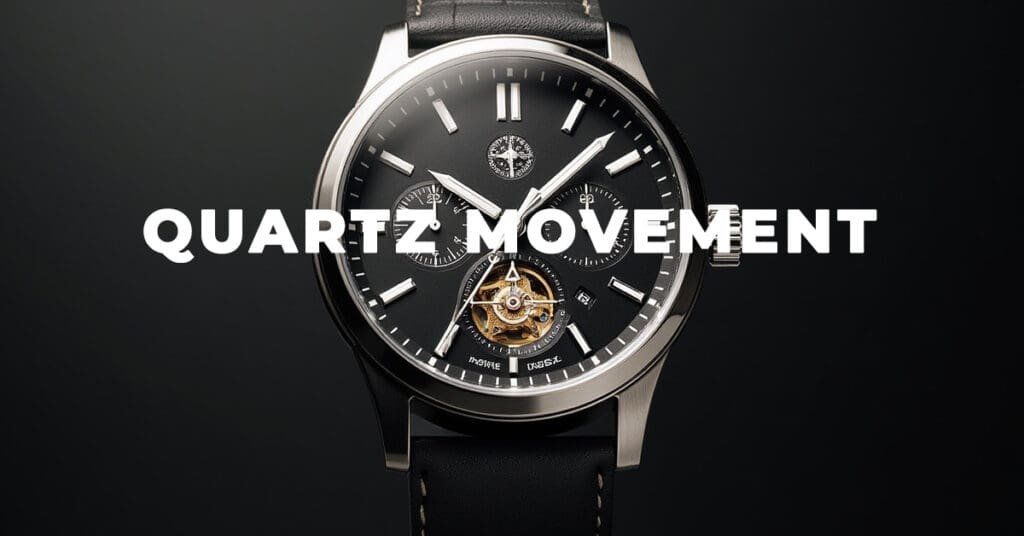
Introduction: The Pulse That Revolutionized Timekeeping
When it comes to precision, affordability, and convenience, nothing beats the Quartz Movement.
Born in the 1960s, quartz technology transformed the watch industry — offering unmatched accuracy, low maintenance, and affordability compared to traditional mechanical movements.
From luxury chronographs to smart hybrid watches, quartz still powers over 80% of watches worldwide in 2025.
In this Fashion Audit guide, we’ll explore what a quartz movement is, how it works, why it became so iconic, and how it continues to shape modern watchmaking.
1. What Is a Quartz Movement?
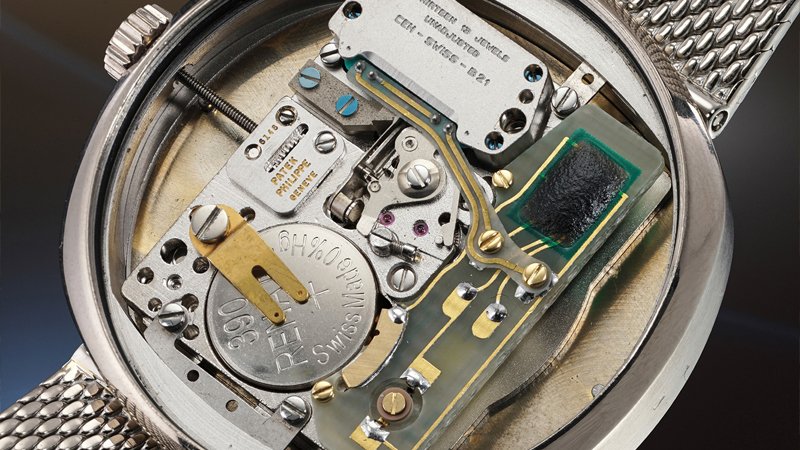
A Quartz Movement is a timekeeping mechanism powered by a battery that sends electricity to a tiny quartz crystal, causing it to vibrate at a precise frequency.
These vibrations regulate the movement of the watch’s hands, making quartz watches highly accurate and reliable.
Key Idea:
Quartz watches use electricity and physics instead of springs and gears.
Fashion Audit Insight:
Quartz watches brought timekeeping from the workshops of artisans to the wrists of everyone — precise, affordable, and dependable.
2. The History of Quartz Watches
The quartz revolution began when Seiko introduced the Astron Quartz in 1969 — the world’s first quartz wristwatch.
This innovation changed the course of horology forever.
Timeline:
- 1969: Seiko launches the first quartz watch — Seiko Astron.
- 1970s: Quartz watches become globally popular.
- 1980s: Swiss brands face the “Quartz Crisis” — mechanical watch sales drop sharply.
- 1990s–2025: Quartz stabilizes as the standard for precision watches, powering both digital and analog designs.
Fashion Audit Note:
What was once considered disruptive technology is now the heartbeat of everyday reliability.
3. How Quartz Movement Works
The beauty of quartz lies in its scientific simplicity.
Step-by-Step Process:
- Battery sends electric current to a small quartz crystal.
- The quartz crystal vibrates exactly 32,768 times per second.
- These vibrations are converted into regular electrical pulses.
- The circuit translates pulses into mechanical movement of the hands (or digital display).
Frequency:
Quartz oscillation ensures a constant rate — keeping time accurate within ±15 seconds per month.
4. Components of a Quartz Movement
| Component | Function |
|---|---|
| Battery | Powers the circuit and crystal. |
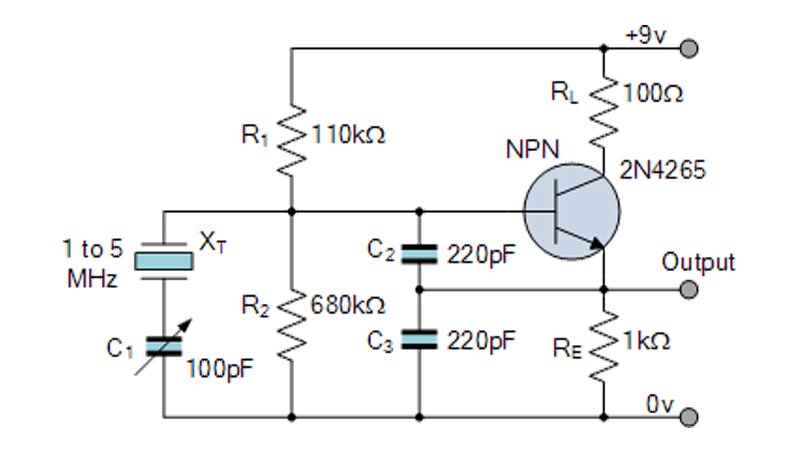
| Quartz Crystal Oscillator | Vibrates at a precise frequency for accuracy. |
| Integrated Circuit (IC) | Converts vibrations into consistent electrical signals. |
| Stepper Motor | Translates electric pulses into mechanical motion. |
| Gears and Hands | Display time accurately. |
Fashion Audit Tip:
The real magic happens in the quartz crystal — its natural vibration ensures precision beyond what mechanical movements can achieve.
5. Quartz vs Automatic vs Mechanical
| Feature | Quartz | Automatic | Mechanical (Manual) |
|---|---|---|---|
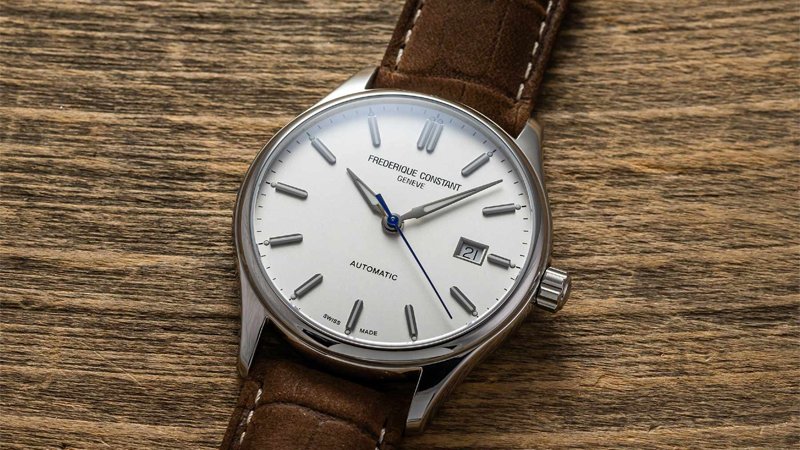
| Power Source | Battery | Wrist movement | Manual winding |
| Accuracy | ±15 sec/month | ±5–10 sec/day | ±10–20 sec/day |
| Maintenance | Very low | Moderate | High |
| Battery Replacement | Every 1–2 years | None | None |
| Movement Type | Electronic | Mechanical | Mechanical |
| Cost Range (₹) | 1,000–50,000 | 10,000–2,00,000 | 8,000–1,50,000 |
Fashion Audit Verdict:
Quartz wins in precision and practicality — mechanical wins in soul and tradition.
6. Advantages of Quartz Watches
1. Exceptional Accuracy
Quartz vibrations ensure minimal time deviation — far more reliable than mechanical alternatives.
2. Low Maintenance
Only requires battery replacement every 1–2 years.
3. Lightweight & Thin
Fewer parts allow slimmer designs ideal for modern wear.
4. Affordable Excellence
High precision at low cost — available from entry-level to luxury brands.
5. Reliable Power
Runs continuously until the battery depletes; no winding needed.
Fashion Audit Insight:
Quartz movements brought horological precision within everyone’s reach — timeless technology that never sleeps.
7. Disadvantages of Quartz Watches
- Requires Battery Replacement – needs a new battery every few years.
- Less Emotional Appeal – lacks the craftsmanship of mechanical watches.
- Limited Longevity – electronic circuits degrade over decades.
- Environmental Impact – batteries contribute to waste if not recycled.
Fashion Audit Note:
While quartz may not carry mechanical charm, it’s the ultimate in convenience and everyday performance.
8. Quartz Innovations in 2025
Quartz technology continues to evolve, blending classic accuracy with modern intelligence.
Latest Trends:
- Solar-Powered Quartz: Uses light to charge batteries (e.g., Citizen Eco-Drive).
- Radio-Controlled Quartz: Syncs with atomic clocks via radio signals.
- GPS Quartz Watches: Auto-adjusts to global time zones (e.g., Seiko Astron GPS).
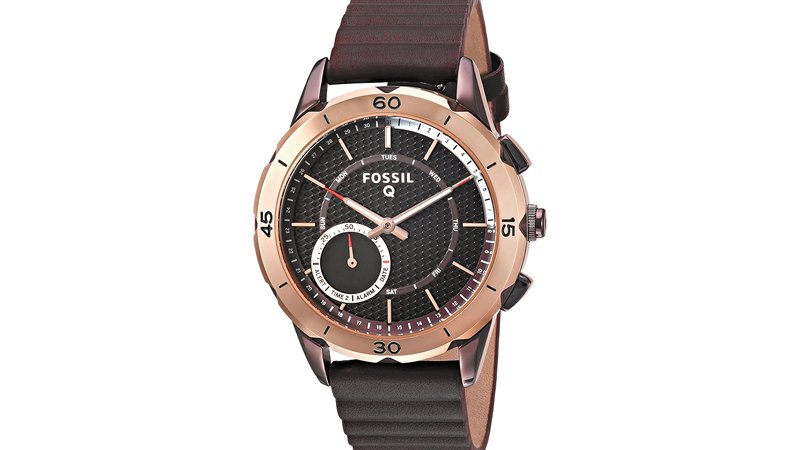
- Smart Hybrid Quartz: Combines analog hands with Bluetooth and fitness features.
Fashion Audit Insight:
In 2025, quartz is no longer basic — it’s intelligent, sustainable, and connected.
9. Types of Quartz Watches
| Type | Description | Example |
|---|---|---|
| Analog Quartz | Traditional dial with ticking hands | Tissot PR 100 Quartz |
| Digital Quartz | LCD display showing time and date | Casio F91W |
| Chronograph Quartz | Stopwatch function integrated | Seiko Chronograph |
| Solar Quartz | Light-powered rechargeable system | Citizen Eco-Drive |
| Hybrid Quartz | Analog hands + smart features | Fossil Hybrid HR |
Fashion Audit Tip:
For 2025, hybrid quartz models lead the market — offering smart functionality without losing the beauty of analog design.
10. Famous Quartz Movements (2025 Highlights)
| Brand | Movement Model | Notable Feature |
|---|---|---|
| Seiko | 7N43 / 9F62 | Ultra-accurate, durable |
| Citizen | Eco-Drive Quartz | Solar charging, no battery changes |
| Casio | Module 593 | Shock-resistant, reliable |
| Tissot | ETA F06.111 | Swiss-made precision |
| Rolex (Oysterquartz) | Caliber 5035 | Discontinued but collectible |
Fashion Audit Recommendation:
The Seiko 9F62 Quartz is the benchmark of precision — accurate, durable, and beautifully crafted.
11. Caring for Your Quartz Watch
Basic Maintenance:
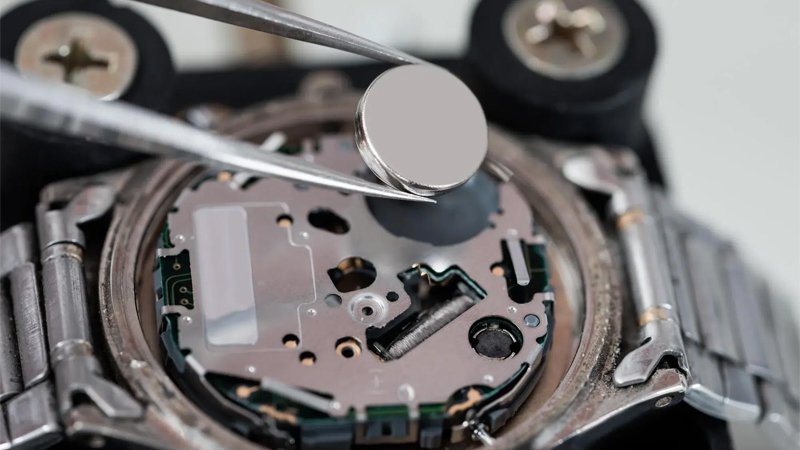
- Replace the battery every 1–2 years.
- Avoid extreme heat or magnetism.
- Clean the case and strap regularly with a soft cloth.
- If unused, remove the battery to prevent leakage.
Storage Tip:
Keep quartz watches in a dry, dust-free case away from strong magnets and electronics.
Fashion Audit Tip:
Regular servicing extends a quartz watch’s lifespan — don’t overlook it just because it’s electronic.
12. Conclusion: The Power of Precision
The Quartz Movement is the foundation of modern timekeeping — simple, efficient, and incredibly precise.
It’s the movement that democratized watches, making accuracy accessible to everyone.
Even in 2025, amidst smart and automatic innovations, quartz remains the gold standard of practicality and precision.
Fashion Audit Final Verdict:
“Quartz watches may not tick with emotion, but they beat with absolute perfection.”
Disclaimer:
All trademarks, logos, product names, and brand identifiers mentioned on FashionAudit.com are the property of their respective owners. They are used solely for the purpose of product review, comparison, and consumer information. FashionAudit.com does not claim any ownership of these marks.
No copyright or trademark infringement is intended. If any brand or rights holder believes their intellectual property has been misused, they can contact us directly and we will address the issue promptly.