
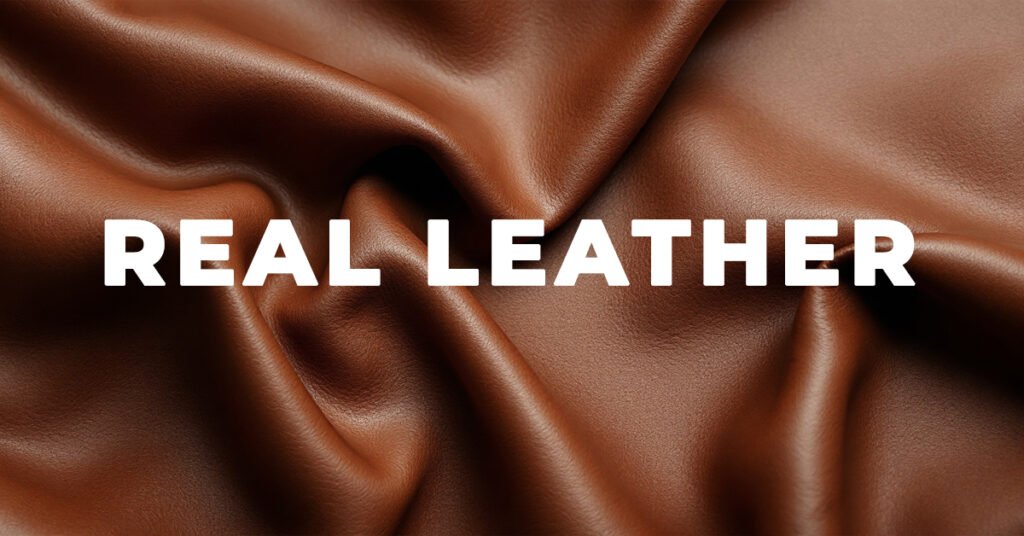
Introduction: The Craft of Authenticity
Few materials embody luxury and durability like real leather. Its rich texture, distinctive scent, and natural resilience make it a cornerstone of premium footwear and accessories.
In 2025, Fashion Audit notes a renewed appreciation for genuine craftsmanship — and real leather sits at the center of that revival. Beyond aesthetics, real leather tells a story of heritage, quality, and sustainability when ethically sourced.
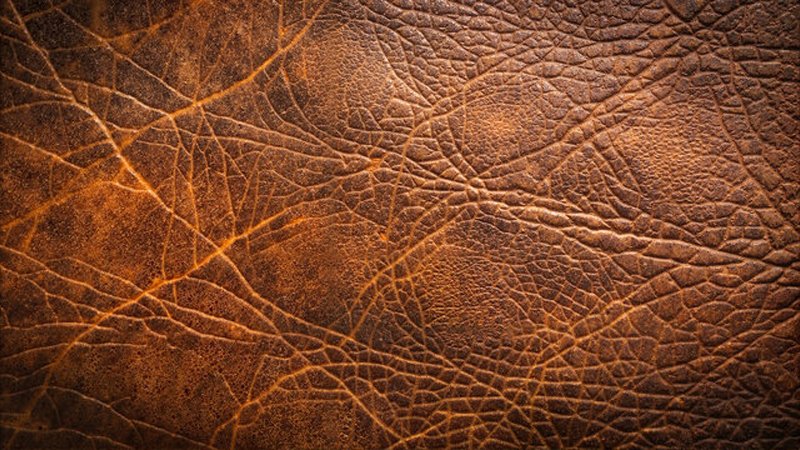
1. What Is Real Leather?
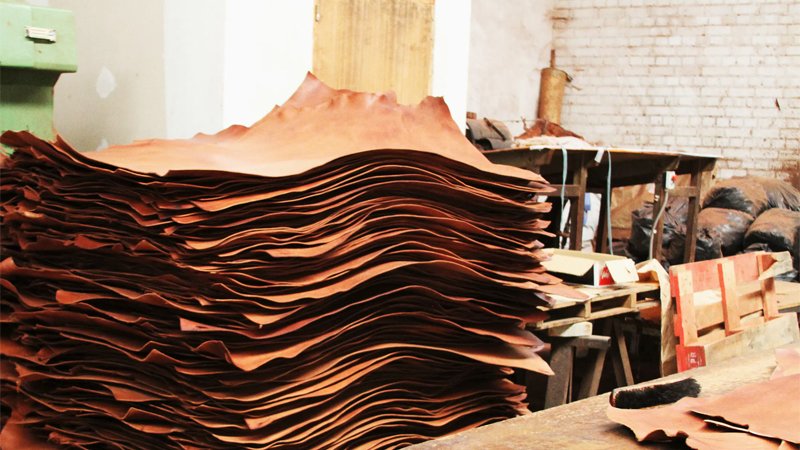
Real leather is made from the tanned hides or skins of animals, most commonly cattle. Unlike synthetic materials, it’s a natural product that develops character and patina over time.
Tanning preserves the hide, enhances durability, and gives the leather its distinct flexibility and texture.
Fashion Audit Insight: Real leather is more than material — it’s an investment that grows more beautiful with age.
2. Types of Real Leather Used in Footwear
Each type of real leather offers unique qualities depending on how it’s processed. Let’s explore the major categories.
2.1 Full-Grain Leather
The highest quality and most natural form of leather. It uses the top layer of the hide, preserving natural imperfections that give it unique character.
Key Traits:
- Extremely durable and breathable.
- Develops a rich patina with age.
- Resistant to wear and tear.
Used In: Premium formal shoes, boots, and luxury accessories.
Fashion Audit Note: Full-grain leather is the gold standard — the mark of master craftsmanship.
2.2 Top-Grain Leather
Slightly sanded to remove surface imperfections, giving it a smoother appearance than full-grain.
Key Traits:
- Softer and lighter.
- Easier to maintain.
- Slightly less durable but refined.
Used In: Dress shoes, loafers, and high-end handbags.
2.3 Genuine Leather
Despite the name, this grade refers to lower layers of the hide, which are treated and coated to mimic higher-quality leathers.
Key Traits:
- More affordable and flexible.
- Less durable than top-grain.
- Ideal for casual or mid-range footwear.
Fashion Audit Tip: Genuine leather offers real material quality at an accessible price — perfect for style-conscious shoppers.
2.4 Suede Leather
Created from the underside of the hide, suede has a soft, velvety finish.
Key Traits:
- Luxurious and lightweight.
- Requires protection from moisture.
- Softer and more delicate.
Used In: Loafers, desert boots, and fashion sneakers.
2.5 Nubuck Leather
Similar to suede but made from the outer side of the hide, lightly sanded for a smooth, matte feel.
Key Traits:
- Soft and durable.
- Offers premium texture.
- More resistant than suede.
Used In: Luxury boots and everyday premium footwear.
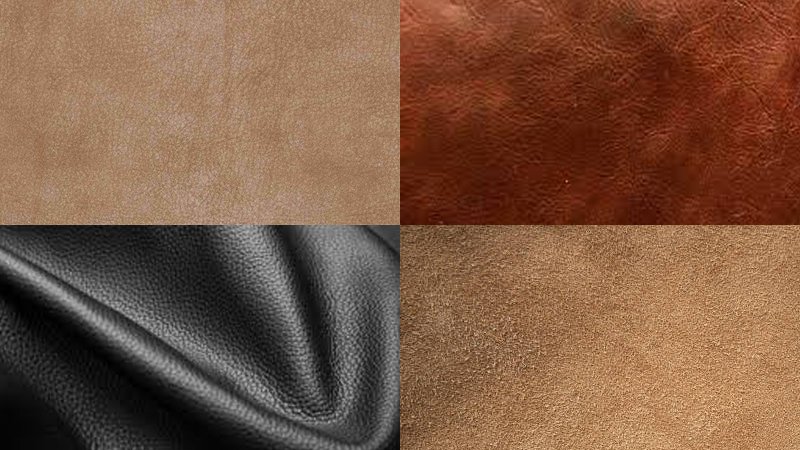
2.6 Patent Leather
A high-gloss version of real leather coated with lacquer or plastic.
Key Traits:
- Sleek and shiny finish.
- Water-resistant.
- Best for formal occasions.
Used In: Dress shoes, tuxedo footwear, and luxury handbags.
3. Materials Supporting Real Leather in Footwear
Even premium shoes blend materials for structure, comfort, and longevity.
| Component | Material Used | Purpose |
|---|---|---|
| Upper | Full-grain, Top-grain, Suede | Main body and design |
| Lining | Soft leather or fabric | Enhances comfort and breathability |
| Insole | Cork, Leather, or Memory Foam | Provides cushioning |
| Sole | Leather, Rubber, or TPU | Ensures durability and grip |
| Heel Counter | Reinforced Leather | Adds structure and stability |
| Thread | Nylon or Waxed Cotton | Strengthens seams |
Fashion Audit Tip: The hallmark of premium craftsmanship lies in the harmony between materials — not just the leather itself.
4. How Real Leather Is Made (The Tanning Process)
- Preparation: The raw hides are cleaned and treated.
- Tanning: Vegetable or chrome tanning stabilizes the material.
- Dyeing: Adds desired colors while maintaining natural texture.
- Finishing: Polishing, waxing, or coating to enhance look and feel.
Vegetable-Tanned Leather: Eco-friendly, using plant-based tannins for rich natural tones.
Chrome-Tanned Leather: Faster process, yielding softer, more flexible leather.
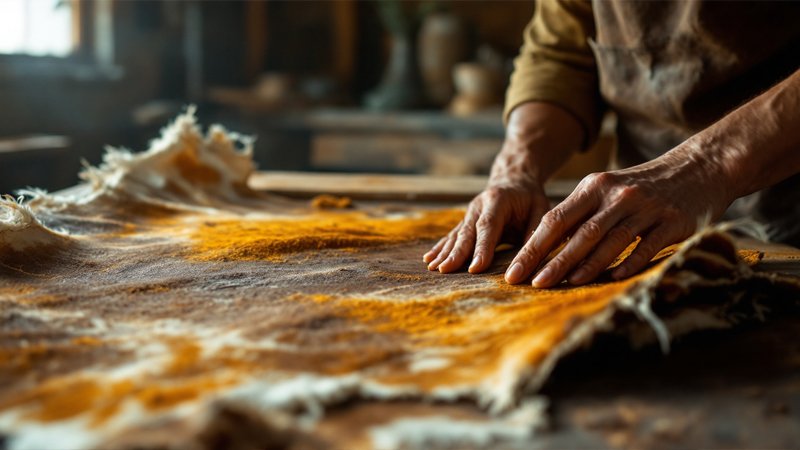
5. Benefits of Real Leather
- Durability: Can last decades with proper care.
- Breathability: Allows natural airflow, preventing odor.
- Aging Gracefully: Develops a beautiful patina over time.
- Comfort: Adapts to your foot’s shape.
- Sustainability (Ethically Sourced): A natural, biodegradable material.
- Timeless Style: Complements both classic and modern designs.
Fashion Audit Observation: Real leather’s appeal lies in its authenticity — no two pieces are ever the same.
6. Limitations of Real Leather
- Higher Cost: Premium craftsmanship comes with a price.
- Requires Maintenance: Needs conditioning and protection.
- Not Vegan: Derived from animal hide.
- Sensitive to Moisture: Needs waterproofing care.
Pro Tip: Always use a good quality leather conditioner and waterproof spray to preserve real leather footwear.
7. Real Leather vs Synthetic Leather
| Feature | Real Leather | Synthetic Leather |
|---|---|---|
| Source | Animal hide | Man-made (PU/PVC) |
| Breathability | High | Moderate |
| Durability | Long-lasting (10+ years) | Shorter lifespan (5–7 years) |
| Maintenance | Requires conditioning | Easier to maintain |
| Sustainability | Biodegradable (if vegetable-tanned) | Depends on polymer type |
| Cost | Premium | Affordable |
| Ethical Factor | Animal-based | Cruelty-free |
Fashion Audit Verdict: The choice depends on your values — real leather offers legacy luxury; synthetic leather offers modern ethics.
8. Sustainability & Ethics in Real Leather (2025 Focus)
In 2025, the leather industry is becoming more transparent and eco-conscious.
- Traceable Supply Chains: Ensuring ethical sourcing.
- Vegetable Tanning: Reduces chemical waste.
- Byproduct Leather: Using hides from the food industry to minimize waste.
- Recycling Programs: Reusing leather scraps in composite materials.
- Eco Certifications: Standards like LWG (Leather Working Group) ensure responsible production.
Fashion Audit Forecast: Ethical craftsmanship and traceable leather will define premium fashion’s future.
9. Caring for Real Leather Shoes
- Clean Regularly: Wipe with a soft cloth to remove dust.
- Condition: Apply leather cream monthly to prevent drying.
- Polish: Maintains shine and restores color.
- Store Properly: Use shoe trees and dust bags.
- Avoid Water Exposure: Treat with waterproof spray.
Pro Tip: A well-maintained pair of real leather shoes can last over a decade — often looking better with age.
10. Top Brands Using Premium Real Leather (2025 Edition)
| Brand | Leather Type | Highlight Feature |
|---|---|---|
| Allen Edmonds | Full-Grain Leather | Handcrafted American heritage |
| Clarks | Top-Grain & Suede | Comfort-driven craftsmanship |
| Red Wing | Oil-Tanned Leather | Rugged durability |
| Gucci | Vegetable-Tanned Leather | Italian luxury aesthetics |
| Church’s | Polished Leather | Timeless British elegance |
| Hidesign | Natural Leather | Indian artisanal excellence |
Fashion Audit Note: These brands prove that quality materials never go out of fashion — they simply evolve responsibly.
FAQs About Real Leather
1. What is the best type of real leather for shoes?
Full-grain leather offers the best balance of durability, breathability, and style.
2. How can I tell if leather is real?
Check for natural grain patterns, smell, and flexibility — real leather feels warm and organic.
3. Is real leather sustainable?
When sourced ethically and tanned naturally, yes — it’s biodegradable and long-lasting.
4. How do I protect real leather shoes from water damage?
Apply a waterproof spray and avoid prolonged exposure to rain.
5. Does Fashion Audit recommend real leather?
Fashion Audit recommends real leather for timeless craftsmanship and longevity — especially when ethically sourced.
Conclusion: The Legacy of Leather Lives On
In a fast-changing world, real leather stands for timeless values — quality, craftsmanship, and character.
Each piece tells a story through its texture and wear, proving that true style never fades.
As Fashion Audit perfectly defines it:
“Real leather isn’t just worn — it’s experienced. It grows, adapts, and becomes uniquely yours.”
Disclaimer:
All trademarks, logos, product names, and brand identifiers mentioned on FashionAudit.com are the property of their respective owners. They are used solely for the purpose of product review, comparison, and consumer information. FashionAudit.com does not claim any ownership of these marks.
No copyright or trademark infringement is intended. If any brand or rights holder believes their intellectual property has been misused, they can contact us directly and we will address the issue promptly.