
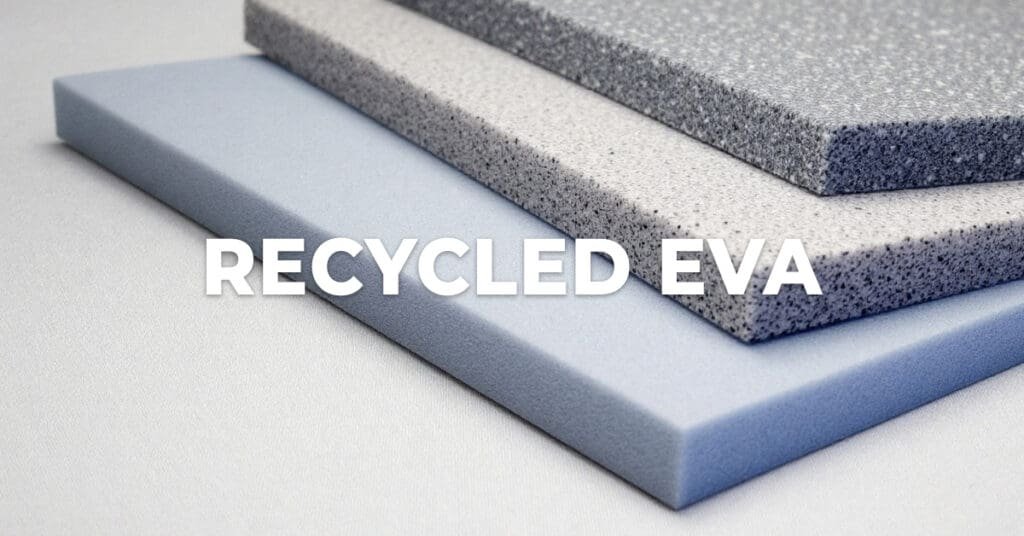
Introduction: Why EVA Recycling Matters in Footwear
EVA foam has become a cornerstone of modern footwear thanks to its lightweight cushioning and flexibility. However, traditional EVA production relies on virgin materials. Recycled EVA offers the same functional benefits while reducing waste and resource use.
Moreover, footwear brands now prioritize materials that balance performance with sustainability. As a result, recycled EVA often performs well during eco-conscious fashion audits, particularly in midsoles, footbeds, and sandals.
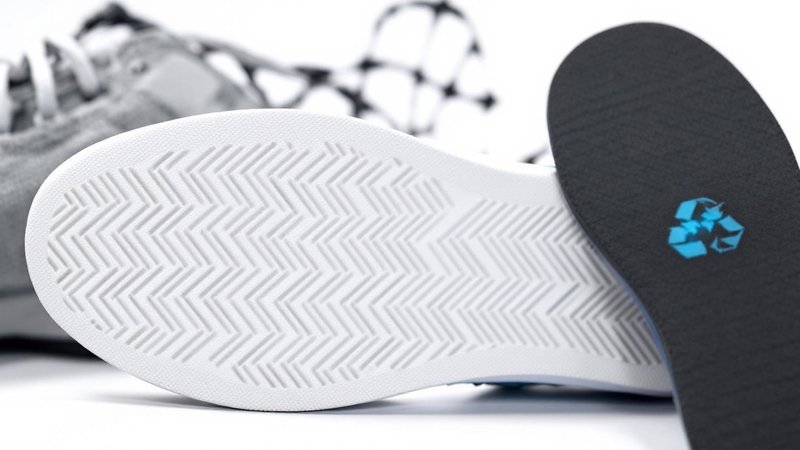
What Is Reprocessed EVA Foam?
Reprocessed EVA foam comes from EVA production waste or post-industrial scraps that are cleaned and reused. Unlike newly manufactured EVA, this approach reduces raw material demand while preserving functional performance.
Key characteristics include:
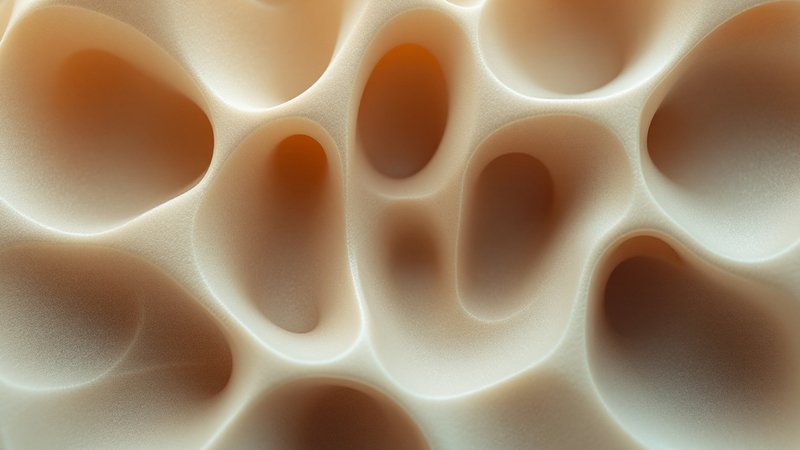
- Lightweight cellular structure
- Shock-absorbing comfort
- Flexible and resilient feel
- Reliable consistency when processed correctly
Because EVA can be remolded, it supports circular material systems.
How Recycled EVA Is Made
Manufacturers typically produce recycled EVA through:
- Collecting EVA waste and offcuts
- Cleaning and sorting material
- Grinding EVA into small particles
- Melting and reforming foam sheets or pellets
- Molding into midsoles, footbeds, or soles
As a result, waste EVA becomes usable cushioning material again.
Key Benefits of Reused EVA Foam in Shoes
Lightweight Cushioning
The foam retains its ability to absorb impact.
Flexibility and Comfort
Reused EVA bends naturally with foot movement.
Lower Environmental Impact
Reclaiming foam reduces landfill waste.
Efficient Resource Use
Reprocessing limits the need for new polymers.
Reprocessed EVA vs Traditional EVA Foam
| Feature | Reprocessed EVA | Traditional EVA |
|---|---|---|
| Raw material source | Reused foam | Virgin polymer |
| Cushioning | High | High |
| Weight | Lightweight | Lightweight |
| Environmental impact | Reduced | Higher |
| Typical use | Casual & lifestyle shoes | All footwear types |
As a result, both materials perform similarly, but reused foam reduces waste.
Where Reused EVA Performs Best
This foam material is commonly used in:
- Sandals and slides
- Footbeds
- Casual sneaker midsoles
- Recovery footwear
- Lightweight walking shoes
Therefore, it works best in comfort-focused designs.
Underfoot Feel and Comfort Experience
Shoes using reclaimed EVA material feel:
- Soft underfoot
- Lightweight during wear
- Flexible during walking
However, foam density and molding quality still determine final comfort.
Durability and Performance Over Time
High-quality reclaimed EVA compounds maintain resilience. Instead of collapsing quickly, well-processed foam preserves structure through repeated use.
With normal wear:
- Cushioning remains responsive
- Shape stays stable
- Compression occurs gradually
As a result, long-term performance remains reliable.
Care Tips for EVA-Based Footwear
Proper care helps maintain foam quality. For example:
- Avoid prolonged heat exposure
- Clean gently with mild soap
- Let footwear air dry
- Store away from direct sunlight
Sustainability Perspective
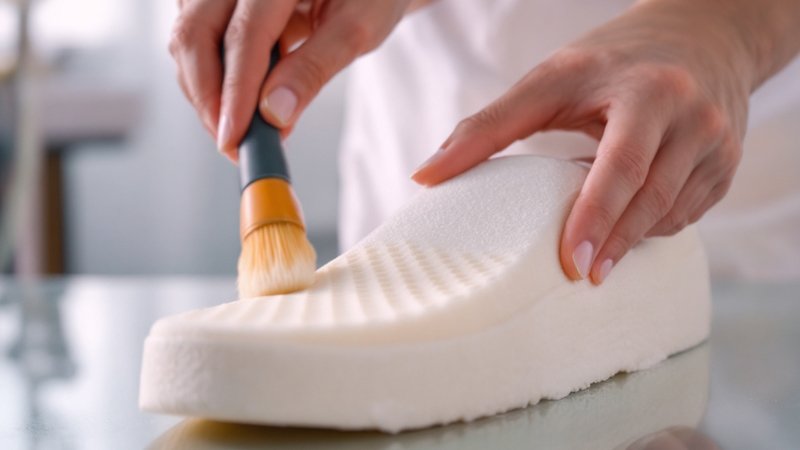
Reusing EVA foam reduces production waste and energy use. Because of this, it plays a meaningful role in circular footwear manufacturing.
During a sustainability-focused fashion audit, reclaimed EVA materials score well for waste reduction and responsible resource use.
When Reused EVA Foam Is the Right Choice
Choose footwear with reused EVA-based cushioning if you want:
- Lightweight everyday comfort
- Reduced environmental footprint
- Flexible and soft soles
- Modern casual styling
As a result, this material suits lifestyle and comfort-driven shoes.
Common Misconceptions to Avoid
However, many people:
- Assume reused foam is inferior
- Expect elite performance cushioning
- Expose foam to high heat
- Ignore construction quality
Avoiding these mistakes improves satisfaction.
FAQs
Q1: Does reused EVA foam feel different from new EVA?
Most users notice little to no difference.
Q2: Is reused EVA durable?
Yes, when properly processed.
Q3: Is this foam suitable for sports shoes?
It works best in casual and lifestyle footwear.
Q4: Is reused EVA sustainable?
It helps reduce waste and material consumption.
Q5: Where is reused EVA commonly used?
In midsoles, sandals, and footbeds.
Conclusion: Smart Cushioning with Reduced Impact
In conclusion, recycled EVA delivers lightweight comfort, flexibility, and reliable performance while supporting sustainability goals. Although it performs similarly to virgin EVA, its environmental advantages make it a smarter modern choice.
Ultimately, whether you’re selecting comfort footwear or reviewing materials during a thoughtful fashion audit, recycled EVA stands out as a practical and responsible material solution.