
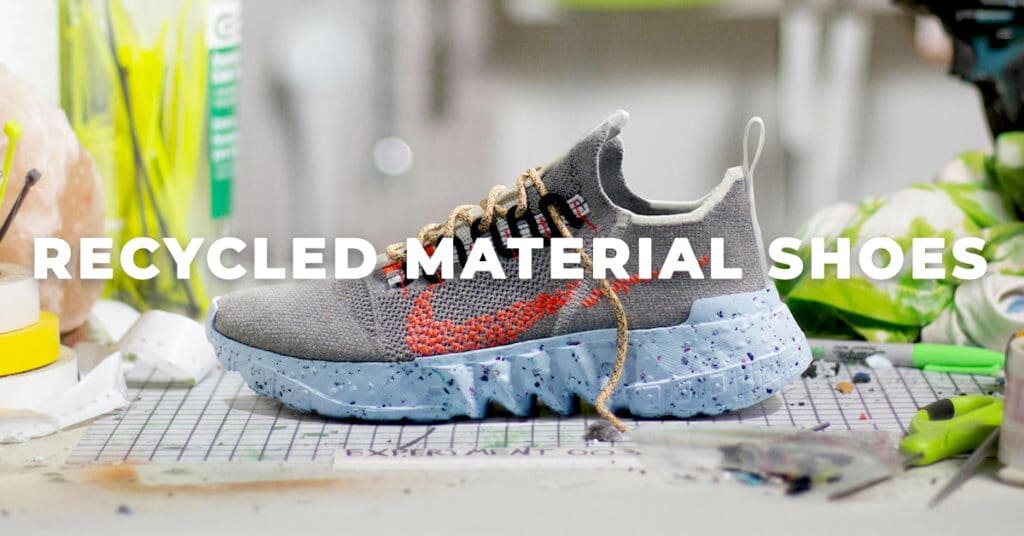
Introduction: Fashion’s Green Revolution Begins at Your Feet
In 2025, sustainability is no longer a fashion trend — it’s a movement. And one of the most impactful innovations leading this change is recycled material shoes.
From ocean plastics to repurposed rubber and plant-based fibers, footwear brands are turning waste into wearable art.
According to Fashion Audit, these shoes don’t just reduce environmental impact — they represent a cultural shift toward conscious style.
1. What Are Recycled Material Shoes?
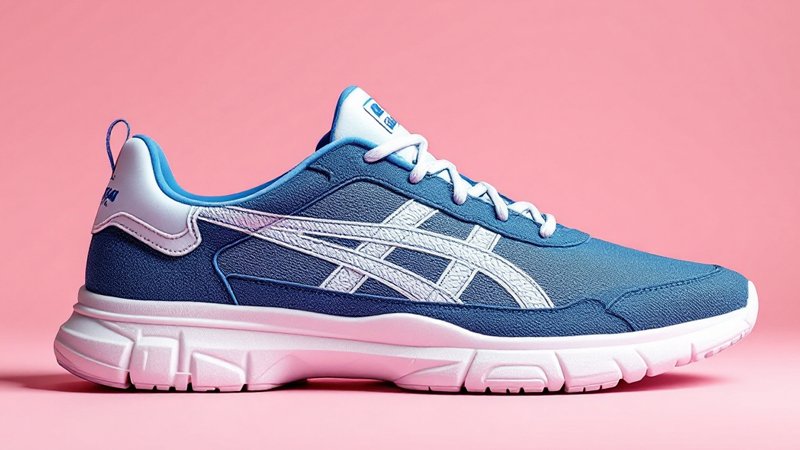
Recycled material shoes are footwear made from reused or repurposed materials, such as plastic bottles, old fabrics, rubber soles, and industrial waste.
Instead of relying on virgin materials, brands collect discarded resources and transform them into durable, stylish, and eco-friendly footwear.
Fashion Audit Insight: Each pair of recycled shoes tells a story — of innovation, conservation, and creativity.
2. Why Recycled Shoes Matter in 2025
The global footwear industry produces over 22 billion pairs of shoes annually, contributing heavily to landfill waste and carbon emissions.
Recycling materials helps:
- Reduce plastic and fabric waste.
- Lower carbon footprint of production.
- Save water and energy used in virgin material manufacturing.
- Promote circular fashion economies.
Fashion Audit Note: Recycled material shoes are not only stylish — they’re a direct response to fast fashion’s environmental costs.
3. Materials Commonly Used in Recycled Material Shoes
1. Recycled Plastic (PET Bottles)
Plastic bottles are shredded, melted, and spun into fibers that resemble polyester.
Used In: Sneaker uppers, linings, and straps.
Benefits: Lightweight, durable, and water-resistant.
Fashion Audit Tip: Brands like Adidas and Allbirds lead with ocean plastic shoes, merging innovation with responsibility.
2. Recycled Rubber
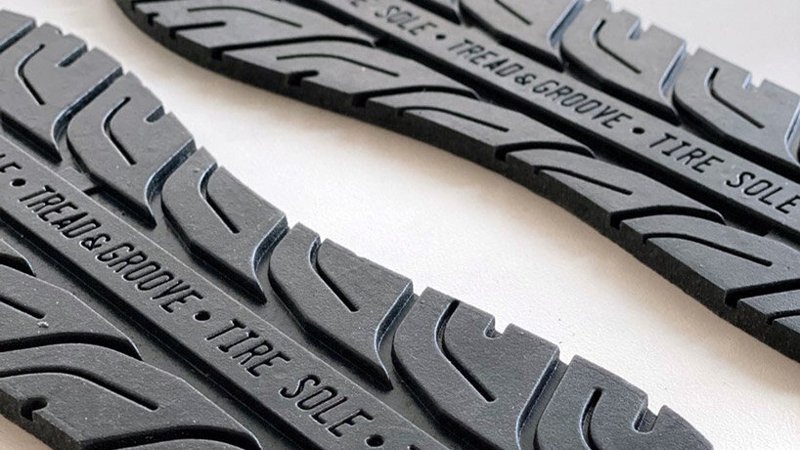
Collected from old tires and worn-out soles, recycled rubber becomes new outsoles.
Used In: Soles of sneakers, boots, and sandals.
Benefits: Excellent grip, shock absorption, and durability.
3. Recycled EVA Foam
EVA waste from factories or post-consumer shoes is reprocessed into new midsoles.
Used In: Sneakers, running shoes, and slides.
Benefits: Lightweight cushioning with reduced environmental impact.
4. Recycled Fabrics
Old clothes, denim, and textile scraps are shredded into fibers and woven into breathable uppers.
Used In: Casual shoes and slip-ons.
Benefits: Soft texture and unique, sustainable aesthetics.
5. Recycled Leather and Synthetic Leather
Made by reconstituting leather scraps or synthetic alternatives with plant-based resins.
Used In: Formal and luxury shoes.
Benefits: Reduced animal waste and sustainable production.
Fashion Audit Observation: Recycled leather bridges the gap between tradition and technology — heritage materials reimagined for a greener era.
6. Recycled Ocean Plastics
Plastics retrieved from oceans are processed into durable fibers used for shoes and accessories.
Benefits: Cleans marine environments and supports global cleanup efforts.
4. How Recycled Material Shoes Are Made
- Collection: Sourcing discarded materials (plastic, rubber, textiles).
- Processing: Cleaning, shredding, and melting to form new usable material.
- Production: Creating fibers, foams, and soles for shoe construction.
- Assembly: Shoes are stitched or fused with eco-friendly adhesives.
Fashion Audit Note: Sustainable manufacturing focuses on low-emission techniques and waste minimization.
5. Performance Comparison: Recycled vs Traditional Shoes
| Feature | Recycled Material Shoes | Traditional Shoes |
|---|---|---|
| Environmental Impact | Low | High |
| Durability | High | High |
| Comfort | Excellent (with foam tech) | Excellent |
| Cost | Slightly higher initially | Standard |
| Aesthetic Variety | Modern & unique | Traditional |
| Ethical Value | High | Variable |
Fashion Audit Insight: Modern recycled shoes rival traditional designs — in comfort, performance, and even luxury appeal.
6. Sustainable Midsole & Sole Innovations
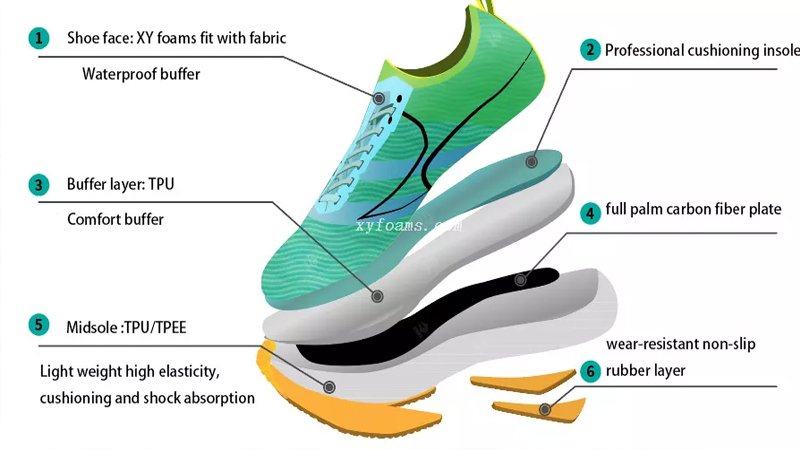
Many recycled material shoes also incorporate eco-foam technologies like:
- Recycled EVA midsoles: Lightweight and responsive.
- Sugarcane-based foam: Renewable and carbon-neutral.
- Natural rubber compounds: Recycled for non-slip traction.
7. Leading Brands Using Recycled Materials (2025)
| Brand | Material Used | Highlight |
|---|---|---|
| Adidas | Ocean plastic, recycled polyester | Parley collaboration |
| Nike | Recycled foam & rubber | Move to Zero initiative |
| Allbirds | Sugarcane, recycled bottles | Carbon-neutral footwear |
| Rothy’s | Recycled plastics | 3D-knitted shoes |
| Veja | Recycled cotton, wild rubber | Ethical sneakers |
| Reebok | Plant-based & recycled synthetics | Eco Collection |
| H&M | Recycled leather | Affordable sustainable fashion |
Fashion Audit Forecast: By 2026, over 60% of major footwear collections will feature recycled or renewable materials.
8. Sustainability Certifications and Standards
Recycled material shoes often follow global sustainability benchmarks such as:
- Global Recycled Standard (GRS)
- OEKO-TEX Certified
- Leather Working Group (LWG)
- B Corp Certification
These ensure transparency in sourcing, ethical labor, and minimal waste.
9. Benefits of Recycled Material Shoes
- Reduce landfill and ocean waste.
- Save natural resources like water and oil.
- Support ethical manufacturing.
- Offer unique textures and colors.
- Promote circular economy systems.
Fashion Audit Observation: Each eco-shoe is more than a product — it’s a commitment to the planet’s future.
10. Limitations of Recycled Material Shoes
- Higher production costs.
- Limited availability in certain regions.
- Quality variation based on material source.
Pro Tip: Always check for certified recycled content to ensure genuine sustainability claims.
11. How to Care for Recycled Shoes
- Clean gently with natural detergents.
- Avoid machine drying — air dry instead.
- Store away from direct sunlight.
- Recycle or donate after long use.
Fashion Audit Tip: Proper care extends both product life and environmental benefits.
12. The Future of Recycled Material Footwear
Emerging trends shaping the next wave of sustainable shoes:
- Closed-loop recycling systems.
- Bio-based hybrid materials.
- AI-assisted material sorting.
- 3D-printed recycled fibers.
As technology evolves, recycled material shoes will soon match — or exceed — the performance of traditional designs.
FAQs About Recycled Material Shoes
1. Are recycled shoes durable?
Yes, modern recycled materials like PET and rubber are highly durable and tested for longevity.
2. Are they comfortable?
With foam midsoles and breathable fabrics, recycled shoes match the comfort of premium footwear.
3. Can they be recycled again?
Yes, most brands now design for second-life recycling under circular programs.
4. Are recycled shoes expensive?
Initially higher, but long-term savings come from durability and environmental value.
5. Does Fashion Audit recommend recycled shoes?
Absolutely — Fashion Audit supports sustainable choices that balance ethics, comfort, and design.
Conclusion: Walking Toward a Cleaner Future
Every step in recycled material shoes is a step toward a cleaner planet.
They symbolize innovation, awareness, and responsibility — proving fashion and sustainability can coexist beautifully.
As Fashion Audit perfectly puts it:
“Style isn’t just about what you wear — it’s about what you stand for.”
Disclaimer:
All trademarks, logos, product names, and brand identifiers mentioned on FashionAudit.com are the property of their respective owners. They are used solely for the purpose of product review, comparison, and consumer information. FashionAudit.com does not claim any ownership of these marks.
No copyright or trademark infringement is intended. If any brand or rights holder believes their intellectual property has been misused, they can contact us directly and we will address the issue promptly.