
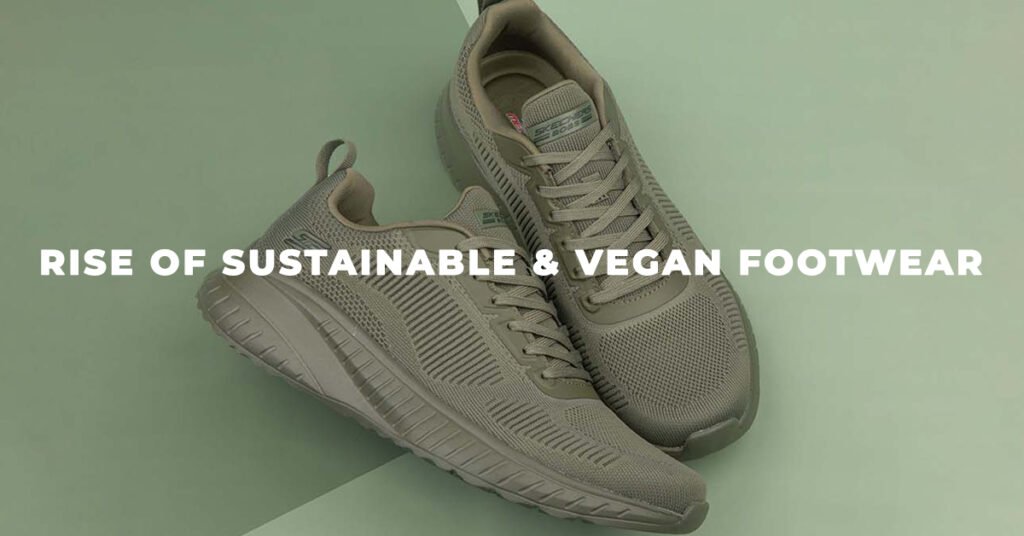
Introduction: Why Sustainable Footwear Matters Today
The Rise of Sustainable & Vegan Footwear marks one of the biggest shifts in the global shoe industry. For decades, traditional leather and synthetic materials dominated footwear. But as awareness grew about pollution, animal welfare, and climate change, consumers started demanding cleaner, safer, kinder alternatives.
Today, sustainable and vegan shoes are no longer niche—they are a fast-growing category driven by innovation, technology, and conscious living.
As Fashion Audit explains,
“Sustainable footwear reflects a new era where comfort, ethics, and technology work together for a better future.”
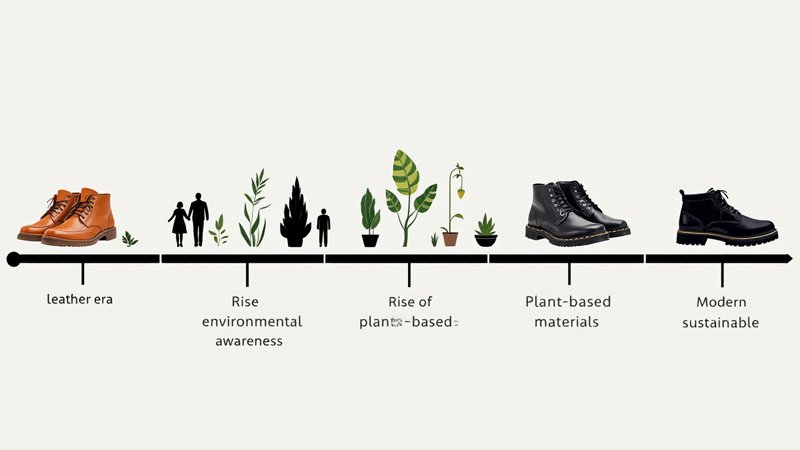
Early Footwear Materials: The Leather-First Era
Traditional Leather Production
For hundreds of years, leather was the main footwear material across the world. Its durability and strength made it ideal for daily use, travel, and work. From handcrafted juttis in India to premium European boots, leather was the center of footwear design.
Craftsmanship vs Sustainability
While leather-making was a proud tradition, traditional tanning methods produced significant waste, toxic dyes, and environmental damage. Over time, as footwear demand grew, so did the industry’s environmental impact.
This set the stage for the Rise of Sustainable & Vegan Footwear.

Environmental Problems That Triggered Change
Leather Waste & Pollution Concerns
By the late 20th century, governments and researchers began highlighting issues like:
- toxic chemical waste from tanneries
- greenhouse gas emissions
- animal welfare concerns
- water pollution from leather dyes
Footwear companies realized the need for alternatives.
Rise of Consumer Awareness
Documentaries, social media, and environmental studies brought global attention to the impact of leather and synthetic plastics. Younger shoppers, especially Gen Z, started demanding cruelty-free and eco-friendly choices.
Consumers shaped the market, leading directly to the Rise of Sustainable & Vegan Footwear.
The Birth of Sustainable Footwear (1990–2010)
Early Eco-Friendly Experiments
The 1990s saw small brands experimenting with:
- organic cotton
- natural rubber
- recycled rubber soles
- hemp-based fabrics
These early efforts were modest but set a foundation.
Rise of Recycled & Natural Fibers
By the 2000s, major brands began adopting eco materials. Companies introduced:
- recycled PET bottles
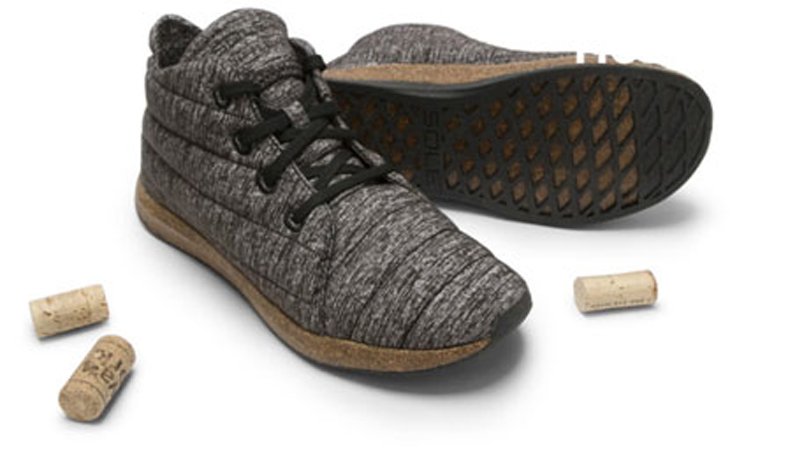
- cork
- jute
- wool blends
- bamboo fiber
This decade marked the turning point for sustainable design.
Vegan Footwear Enters the Market
What Makes Footwear Vegan?
Vegan shoes avoid all animal-based materials, including:
- leather
- suede
- wool
- glue made from animal by-products
Instead, they use synthetic and plant-based alternatives.
Pioneers of Vegan Footwear
Brands like Vegetarian Shoes, Beyond Skin, and Wills Vegan Store were early leaders. They proved that vegan shoes could be stylish, durable, and comfortable.
The movement slowly grew into a mainstream trend.
Material Innovations Transforming the Industry
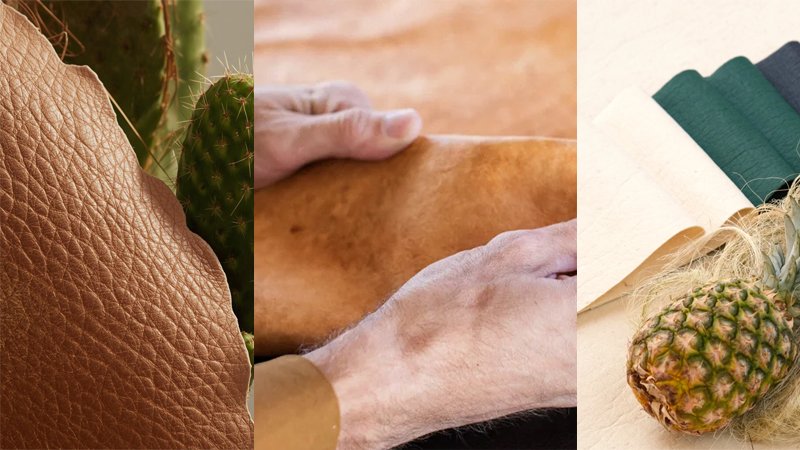
Plant-Based Leather Alternatives
Some of the most impressive materials in footwear history include:
- Pineapple Leaf Leather (Piñatex)
- Mushroom Leather (Mylo)
- Cactus Leather
- Banana Fiber Leather
- Coconut & Apple Waste Leather
These materials look and feel like leather—without harming animals.
Recycled Plastics & Ocean Waste
Adidas and other brands now use recycled ocean plastic to create shoe uppers.
Natural Rubber & Organic Cotton
Eco-conscious brands prefer these materials for lightweight, breathable designs.
The Rise of Indian Sustainable Footwear Brands
India’s footwear industry has embraced sustainability faster than expected, leading to the creation of powerful brands.
Neeman’s
Known for wool, eucalyptus fibers, and recycled materials.
Lightweight and ultra-comfortable.
Thaely
Uses recycled plastic bags and bottles to make vegan sneakers.
A global success story.
Paaduks
Uses upcycled rubber, tire soles, and plant-based materials.
Focused on craftsmanship and sustainable design.
As Fashion Audit notes,
“Indian startups played a major role in modernizing the sustainable footwear movement.”

Global Brands Driving the Sustainability Movement
Adidas
Adidas Parley collection uses ocean plastic.
Also experimenting with biodegradable shoes.
Nike
Nike Grind program uses recycled foam and rubber waste.
“Move to Zero” focuses on reducing carbon footprint.
Allbirds
Known globally for wool runners and sugarcane soles—one of the most iconic eco footwear brands.
How Consumer Behavior Changed Footwear Demands
Gen Z & Eco-Conscious Shopping
Younger shoppers care deeply about sustainability, cruelty-free materials, and environmental impact.
The Minimalist Lifestyle Influence
Many consumers now prefer:
- fewer shoes
- better quality
- ethical sources
The Rise of Sustainable & Vegan Footwear reflects this shift.
Challenges in Sustainable & Vegan Footwear
Cost of Production
Eco materials like plant leather can be expensive to produce.
Durability Concerns
Some eco materials need better waterproofing and longevity.
Still, innovation is improving these challenges each year.
The Future of Sustainable Footwear (2025 & Beyond)
Biodegradable Shoes
Several brands are testing shoes that naturally break down over time.
AI-Based Design & Low-Waste Manufacturing
AI is helping brands reduce waste and create better-fitting shoes.
The future is cleaner, smarter, and more ethical.
FAQs About the Rise of Sustainable & Vegan Footwear
1. What started the sustainable footwear movement?
Environmental issues, animal welfare, and consumer awareness.
2. What materials do vegan shoes use?
Plant leather, organic cotton, recycled plastics, natural rubber.
3. Are sustainable shoes durable?
Modern advancements have improved durability greatly.
4. Which Indian brands lead sustainability?
Neeman’s, Thaely, and Paaduks.
5. Does Fashion Audit support sustainable footwear?
Yes. Fashion Audit encourages eco-friendly and cruelty-free fashion choices.
Conclusion: A Greener Path for Footwear Industry
The Rise of Sustainable & Vegan Footwear shows how the world is shifting toward conscious fashion. From plant-based leather to 3D-printed soles, the future of footwear is ethical, innovative, and environmentally responsible.
As Fashion Audit concludes,
“Sustainable footwear is more than a trend—it’s a movement toward a better, cleaner world.”
Disclaimer:
All trademarks, logos, product names, and brand identifiers mentioned on FashionAudit.com are the property of their respective owners. They are used solely for the purpose of product review, comparison, and consumer information. FashionAudit.com does not claim any ownership of these marks.
No copyright or trademark infringement is intended. If any brand or rights holder believes their intellectual property has been misused, they can contact us directly and we will address the issue promptly.