
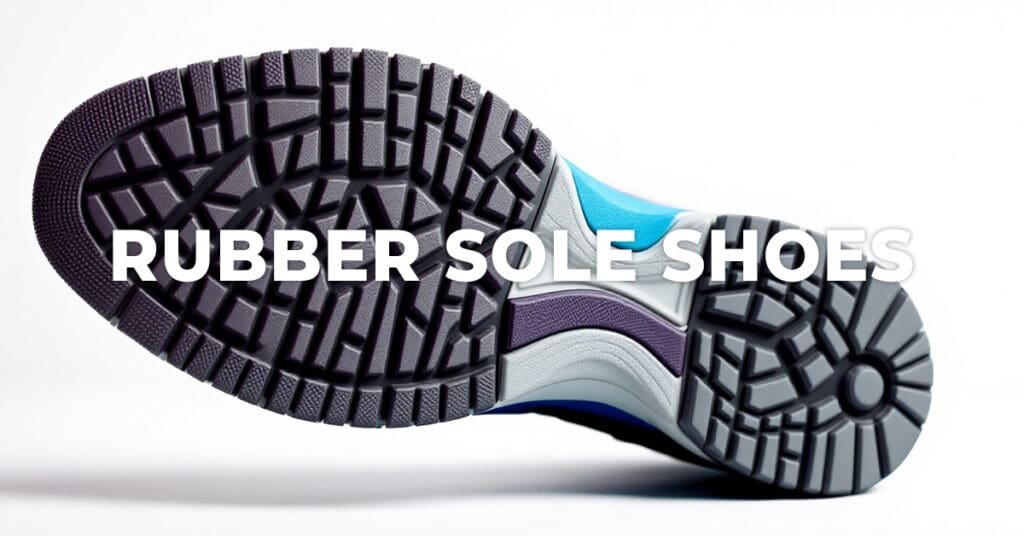
Introduction: Why Rubber Soles Are Widely Trusted
Shoe soles play a critical role in comfort and safety. However, not all sole materials provide the same level of grip and durability. Rubber sole shoes remain popular because they deliver reliable traction, flexibility, and long-lasting performance.
Moreover, rubber soles adapt well to different surfaces, from city streets to wet floors. As a result, understanding this sole material helps you choose practical footwear—especially when evaluating safety and durability during a thoughtful fashion audit.
What Are Rubber Sole Shoes?
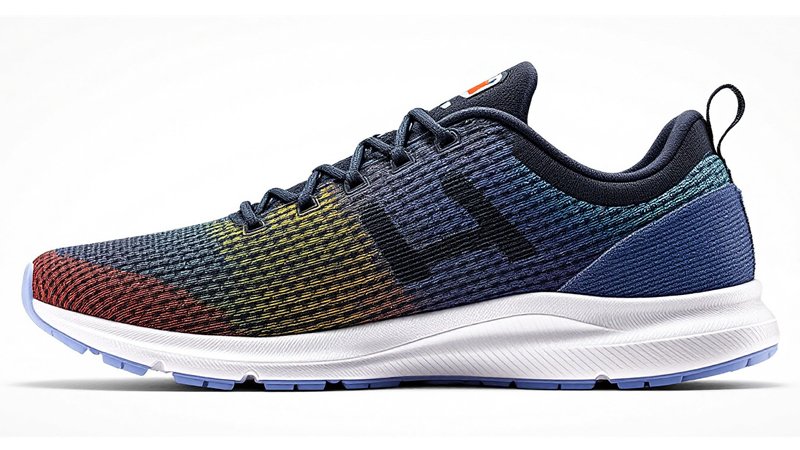
Rubber sole shoes feature outsoles made from natural or synthetic rubber compounds. Manufacturers design rubber soles to provide traction, shock absorption, and flexibility.
Common rubber sole types include:
- Natural rubber soles
- Synthetic rubber soles
- Carbon rubber outsoles
- Rubber blends with traction patterns
Because rubber grips surfaces well, it enhances stability during walking.
How Rubber Shoe Soles Are Made
Manufacturers create rubber soles through:
- Mixing rubber compounds
- Heating and molding the material
- Shaping tread patterns for grip
- Attaching the sole to the upper
As a result, rubber soles achieve consistent performance and durability.
Key Benefits of Rubber Sole Footwear
Excellent Grip and Traction
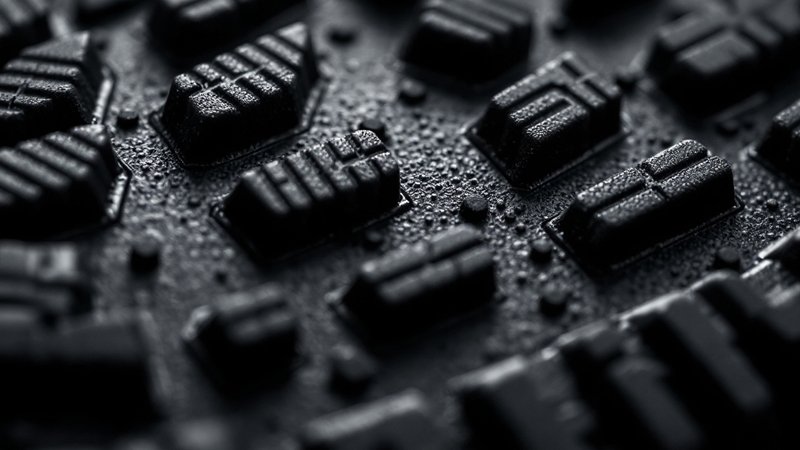
Rubber grips smooth and uneven surfaces. Therefore, it reduces slipping risk.
Strong Durability
Rubber resists abrasion and daily wear.
Flexible Movement
The material bends naturally with foot motion.
Shock Absorption
Rubber cushions impact during walking and running.

Rubber Soles vs EVA Soles
| Feature | Rubber Sole | EVA Sole |
|---|---|---|
| Grip | High | Moderate |
| Durability | High | Moderate |
| Cushioning | Firm | Soft |
| Weight | Heavier | Lightweight |
| Best use | Outdoor & daily | Comfort & casual |
As a result, rubber soles suit durability-focused footwear.
Where Rubber Sole Shoes Are Commonly Used
Manufacturers often use rubber soles in:
- Casual everyday shoes
- Sports and training footwear
- School and work shoes
- Outdoor and walking shoes
- Slip-resistant footwear
Therefore, rubber soles fit both active and daily use.
How Rubber Soles Perform Over Time
Rubber soles age gradually. Instead of breaking suddenly, they wear down slowly.
Over time:
- Tread patterns flatten
- Grip remains reliable
- Flexibility stays consistent
As a result, quality rubber soles last for years with normal use.
How to Care for Rubber Sole Shoes
Simple care extends sole life. For example:
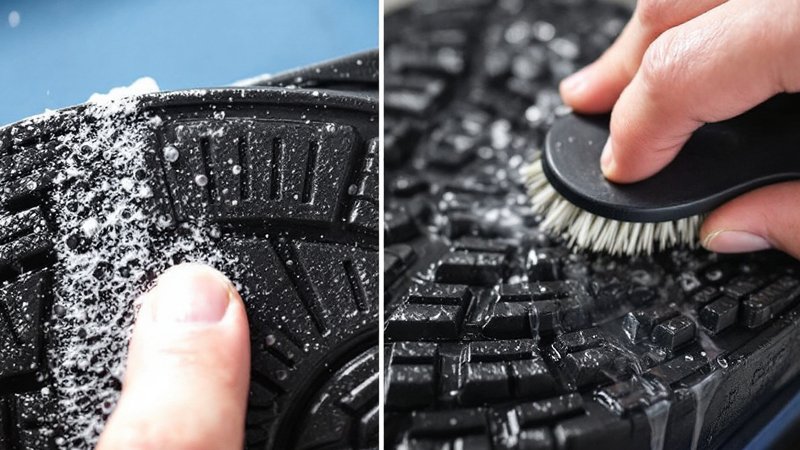
- Clean dirt from tread grooves
- Rinse soles after outdoor use
- Dry at room temperature
- Avoid prolonged heat exposure
Are Rubber Sole Shoes Comfortable for Daily Wear?
Yes, especially when combined with cushioned midsoles. However, rubber alone feels firmer than foam materials.
Best suited for:
- Daily walking
- Outdoor activities
- Work and school wear
- Wet or slippery environments
They may feel heavier than foam-based shoes.
Sustainability Perspective
Natural rubber comes from renewable sources, while synthetic rubber offers long lifespan. Durable soles reduce replacement frequency.
Because of this, rubber-soled footwear often performs well during a durability-focused fashion audit, especially when longevity and safety matter.
When Rubber Sole Shoes Are the Right Choice
Choose rubber-soled footwear if you want:
- Reliable grip
- Long-lasting durability
- Slip resistance
- Everyday practicality
As a result, rubber soles remain a dependable option for daily life.
Common Mistakes to Avoid
However, many people:
- Ignore worn-out tread
- Store shoes in extreme heat
- Expect ultra-lightweight feel
- Skip sole cleaning
Avoiding these mistakes extends shoe life.
FAQs
Q1: Are rubber sole shoes slip-resistant?
Yes, rubber provides excellent traction.
Q2: Are rubber soles durable?
Yes, they resist abrasion well.
Q3: Do rubber soles work in rain?
Yes, they perform well on wet surfaces.
Q4: Are rubber soles heavy?
They are heavier than EVA but more durable.
Q5: Are rubber soles good for daily wear?
Yes, they suit everyday use.
Conclusion: A Reliable Foundation for Everyday Footwear
In conclusion, rubber sole shoes deliver grip, durability, and dependable performance across daily environments. While they may weigh slightly more than foam soles, they excel in safety and longevity.
Ultimately, whether you’re choosing everyday footwear or reviewing sole performance during a thoughtful fashion audit, rubber soles provide a strong and reliable foundation.