Introduction: Why the Sole Material Matters
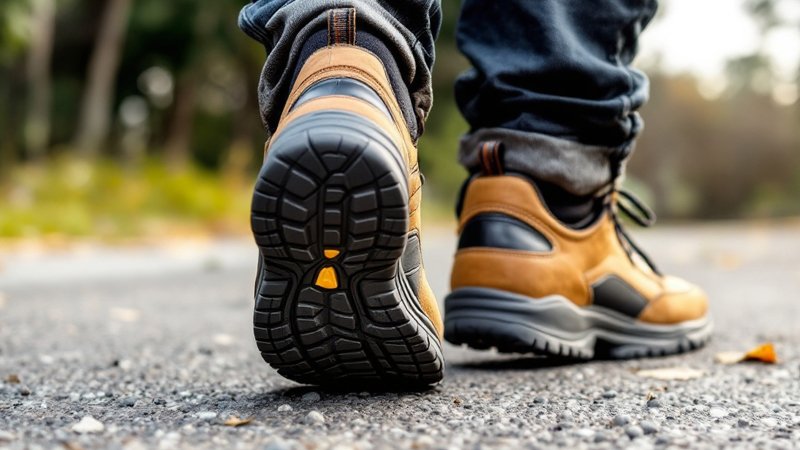
When buying footwear, most shoppers focus on style, color, or brand. However, the sole plays a critical role in how a shoe performs. Understanding the rubber sole shoes meaning helps you evaluate comfort, traction, and long-term durability before making a purchase.
Rubber has been a trusted outsole material for decades. Manufacturers rely on it because it offers flexibility, grip, and wear resistance. As a result, many athletic, casual, and work shoes use rubber in their bottom construction.
Rubber Sole Shoes Meaning Explained Clearly
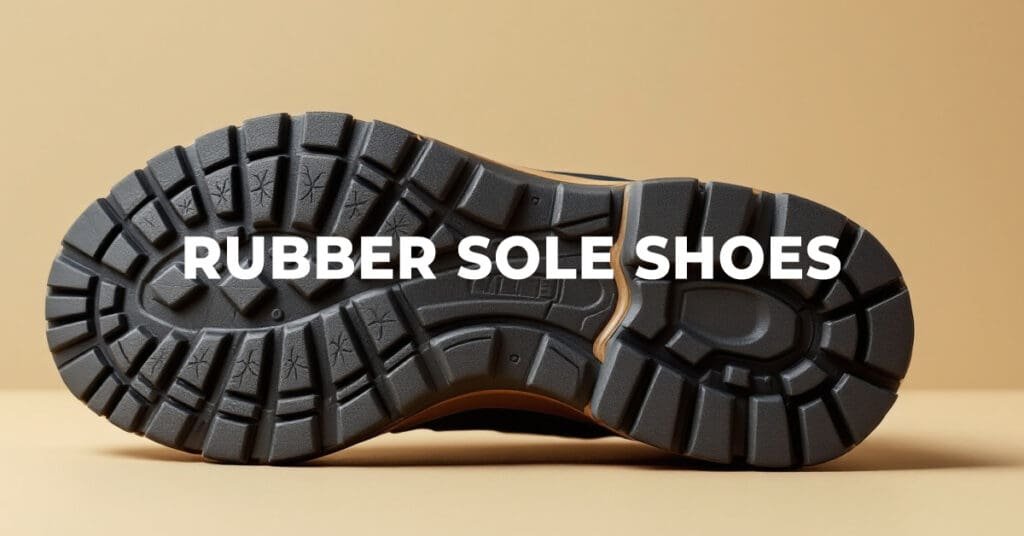
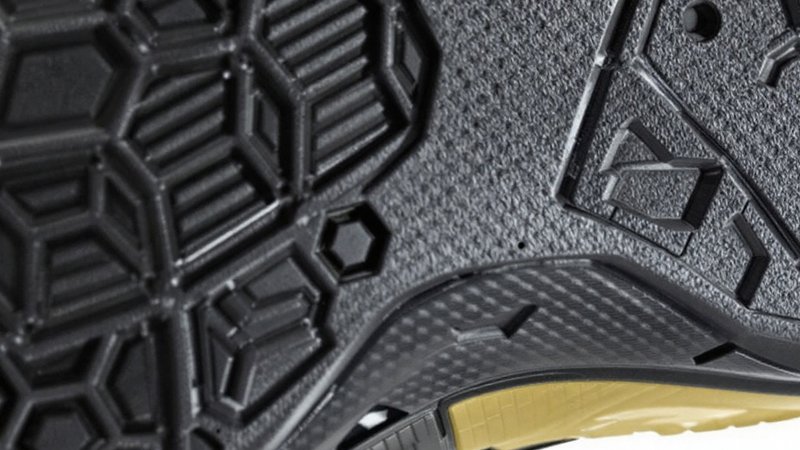
At its simplest, this term refers to footwear that uses rubber as the main outsole material—the bottom layer that touches the ground.
Unlike leather or hard plastic soles, rubber provides:
- Strong traction
- Flexible movement
- Impact absorption
- Water resistance
Because the outsole directly affects walking safety and comfort, rubber remains one of the most widely used materials in the footwear industry.
Why Brands Choose Rubber for Outsoles
Manufacturers prioritize performance and reliability. Rubber offers several functional advantages.
1. Reliable Grip
Rubber creates friction against smooth and rough surfaces. This reduces slipping and increases safety.
2. Flexible Structure
It bends naturally with your foot. That flexibility improves comfort during long periods of walking.
3. Shock Reduction
Rubber absorbs impact when your heel strikes the ground.
4. Weather Resistance
Unlike leather soles, rubber resists moisture and performs well in wet conditions.
Different Types of Rubber Used in Shoes
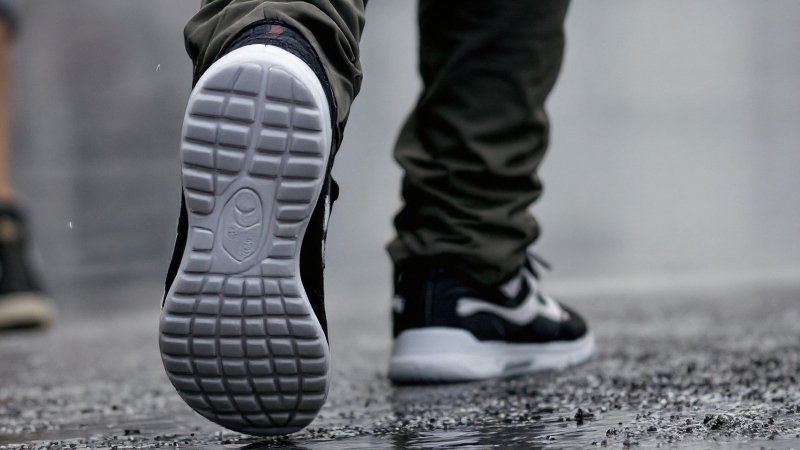
Not all rubber compounds perform the same. Manufacturers adjust formulas depending on shoe type.
Natural Rubber
Derived from rubber trees. It offers flexibility and strong grip.
Synthetic Rubber
Engineered for durability and weather resistance.
Carbon Rubber
Dense and abrasion-resistant. Often placed in high-wear areas.
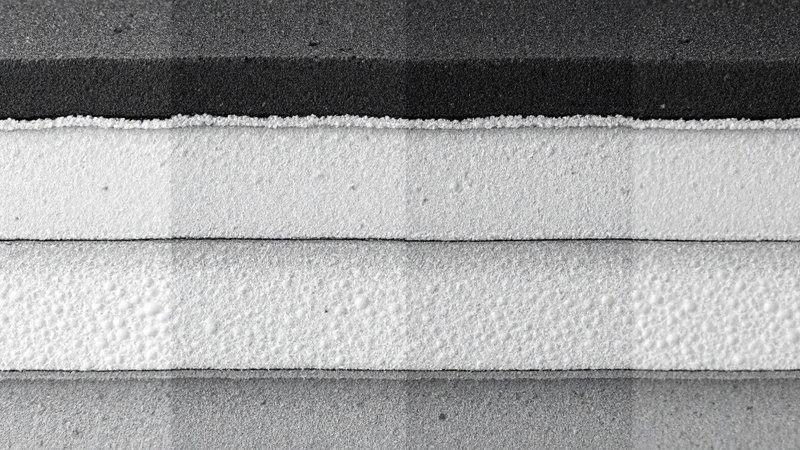
Blown Rubber
Lighter and softer. Common in running footwear.
Rubber Sole vs Other Sole Materials
| Feature | Rubber Sole | Leather Sole | PVC Sole |
|---|---|---|---|
| Traction | High | Moderate | Moderate |
| Flexibility | Good | Limited | Moderate |
| Durability | Strong | Moderate | Moderate |
| Water Resistance | Excellent | Low | Good |
Therefore, rubber outsoles typically offer better grip and versatility than many alternatives.
Where Rubber Soles Are Commonly Used
You will often find rubber soles in:
- Sneakers
- Running shoes
- Work boots
- School shoes
- Hiking footwear
- Casual daily shoes
Because of its adaptability, rubber works well across different environments and lifestyles.
Comfort and Daily Performance
Rubber contributes to comfort by:
- Reducing ground impact
- Allowing natural movement
- Supporting stable footing
- Improving walking confidence
However, comfort also depends on cushioning layers like midsoles and insoles.
Durability and Wear Resistance
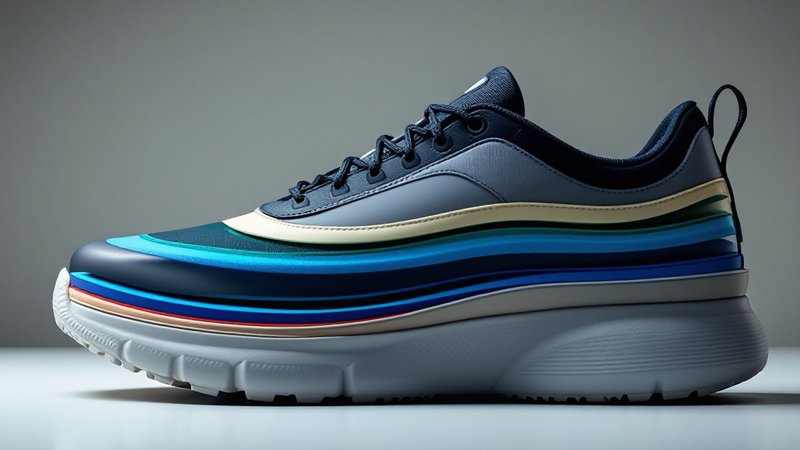
High-quality rubber resists abrasion from concrete and rough surfaces. Instead of cracking quickly, it maintains flexibility and traction over time.
When properly designed:
- Tread patterns remain effective
- The sole resists tearing
- Performance stays consistent
Durability extends the overall lifespan of the shoe.
Sustainability Factors
Natural rubber is renewable, while synthetic rubber relies on petroleum-based compounds. Some manufacturers now incorporate recycled rubber to reduce environmental impact.
During a professional fashion audit, outsole durability and sourcing practices often influence sustainability evaluation.
Common Misunderstandings
Many people believe:
- Rubber soles are always heavy
- Rubber is only used in sports shoes
- All rubber types perform the same
- Rubber cannot look stylish
In reality, modern compounds allow for lightweight and fashionable designs.
When Rubber Soles Make the Most Sense
Rubber outsoles are ideal if you need:
- Strong traction
- Everyday reliability
- Slip resistance
- Long-term durability
They work especially well for urban environments and active use.
FAQs
Q1: What does rubber sole shoes meaning refer to?
It refers to shoes that use rubber as the primary outsole material.
Q2: Are rubber soles better than leather soles?
Rubber generally offers better grip and water resistance.
Q3: Do rubber soles wear out quickly?
High-quality rubber lasts a long time under normal use.
Q4: Are rubber soles good for rainy weather?
Yes, they provide better traction on wet surfaces.
Q5: Are all rubber soles the same?
No, different compounds vary in density, flexibility, and durability.
Conclusion: A Smart and Practical Sole Choice
Understanding rubber sole shoes meaning helps you recognize why rubber remains one of the most trusted outsole materials in footwear. It delivers grip, flexibility, and durability in a wide range of shoe types.
Whether you are selecting daily sneakers or evaluating construction quality during a detailed fashion audit, knowing the outsole material gives you valuable insight into overall performance.