
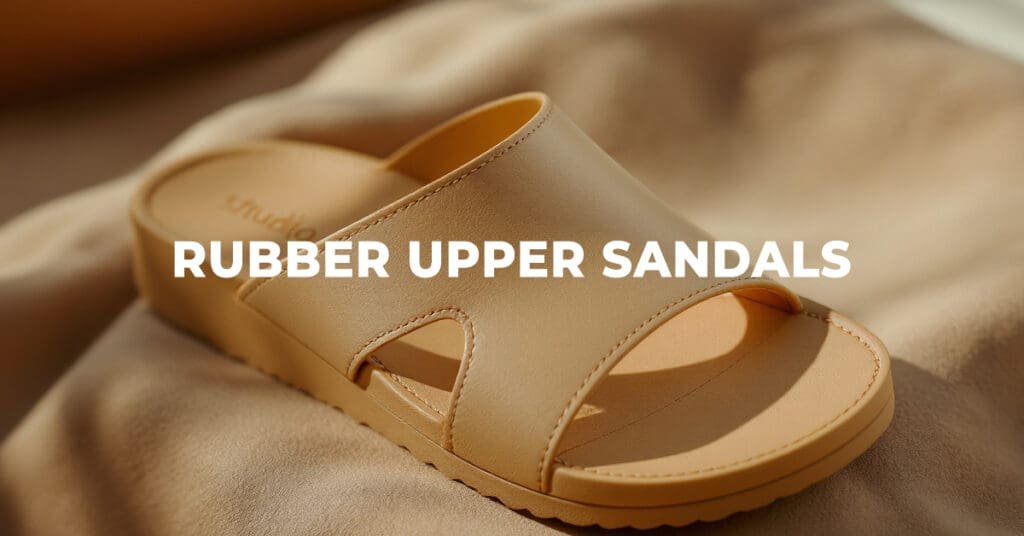
Introduction: Why Rubber Upper Sandals Remain a Practical Favorite
Comfort and durability matter most in everyday sandals. However, not all materials handle water, heat, and repeated use equally well. Rubber upper sandals continue to stay popular because they offer excellent grip, flexibility, and water resistance.
Moreover, rubber works well in casual, outdoor, and wet environments. As a result, understanding this material helps you choose dependable sandals—especially when reviewing functional footwear during a thoughtful fashion audit.
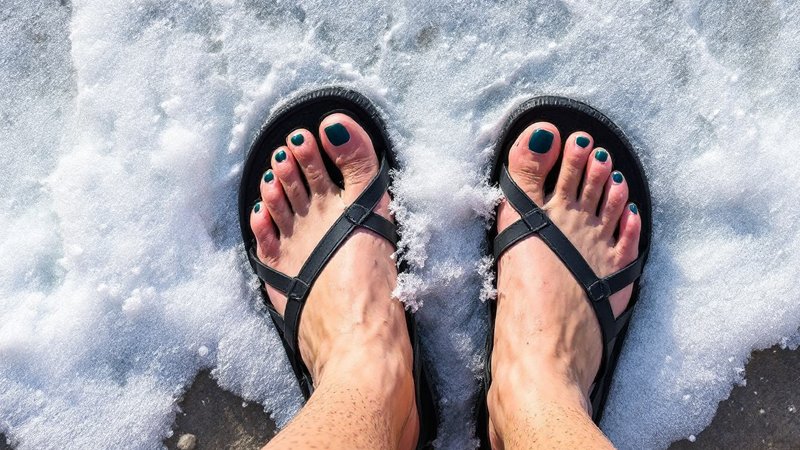
What Are Rubber Upper Sandals?
Rubber upper sandals use natural or synthetic rubber for the straps or full upper structure. Unlike foam-based materials, rubber provides stronger grip, elasticity, and abrasion resistance.
Common rubber upper styles include:
- Molded rubber straps
- Textured rubber bands
- Adjustable rubber uppers
- One-piece rubber constructions
Because rubber stretches and rebounds well, it adapts comfortably to foot movement.
How Manufacturers Make Rubber Sandal Uppers
Producers shape rubber uppers through:
- Mixing rubber compounds
- Heating and molding the material
- Compression or injection molding
- Attaching the upper to the sole
As a result, rubber uppers achieve durability with consistent flexibility.
Key Benefits of Rubber Upper Sandals
Excellent Water Resistance
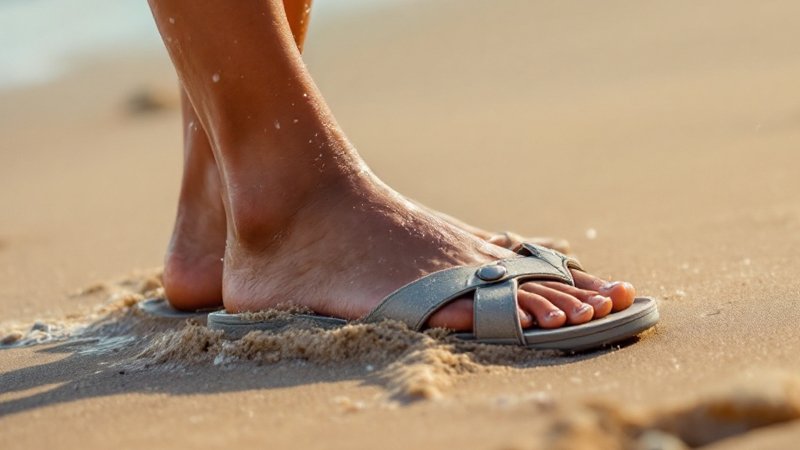
Rubber repels water completely. Therefore, it works well for beach and pool use.
Strong Grip and Stability
The material prevents slipping on wet surfaces.
Flexible Yet Tough Feel
Rubber bends with movement while resisting wear.
Easy Maintenance
A quick rinse removes dirt and sand.
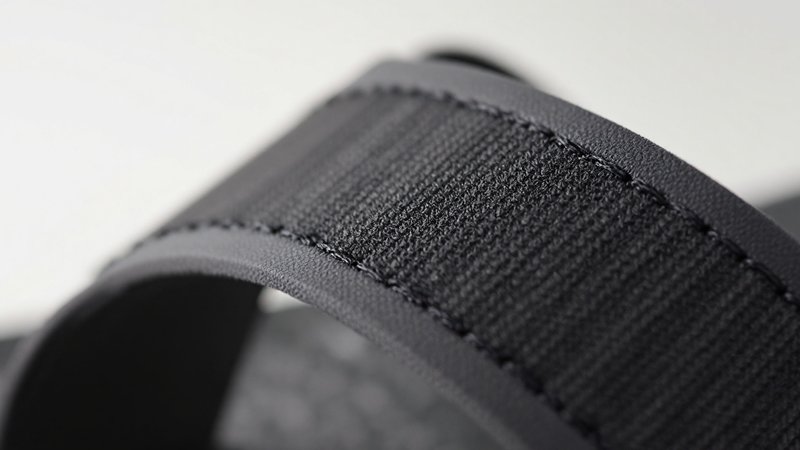
Rubber Upper Sandals vs EVA Upper Sandals
| Feature | Rubber Upper | EVA Upper |
|---|---|---|
| Grip | High | Moderate |
| Cushioning | Firm | Soft |
| Flexibility | High | Very high |
| Water resistance | Excellent | Excellent |
| Durability | High | Moderate |
| Weight | Heavier | Very light |
As a result, rubber suits durability-focused use better.
Where Rubber Upper Sandals Are Commonly Used
Manufacturers often use rubber uppers in:
- Beach sandals
- Poolside footwear
- Outdoor casual sandals
- Utility and garden sandals
- Rain-friendly footwear
Therefore, rubber fits wet and outdoor environments perfectly.
How Rubber Upper Sandals Perform Over Time
Rubber ages gradually. Instead of tearing easily, it may harden slightly with extended exposure to heat.
Over time:
- Grip remains effective
- Flexibility reduces slowly
- Surface may dull
As a result, proper storage extends usability.
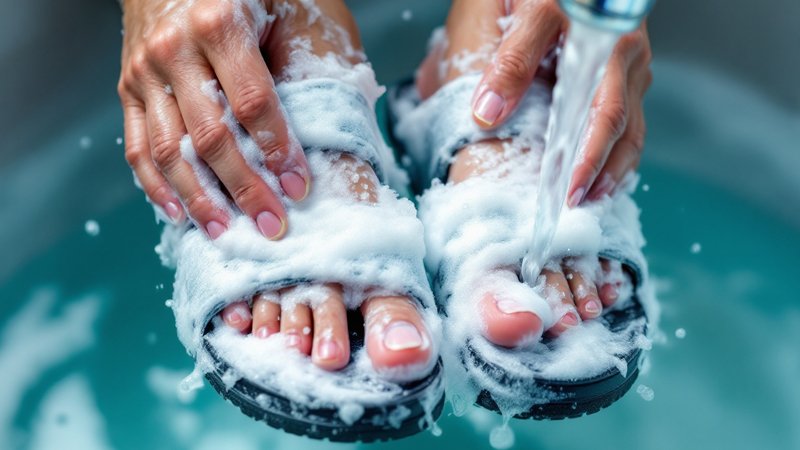
How to Care for Rubber Upper Sandals
Simple care keeps rubber sandals functional. For example:
- Rinse with clean water
- Wash with mild soap
- Dry at room temperature
- Store away from direct sunlight
Are Rubber Upper Sandals Comfortable for Daily Wear?
Rubber provides firmness rather than plush softness. However, many designs include padded footbeds for comfort.
Best suited for:
- Short to moderate wear
- Outdoor and wet conditions
- Casual walking
- Utility-focused use
They may feel stiff during extended indoor wear.
Sustainability Perspective
Natural rubber comes from renewable sources, while synthetic rubber lasts long and reduces frequent replacement. Some brands now explore eco-conscious rubber blends.
Because of this, rubber sandals can perform reasonably well during a durability-focused fashion audit, especially when longevity and water resistance matter.
When Rubber Upper Sandals Are the Right Choice
Choose rubber sandals if you want:
- Strong grip and stability
- Waterproof performance
- Durable everyday footwear
- Easy maintenance
As a result, rubber uppers work best for outdoor and wet conditions.
Common Mistakes to Avoid
However, many people:
- Leave rubber sandals in direct sun
- Expect soft cushioning like EVA
- Store them when wet
- Ignore regular cleaning
Avoiding these mistakes improves lifespan.
FAQs
Q1: Are rubber upper sandals waterproof?
Yes, rubber fully resists water.
Q2: Are rubber sandals slippery?
No, rubber provides strong grip.
Q3: Are rubber sandals heavy?
They are heavier than EVA but still manageable.
Q4: Can rubber sandals be worn daily?
Yes, especially for casual and outdoor use.
Q5: Are rubber sandals durable?
Yes, rubber offers excellent wear resistance.
Conclusion: Reliable Performance for Wet and Outdoor Use
In conclusion, rubber upper sandals deliver durability, grip, and water resistance that few materials can match. While they may feel firmer than foam options, they excel in outdoor and wet environments.
Ultimately, whether you’re choosing beach footwear or reviewing functional materials during a thoughtful fashion audit, rubber uppers provide dependable performance with everyday practicality.