

Introduction: Why the Right Materials Matter in Sandals
Sandals are often chosen for ease and comfort. However, what truly defines how supportive, durable, and comfortable they feel is the material used in their construction. In fact, poor-quality components can cause foot strain, slipping, or quick wear—especially in hot or wet conditions.
Moreover, modern sandals are no longer limited to basic rubber or leather. Today, brands rely on advanced foams, breathable fabrics, and eco-friendly alternatives. As a result, understanding how sandals are built helps you make better footwear choices for daily use.
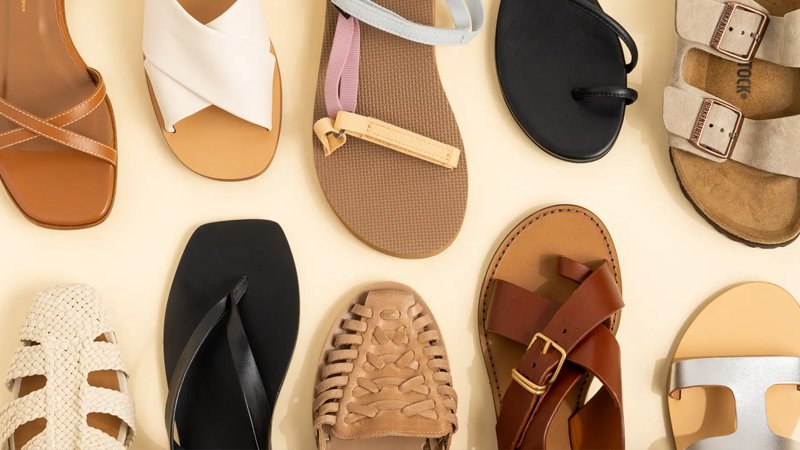
What Goes Into Making a Sandal?
A sandal is made of several components, each serving a specific purpose. For example, straps affect fit and comfort, while the sole influences grip and shock absorption.
Typically, sandals include:
- Upper straps
- Footbed
- Midsole (in cushioned designs)
- Outsole
Therefore, overall comfort depends on how these elements work together.
Common Materials Used for Sandal Uppers
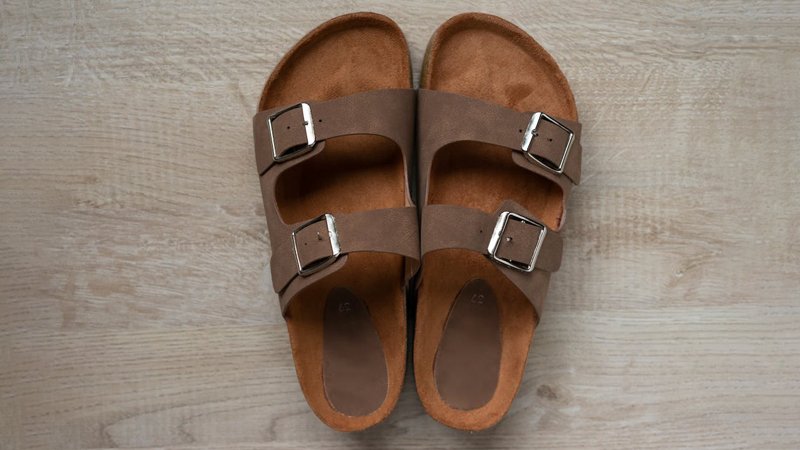
Leather Straps
Leather remains a popular choice for premium sandals. Because it gradually adapts to foot shape, it offers long-term comfort and durability.
Key Benefits:
- Long-lasting
- Breathable with use
- Stylish and versatile
Common Uses:
Casual sandals, formal sandals, ethnic footwear
Synthetic Straps
Synthetic options are widely used due to affordability. Although they may not age like leather, they are lightweight and water-resistant.
Key Benefits:
- Budget-friendly
- Easy to clean
- Suitable for wet conditions
Common Uses:
Everyday sandals, school sandals, travel footwear
Fabric & Textile Straps
Fabric straps feel soft against the skin. As a result, they reduce friction and improve comfort during long walks.
Key Benefits:
- Lightweight
- Breathable
- Comfortable for daily wear
Common Uses:
Casual sandals, sporty sandals
Sole and Footbed Materials Explained
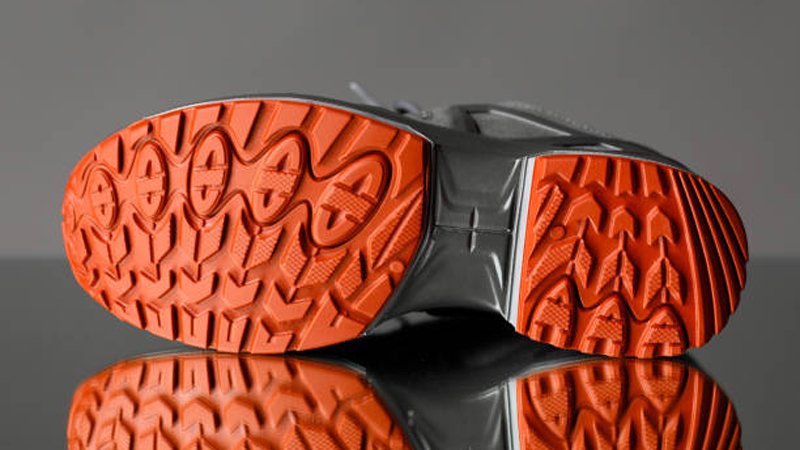
Rubber Soles
Rubber plays a vital role in safety. Because of its grip, it prevents slipping on wet or uneven surfaces.
Key Benefits:
- Slip-resistant
- Durable
- Water-resistant
EVA Foam Footbeds
EVA foam is commonly used for cushioning. As a result, it absorbs shock and reduces foot fatigue.
Key Benefits:
- Lightweight
- Shock-absorbing
- Comfortable for daily use
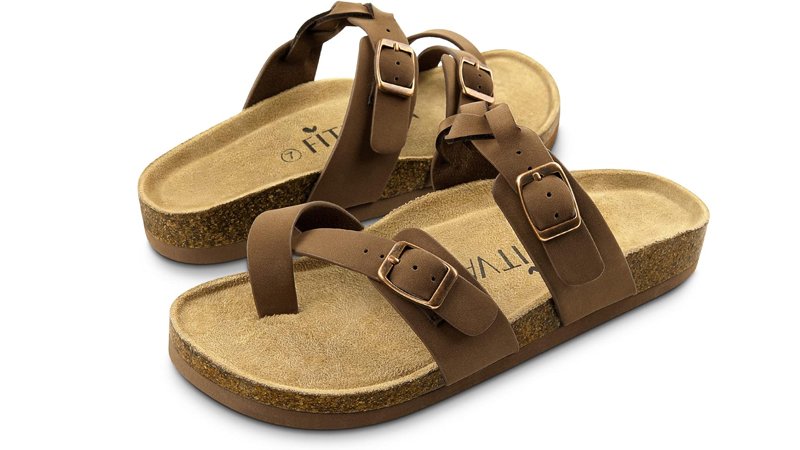
Cork Footbeds
Cork molds naturally to foot shape. Therefore, it provides excellent arch support over time.
Key Benefits:
- Breathable
- Supportive
- Eco-friendly
Eco-Friendly Materials in Modern Sandals
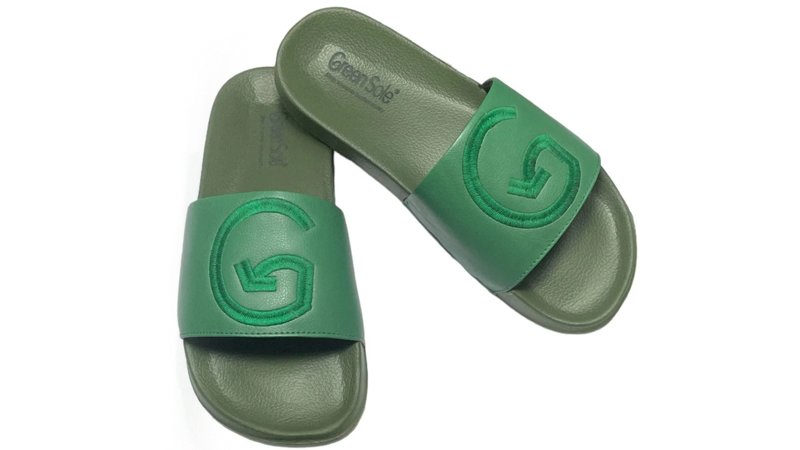
Meanwhile, sustainability is shaping footwear choices. Brands now use recycled rubber, plant-based leather alternatives, cork, and biodegradable foams.
Not only do these options reduce environmental impact, but they also offer impressive durability. Therefore, eco-conscious construction is becoming a preferred choice for modern consumers.
How Material Choice Affects Comfort and Use
Different constructions suit different needs. For instance:
- Daily wear sandals benefit from cushioned footbeds
- Travel sandals require lightweight yet durable soles
- Monsoon footwear works best with rubber-based designs
- Casual and ethnic styles often rely on leather uppers
Therefore, selecting the right components directly impacts comfort and longevity.
How to Choose the Best Option for Your Needs
Based on Climate
- Hot weather: Leather, fabric, or cork
- Rainy conditions: Rubber or synthetic
- Humid regions: Breathable materials
Based on Usage
- Daily wear: EVA or cork cushioning
- Outdoor use: Rubber soles
- Occasional wear: Leather or premium synthetics
Most importantly, always test grip and cushioning before buying.
Common Buying Mistakes to Avoid
However, many buyers:
- Ignore sole traction
- Choose looks over comfort
- Buy low-grade synthetic footwear
- Forget climate suitability
As a result, sandals wear out faster and feel uncomfortable.
FAQs
Q1: Which material works best for everyday sandals?
EVA or cork footbeds combined with breathable straps work well.
Q2: Are leather sandals suitable for summer?
Yes, quality leather is breathable and comfortable in warm weather.
Q3: Is rubber comfortable for long wear?
Yes, especially in wet or outdoor conditions.
Q4: Are eco-friendly sandals durable?
Absolutely. Many sustainable options match traditional durability.
Q5: How can I judge quality before buying?
Check flexibility, grip, stitching, and overall comfort.
Conclusion: Comfort Starts With Smart Material Choices
In conclusion, understanding how sandals are made helps you choose footwear that supports your feet throughout the day. Instead of focusing only on appearance, paying attention to construction materials ensures better comfort, durability, and walking ease.
Ultimately, the right combination of components makes every step lighter and more confident.
Disclaimer:
All trademarks, logos, product names, and brand identifiers mentioned on FashionAudit.com are the property of their respective owners. They are used solely for the purpose of product review, comparison, and consumer information. FashionAudit.com does not claim any ownership of these marks.
No copyright or trademark infringement is intended. If any brand or rights holder believes their intellectual property has been misused, they can contact us directly and we will address the issue promptly.