
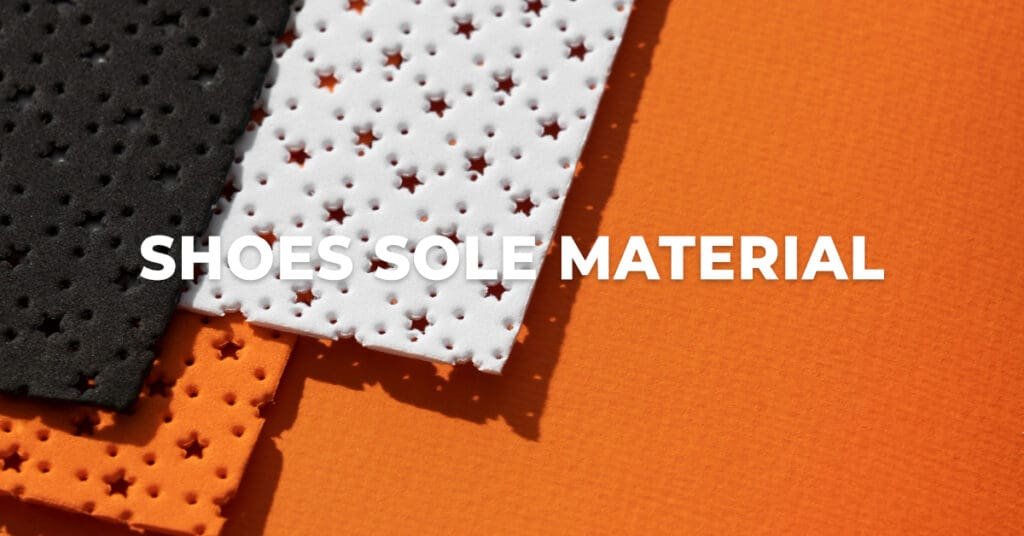
Introduction: Why Shoes Sole Material Matters More Than You Think
When buying shoes, many people focus on design or upper material. However, the sole is the foundation of every shoe. It directly affects grip, balance, comfort, and safety. In fact, even the best-looking shoes can feel uncomfortable if the sole material is poorly chosen.
Moreover, different lifestyles require different sole constructions. As a result, understanding shoes sole material helps you make smarter decisions—especially when reviewing footwear essentials during a practical fashion audit, where comfort and functionality matter just as much as style.
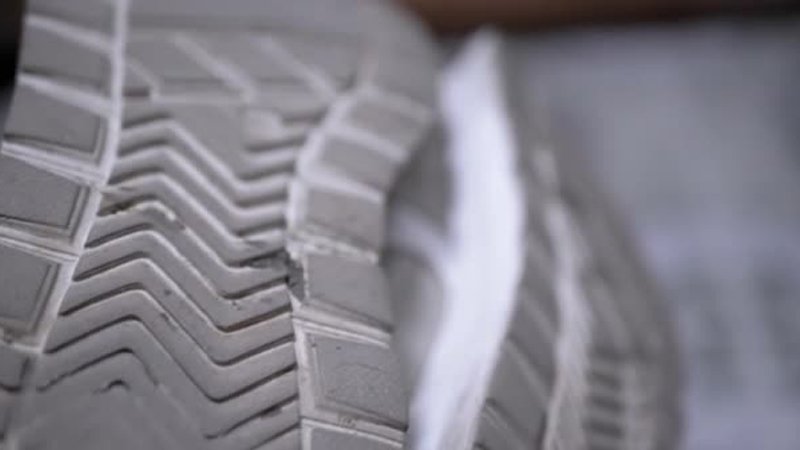
What Is a Shoe Sole?
The sole is the bottom part of a shoe that comes into direct contact with the ground. For example, it protects your feet from impact, provides traction, and supports natural movement.
Typically, the sole may include multiple layers, such as the outsole and midsole. Therefore, the material used plays a critical role in overall shoe performance and comfort.
Common Shoes Sole Materials Explained
Rubber Soles
Rubber is one of the most widely used shoe sole materials. Because of its excellent grip and flexibility, it is suitable for everyday wear and outdoor use.
Key Benefits:
- Slip-resistant
- Durable
- Water-resistant
Common Uses:
Sneakers, casual shoes, sports shoes, outdoor footwear
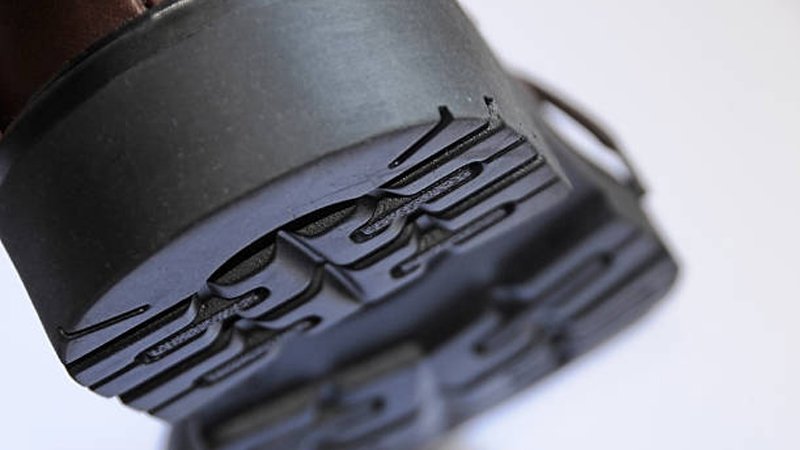
EVA (Ethylene Vinyl Acetate)
EVA is a lightweight foam material. As a result, it provides cushioning and comfort during long hours of wear.
Key Benefits:
- Lightweight
- Shock-absorbing
- Flexible
Common Uses:
Running shoes, walking shoes, lifestyle footwear
PU (Polyurethane) Soles
PU soles are known for durability. Although slightly heavier than EVA, they maintain shape and support over time.
Key Benefits:
- Long-lasting
- Stable support
- Resistant to wear
Common Uses:
Work shoes, school shoes, formal footwear
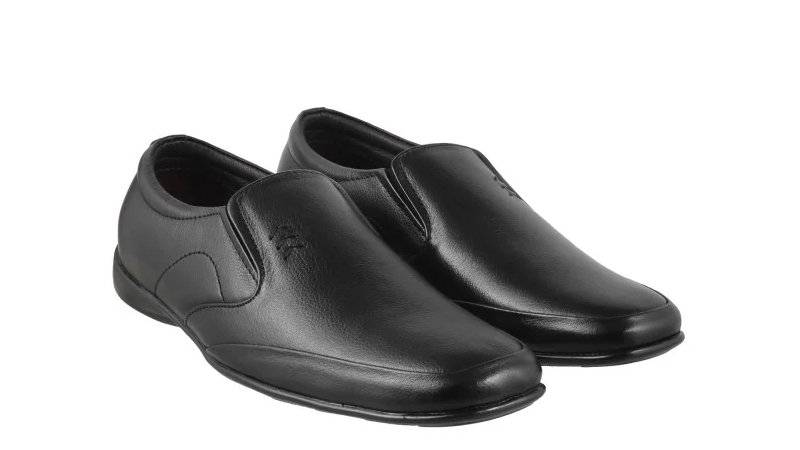
TPU (Thermoplastic Polyurethane)
TPU offers strength and flexibility. Therefore, it is commonly used in performance footwear.
Key Benefits:
- High abrasion resistance
- Strong grip
- Flexible yet tough
Common Uses:
Sports shoes, training shoes, hiking footwear
Leather Soles
Leather soles are mainly used in formal footwear. While they are not ideal for wet surfaces, they offer elegance and breathability.
Key Benefits:
- Premium look
- Breathable
- Lightweight
Common Uses:
Dress shoes, formal footwear
Sustainable Shoes Sole Materials (2025 Trend)
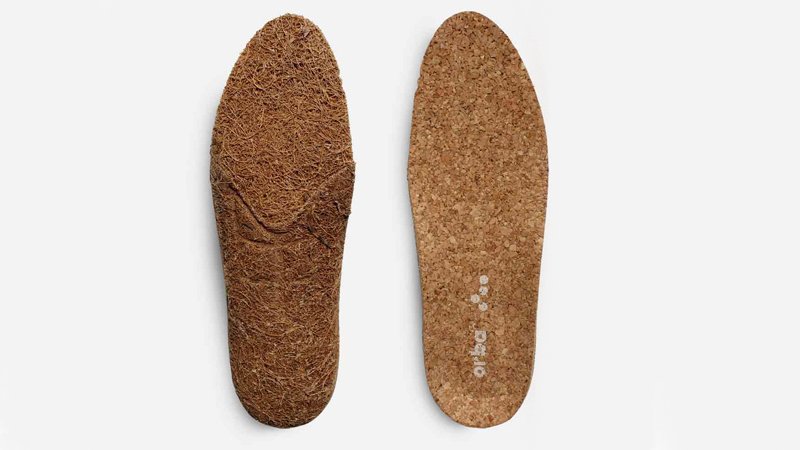
Meanwhile, sustainability is shaping footwear manufacturing. Brands now use recycled rubber, natural rubber, cork blends, and bio-based EVA.
Not only do these materials reduce environmental impact, but they also maintain performance. Therefore, sustainable shoes sole material options are gaining popularity among conscious consumers who value longevity during a seasonal fashion audit.
How Shoes Sole Material Affects Performance
Different sole materials serve different purposes. For instance:
- Sports shoes need grip and flexibility
- Work shoes require durable and slip-resistant soles
- Casual shoes balance comfort and style
- Outdoor shoes demand traction and toughness
Therefore, choosing the right sole material directly impacts comfort, safety, and shoe lifespan.
How to Choose the Right Shoes Sole Material
Based on Usage
- Daily wear: Rubber or EVA
- Sports: TPU or rubber
- Workwear: PU or heavy-duty rubber
- Formal wear: Leather soles
Based on Environment
- Wet surfaces: Rubber or TPU
- Indoor use: EVA or leather
- Rough terrain: PU or reinforced rubber
Most importantly, always test grip and flexibility before buying.
Common Mistakes When Choosing Shoe Sole Materials
However, many buyers:
- Ignore traction requirements
- Choose lightweight soles for heavy use
- Buy smooth soles for wet conditions
- Focus only on appearance
As a result, shoes wear out faster and feel unsafe.
FAQs: Shoes Sole Material
Q1: Which shoes sole material is best for daily use?
Rubber and EVA work best for everyday comfort and grip.
Q2: Are EVA soles durable?
They are comfortable but may wear faster than rubber or PU.
Q3: Is rubber sole good for rain?
Yes, rubber offers excellent traction on wet surfaces.
Q4: Are leather soles practical?
They are best for formal and indoor use.
Q5: How can I check sole quality?
Check thickness, tread pattern, grip, and flexibility.
Conclusion: Strong Steps Start With the Right Sole
In conclusion, understanding shoes sole material helps you choose footwear that offers better grip, comfort, and durability. Instead of focusing only on style, paying attention to the sole ensures safer movement and long-term performance.
Ultimately, the right sole material supports confident steps—wherever life takes you.

Disclaimer:
All trademarks, logos, product names, and brand identifiers mentioned on FashionAudit.com are the property of their respective owners. They are used solely for the purpose of product review, comparison, and consumer information. FashionAudit.com does not claim any ownership of these marks.
No copyright or trademark infringement is intended. If any brand or rights holder believes their intellectual property has been misused, they can contact us directly and we will address the issue promptly.