
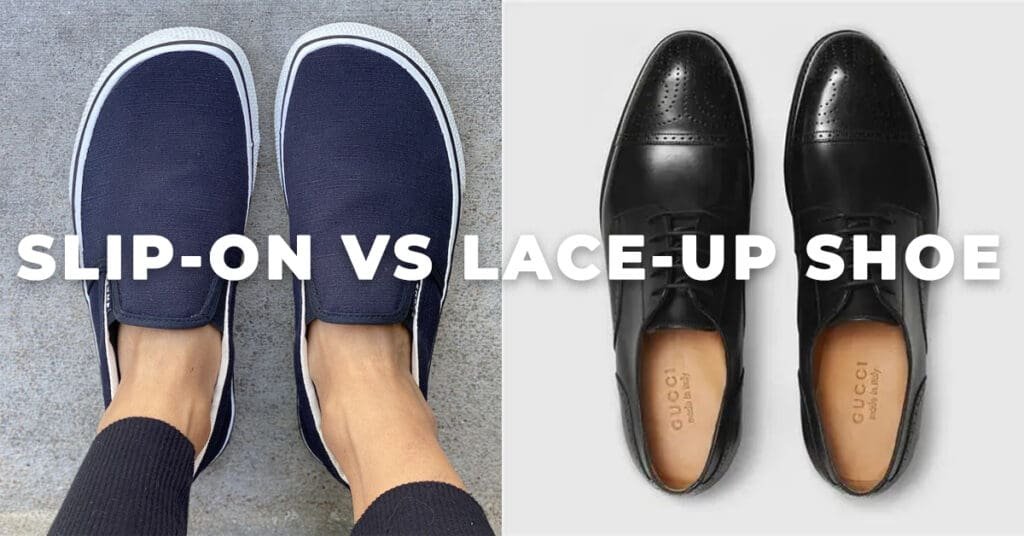
Introduction: A Stylish Tug-of-War Between Ease and Elegance
In the world of footwear, two designs consistently stand out — slip-on and lace-up. While one celebrates effortless comfort, the other symbolizes timeless sophistication.
In 2025, the debate between slip-on vs lace-up footwear is more relevant than ever. As fashion blends lifestyle and practicality, the question isn’t just what looks better, but what fits better.
According to Fashion Audit, this rivalry reflects a broader trend — a global shift toward functional fashion that balances design with daily convenience.
1. Slip-on vs Lace-up: The Key Design Difference
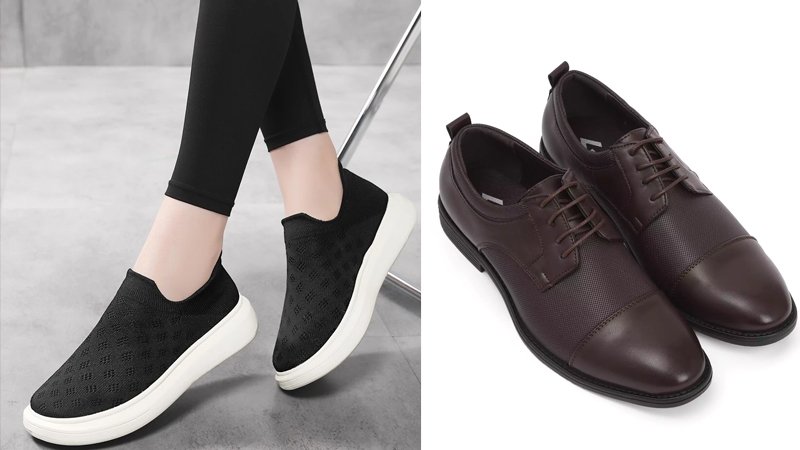
At first glance, the difference seems simple — one has laces, the other doesn’t. However, the distinction goes far deeper, shaping not only aesthetics but also fit and personality.
| Feature | Slip-on Footwear | Lace-up Footwear |
|---|---|---|
| Design | Elasticated or stretch opening | Traditional laced closure |
| Fit Type | Adaptive, flexible | Adjustable, secure |
| Ease of Wear | Quick and convenient | Structured and supportive |
| Best Use | Casual & travel wear | Formal & activewear |
| Trend Appeal | Minimalist and modern | Timeless and tailored |
Fashion Audit Insight: Slip-ons embody effortless cool, while lace-ups stand for classic control.
2. The Rise of Slip-on Footwear: Fashion That Flows
Slip-ons have evolved from simple comfort shoes into contemporary icons of urban minimalism.
Why They’re Popular:
- Easy to wear — no time wasted tying laces.
- Lightweight and travel-friendly.
- Seamless designs align with minimalist trends.
- Enhanced comfort with stretch-knit materials.
Moreover, leading sneaker brands are investing heavily in slip-on technology, using elastic uppers and adaptive midsoles that adjust to your stride.
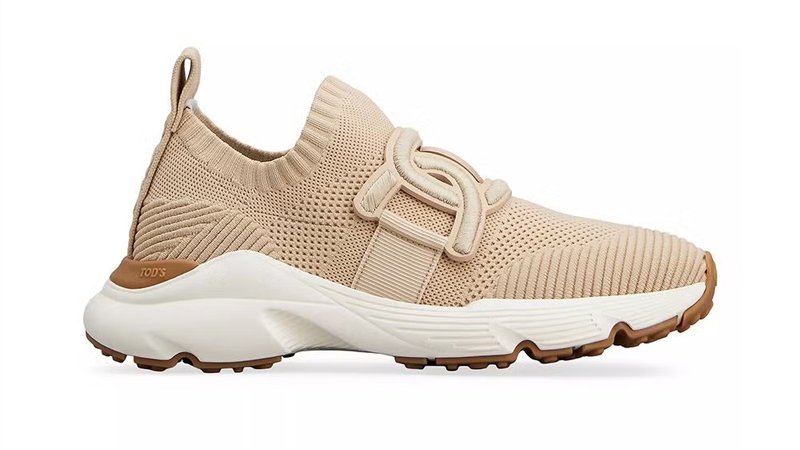
Fashion Audit Note: Slip-ons perfectly capture 2025’s lifestyle — on the go, on-trend, and always comfortable.
3. The Timeless Appeal of Lace-up Footwear
While slip-ons innovate, lace-up shoes remain a benchmark for structure, heritage, and precision fit.
Why They Endure:
- Laces allow customizable snugness and arch support.
- Perfect for formal settings and office wear.
- Offer more stability for sports and active lifestyles.
- Project polish and professionalism.
In addition, lace-ups adapt beautifully across categories — from classic Oxfords to chunky sneakers.
Fashion Audit Observation: Lace-ups are for those who value detail — every knot tells a story of refinement.
4. Design Evolution: When Classics Meet Modernity
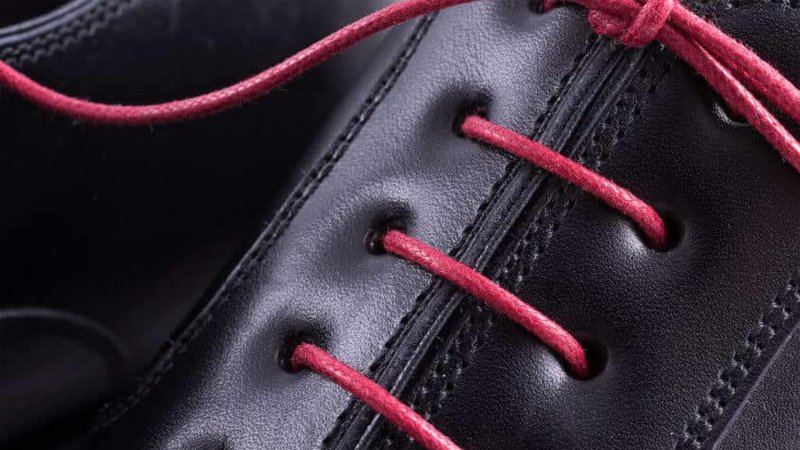
Interestingly, the line between slip-ons and lace-ups is starting to blur. Designers are merging both styles to meet changing consumer demands.
Emerging Hybrid Designs Include:
- Slip-on sneakers with faux laces for aesthetic balance.
- Lace-up shoes with elastic panels for easy wear.
- Sustainable knit loafers with hidden support systems.
Therefore, instead of competing, both styles now complement each other in modern wardrobes.
Fashion Audit Tip: Choose shoes that adapt — versatility is the new luxury.
5. Slip-on vs Lace-up: Comfort and Fit Comparison
Comfort remains the top priority for 2025 consumers. Let’s compare both designs from a functional perspective.
| Category | Slip-on Shoes | Lace-up Shoes |
|---|---|---|
| Arch Support | Moderate | Strong |
| Flexibility | High | Medium |
| Adjustability | Low | High |
| Security | Medium | Excellent |
| Break-in Time | Minimal | Longer |
| Ideal Use | Casual, travel, lounging | Work, fitness, events |
Fashion Audit Analysis: Slip-ons win for casual comfort, but lace-ups dominate in structured support. The best wardrobe has both.
6. Materials & Technology Trends in 2025
Both slip-on and lace-up footwear have undergone material innovation to boost performance, durability, and sustainability.
Key Material Trends Include:
- Knit uppers for breathability and elasticity.
- Recycled leather for structure and luxury.
- EVA midsoles for cushioning and weight reduction.
- Bio-based rubber for eco-friendly traction.
- Memory foam insoles for all-day comfort.
Moreover, sustainable construction methods — such as glue-free assembly and biodegradable threads — are now common in both styles.
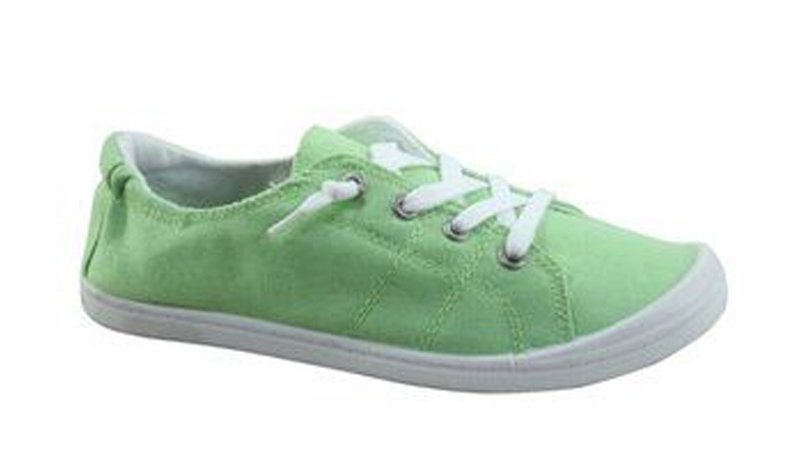
Fashion Audit Insight: The future of footwear lies not in rivalry, but in responsibility.
7. Styling Slip-on and Lace-up Footwear
Because each design carries a different personality, styling them effectively depends on the occasion.
Slip-on Styling Ideas:
- Pair knit slip-ons with joggers or cropped trousers for travel-ready looks.
- Style leather loafers with linen suits for effortless elegance.
- Combine slip-on sneakers with denim for minimal streetwear.
Lace-up Styling Ideas:
- Wear derby shoes with formal trousers for office polish.
- Pair lace-up boots with jeans and overcoats for rugged appeal.
- Match lace-up sneakers with chinos for clean athleisure fits.
Furthermore, neutral tones like beige, black, and gray help transition seamlessly between professional and casual occasions.
Fashion Audit Tip: Slip-ons show ease. Lace-ups show intention. Style them according to the message you want to send.
8. 2025 Footwear Trends: Balance Is Everything
Fashion in 2025 is all about balance between convenience and craft. Slip-ons dominate travel and lifestyle segments, while lace-ups continue to rule formal and structured fashion.
Key Trends:
- Unisex footwear in minimalist silhouettes.
- Smart shoes with auto-lacing systems.
- Hybrid loafers merging elastic uppers with formal soles.
- Eco-conscious luxury — recycled materials in premium designs.
As a result, designers are no longer choosing between form and function — they’re blending both beautifully.
Fashion Audit Forecast: By 2026, 60% of global footwear collections will feature dual-design influences inspired by this balance.
9. Consumer Reviews: What People Are Saying
Recent feedback highlights how both designs serve different but equally important needs.
User Impressions:
- “Slip-ons are my go-to for daily errands.”
- “Lace-ups feel like power — structured and confident.”
- “I love having both — comfort for weekdays, structure for weekends.”
Consequently, the modern consumer sees shoes not as opposites, but as complements to different moods and moments.
Fashion Audit Observation: The best footwear collections are versatile, not divided.
10. Expert Verdict: Which One Wins?
Ultimately, the choice between slip-on vs lace-up footwear depends on your lifestyle.
- Choose Slip-ons if you value speed, flexibility, and effortless comfort.
- Choose Lace-ups if you prefer structure, formality, and precise fit.
However, owning both ensures you’re ready for every occasion — from airport lounges to boardrooms.
Fashion Audit Conclusion: “The true winner isn’t one or the other — it’s the person who knows when to wear which.”
FAQs About Slip-on vs Lace-up Footwear
1. Are slip-ons more comfortable than lace-ups?
They are for casual wear, but lace-ups offer better long-term support.
2. Which is better for formal occasions?
Lace-ups are ideal for business and events, while slip-ons fit casual to semi-formal looks.
3. Do slip-ons stretch over time?
Yes, especially knit or fabric ones — ensure a snug initial fit.
4. Can men and women wear both?
Absolutely. Both designs now appear across unisex fashion lines.
5. Does Fashion Audit recommend one?
Fashion Audit recommends having both — slip-ons for comfort days, lace-ups for confidence days.
Conclusion: Fashion’s Perfect Balance
The debate between slip-on vs lace-up footwear isn’t about rivalry — it’s about rhythm. Each design serves a purpose, and together, they define modern versatility.
As 2025 unfolds, consumers are choosing shoes that adapt — not dictate — their lifestyles.
As Fashion Audit perfectly summarizes:
“Style isn’t about choosing sides. It’s about choosing what fits you best.”
Disclaimer:
All trademarks, logos, product names, and brand identifiers mentioned on FashionAudit.com are the property of their respective owners. They are used solely for the purpose of product review, comparison, and consumer information. FashionAudit.com does not claim any ownership of these marks.
No copyright or trademark infringement is intended. If any brand or rights holder believes their intellectual property has been misused, they can contact us directly and we will address the issue promptly.