
Introduction: Why Understanding Leather Types Matters
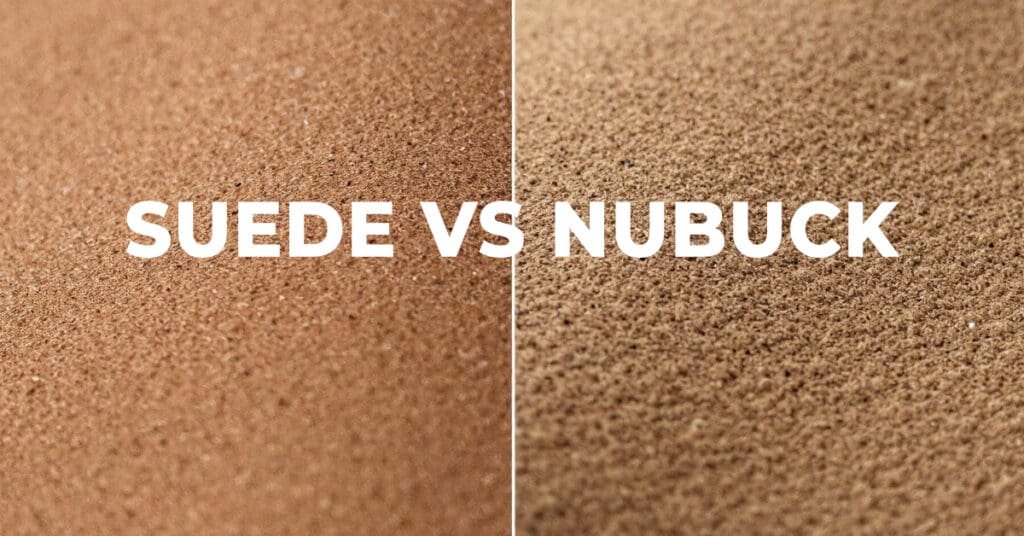
Many people confuse suede and nubuck because both materials feel soft and look similar. However, there are important differences between them. That’s why learning the suede vs nubuck difference helps you choose the right material for shoes, bags, and jackets.
Both come from animal hide, yet manufacturers treat them differently. These differences affect texture, durability, maintenance, and price. During professional footwear inspections and detailed fashion audits, experts carefully examine surface finish and grain structure before labeling the leather type.
Let’s break it down clearly and simply.

What Is Suede?
Suede is a type of leather made from the inner layer of animal hide. Manufacturers sand the inside surface to create a soft, velvety finish.
Key Features of Suede:
- Soft and fuzzy texture
- Lightweight
- Flexible
- Matte appearance
- More affordable than nubuck
Because suede uses the inner split of the hide, it feels delicate and smooth.
What Is Nubuck?
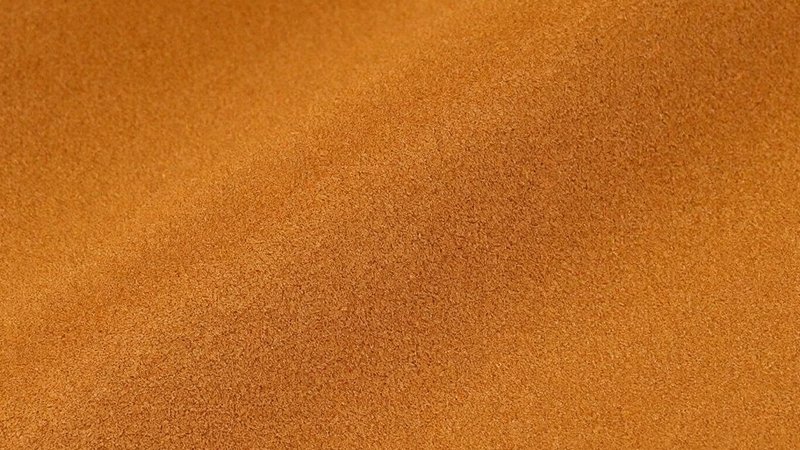
Nubuck comes from the outer layer of the hide, also known as the top grain. Manufacturers lightly sand the outer surface to create a fine, velvet-like texture.
Key Features of Nubuck:
- Finer and smoother nap
- Stronger structure
- More durable than suede
- Slightly premium appearance
- Higher cost
Since nubuck uses the stronger outer layer of the hide, it typically lasts longer.

Suede vs Nubuck Difference Explained Clearly
Now let’s compare them across key factors.
1️⃣ Source Layer
- Suede: Inner split of the hide
- Nubuck: Outer top-grain layer
This difference directly impacts strength and durability.
2️⃣ Texture
Suede feels soft and fuzzy.
Nubuck feels soft but smoother and finer.
3️⃣ Durability
Nubuck is stronger because it comes from the outer hide layer.
Suede is more delicate and may show wear faster.
4️⃣ Appearance
Suede has a more casual look.
Nubuck looks slightly more refined and premium.
5️⃣ Water Resistance
Both materials absorb water easily. However, nubuck may resist wear slightly better.
Protective sprays help both materials last longer.
6️⃣ Price
Suede usually costs less.
Nubuck typically costs more due to stronger grain quality.
Quick Comparison Table
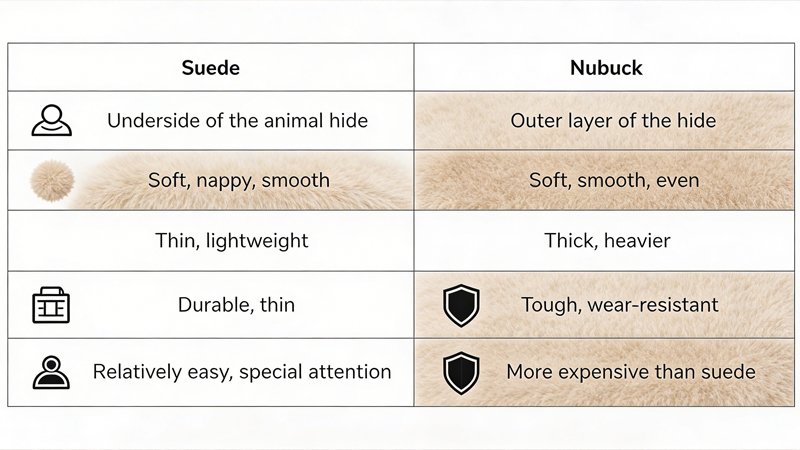
| Feature | Suede | Nubuck |
|---|---|---|
| Hide Layer | Inner split | Outer top grain |
| Texture | Soft, fuzzy | Fine, velvety |
| Durability | Moderate | Higher |
| Appearance | Casual | Premium |
| Price | Affordable | Slightly expensive |
Which Is Better for Shoes?
For casual sneakers and boots, suede offers flexibility and style.
For work boots or long-term footwear, nubuck provides better durability.
Your usage and environment should guide your decision.
Maintenance Tips
Both materials require proper care:
- Use a suede brush regularly
- Apply water-repellent spray
- Avoid heavy rain exposure
- Store in dry conditions
Proper maintenance extends lifespan significantly.
Environmental Considerations
Since both materials come from animal hide, their sustainability depends on sourcing and processing. During sustainability-focused fashion audits, experts evaluate tanning methods, chemical treatments, and product lifespan before determining environmental performance.
Long-lasting materials reduce replacement frequency and waste.
Common Mistakes Buyers Make
Many buyers:
- Assume suede and nubuck are identical
- Ignore durability differences
- Forget to use protective sprays
- Wear suede in heavy rain
Understanding the material prevents damage and disappointment.
FAQs
1. Which is more durable, suede or nubuck?
Nubuck is generally more durable.
2. Is nubuck real leather?
Yes, nubuck comes from top-grain leather.
3. Does suede last long?
With proper care, suede can last several years.
4. Which is more expensive?
Nubuck usually costs more.
5. Can you wear suede in rain?
It is not recommended without protective spray.
Conclusion: Choosing the Right Leather
Understanding the suede vs nubuck difference helps you make a confident purchase. If you want a softer and more affordable option for casual wear, suede works well. If you prefer durability and a slightly premium finish, nubuck is the better choice.
Consider your usage, climate, and maintenance commitment before buying. The right leather choice improves both appearance and long-term performance.