
Introduction: The Step That Changes Everything
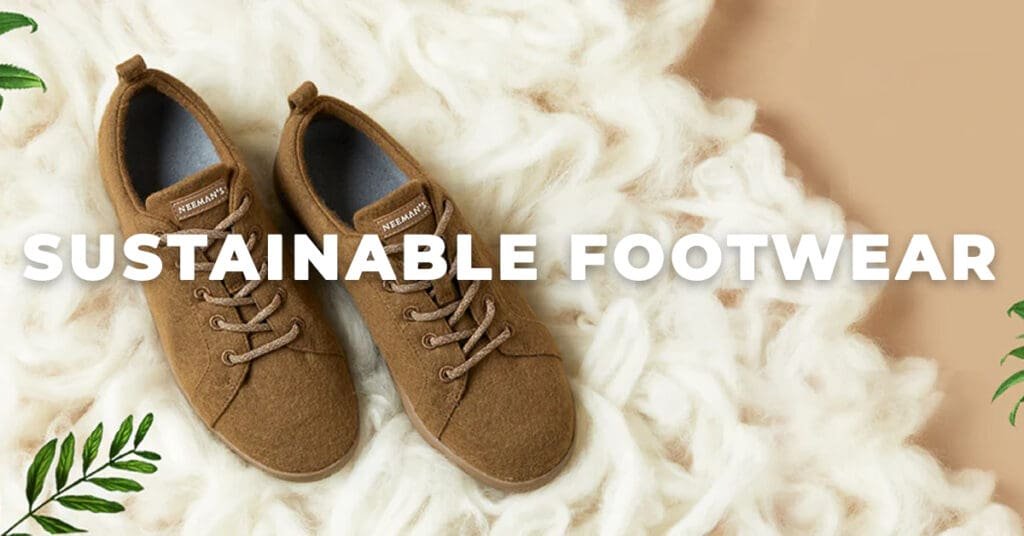
In the era of fast fashion, one category is taking slow, purposeful steps toward change — sustainable footwear.
Footwear once focused purely on looks and comfort; today, it’s about environmental impact, ethical craftsmanship, and circular production.
According to Fashion Audit, the sustainable footwear market is expected to grow exponentially by 2026, as conscious consumers choose eco-friendly shoes that feel as good as they look.

1. What Is Sustainable Footwear?
Sustainable footwear refers to shoes designed and manufactured with minimal environmental impact, using eco-friendly materials, ethical labor, and waste-reducing processes.
These shoes aim to protect the planet at every stage — from material sourcing to end-of-life recycling.
Fashion Audit Insight: True sustainability in footwear blends innovation with integrity — a harmony between style and conscience.
2. Why Sustainable Footwear Matters
The traditional footwear industry contributes to pollution, waste, and overconsumption. A single pair of conventional sneakers can generate over 13 kg of CO₂ emissions.
Sustainable footwear helps by:
- Reducing carbon emissions.
- Reusing and recycling waste materials.
- Supporting ethical, fair-trade production.
- Encouraging long-term durability over disposability.
Fashion Audit Note: Every sustainable shoe reduces waste — and redefines what “luxury” means in fashion.
3. Key Materials Used in Sustainable Footwear
Let’s explore the eco-materials transforming the way modern shoes are made.
3.1 Recycled Plastics (PET Bottles)
Used for woven uppers and linings, these plastics are shredded, melted, and spun into high-performance fibers.
Benefits: Lightweight, breathable, and water-resistant.
3.2 Organic Cotton
Naturally grown without pesticides or synthetic fertilizers.
Benefits: Soft, biodegradable, and skin-friendly.
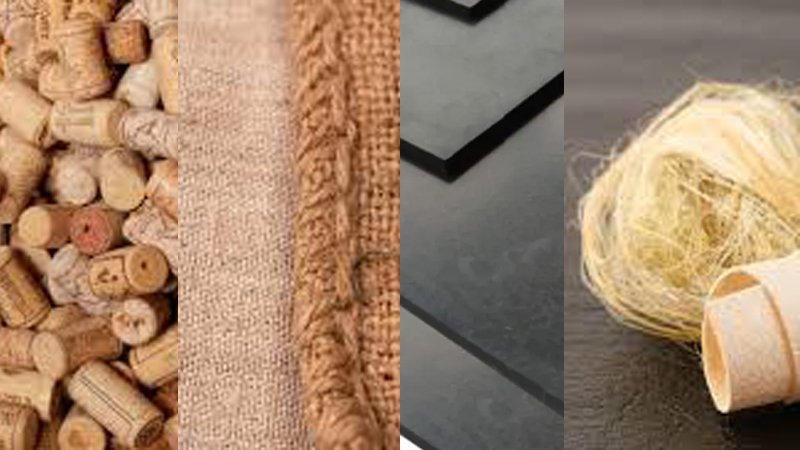
3.3 Natural Rubber
Harvested sustainably from rubber trees.
Benefits: Renewable, durable, and slip-resistant.
3.4 Cork
Sourced from cork oak bark without harming the tree.
Benefits: Flexible, naturally cushioned, and antimicrobial.
3.5 Hemp & Jute
Plant-based fibers that grow quickly and require minimal water.
Benefits: Breathable, sturdy, and biodegradable.
3.6 Recycled EVA & Foam
Factory scraps and old soles are reprocessed into new midsoles.
Benefits: Lightweight cushioning with reduced waste.
3.7 Piñatex & Mushroom Leather
Made from pineapple leaf fibers and mycelium (mushroom roots).
Benefits: Vegan, innovative, and 100% biodegradable.
4. How Sustainable Footwear Is Made
- Material Collection: Sourcing organic, recycled, or bio-based components.
- Eco-Manufacturing: Using renewable energy and non-toxic adhesives.
- Design Optimization: Creating modular or repairable shoes to reduce waste.
- Circular Recycling: Reusing old shoes to produce new ones.
Fashion Audit Observation: The new “green factory” model minimizes emissions while maximizing creativity.
5. Sustainable Footwear vs Traditional Footwear
| Feature | Sustainable Footwear | Traditional Footwear |
|---|---|---|
| Material Source | Renewable & recycled | Petroleum-based & animal-derived |
| Production | Ethical, low-impact | Mass-produced, high waste |
| Durability | Designed to last | Often disposable |
| Carbon Footprint | Significantly lower | High |
| End of Life | Recyclable or biodegradable | Usually non-recyclable |
Fashion Audit Insight: The sustainable model focuses on longevity — the antidote to fast fashion’s throwaway culture.
6. Innovative Technologies Powering Sustainable Footwear
- 3D Printing: Reduces waste by using exact material quantities.
- Circular Design Systems: Shoes built to be disassembled and recycled.
- Bio-Based Foams: Derived from sugarcane, algae, or plant oils.
- Waterless Dyeing Techniques: Saves thousands of liters per production run.
- Blockchain Tracking: Ensures transparency in sourcing and production.

7. Leading Brands in Sustainable Footwear (2025 Edition)
| Brand | Eco Focus | Key Innovation |
|---|---|---|
| Adidas | Recycled plastic & ocean waste | Parley Collection |
| Allbirds | Natural materials | Carbon labeling |
| Veja | Organic cotton & wild rubber | Fair-trade practices |
| Nike | Recycled foams & fabrics | Move to Zero |
| Rothy’s | Recycled thread knitting | Zero-waste 3D construction |
| Timberland | Recycled leather & rubber | Circular footwear design |
Fashion Audit Note: These brands prove that sustainability and style aren’t opposites — they’re partners in progress.
8. Benefits of Choosing Sustainable Footwear
- Environmentally Responsible: Reduces pollution and waste.
- Ethical Manufacturing: Supports fair wages and safe labor.
- Long-Term Value: Designed for durability.
- Comfort & Quality: Premium craftsmanship meets eco-design.
- Unique Aesthetic: Natural textures and earthy tones stand out.
Fashion Audit Tip: Buying fewer, better-quality shoes is the most sustainable step anyone can take.
9. Limitations & Challenges
- Higher production costs.
- Limited scalability in mass markets.
- Consumer skepticism about “greenwashing.”
However, transparency and innovation are helping sustainable footwear brands overcome these barriers.
10. How to Identify Genuine Sustainable Footwear
- Check Certifications: Look for GRS, FSC, or Fair Trade labels.
- Examine Materials: Prefer recycled or plant-based options.
- Evaluate Lifespan: Shoes built to last are more eco-friendly.
- Support Transparent Brands: Choose companies that disclose their supply chains.
Pro Tip: If a brand can’t explain how its shoes are made, they’re probably not sustainable.
11. The Role of Consumers in Driving Change
Your purchasing choices shape the industry. Every pair of sustainable footwear sold encourages brands to invest more in green innovation.
Fashion Audit Observation: Sustainability starts not in factories — but in wardrobes.
12. The Future of Sustainable Footwear
Trends that will define the next decade:
- Fully Compostable Shoes.
- AI-Optimized Material Recycling.
- Custom-Fit 3D Printed Footwear.
- Biodegradable Adhesives and Threads.
- Hybrid Eco-Materials (bio-EVA, natural latex, cork).
As technology advances, sustainability will no longer be an option — it will be the foundation of design.
FAQs About Sustainable Footwear
1. Are sustainable shoes as durable as regular ones?
Yes, most are designed to last longer with repairable or modular structures.
2. Are they more expensive?
Initially, yes — but their longer lifespan offers better value.
3. Can sustainable shoes be fashionable?
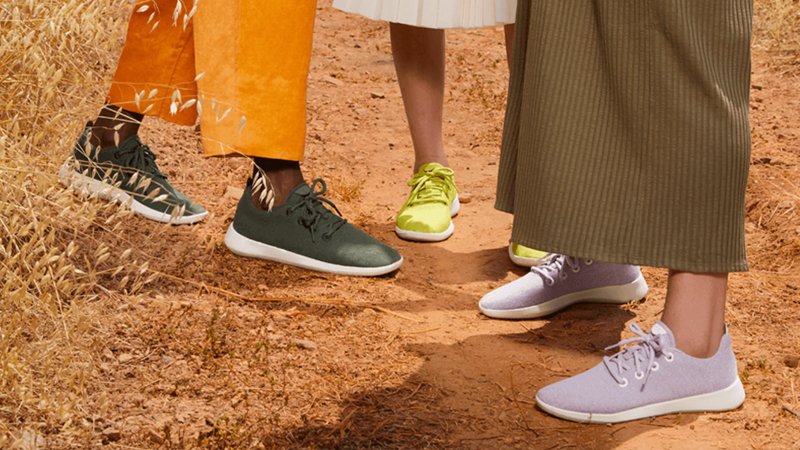
Absolutely. Brands like Veja and Rothy’s prove eco-shoes can be trendy and elegant.
4. How can I recycle old shoes?
Many companies now offer take-back programs for shoe recycling.
5. Does Fashion Audit recommend sustainable footwear?
Yes — Fashion Audit champions sustainable footwear as the future of responsible style.
Conclusion: Fashion That Walks the Talk
Sustainability isn’t a passing trend — it’s the soul of fashion’s next era.
Sustainable footwear represents the perfect union of innovation, responsibility, and elegance.
As Fashion Audit beautifully sums it up:
“Every sustainable step we take today paves the way for a greener, more stylish tomorrow.”
Disclaimer:
All trademarks, logos, product names, and brand identifiers mentioned on FashionAudit.com are the property of their respective owners. They are used solely for the purpose of product review, comparison, and consumer information. FashionAudit.com does not claim any ownership of these marks.
No copyright or trademark infringement is intended. If any brand or rights holder believes their intellectual property has been misused, they can contact us directly and we will address the issue promptly.