
Introduction: From Utility to Identity
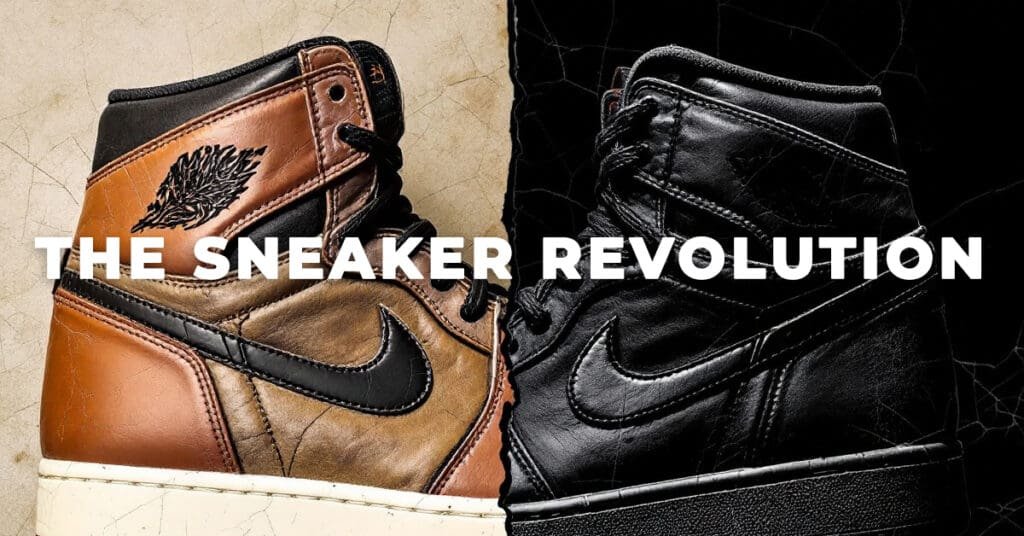
Sneakers today represent culture, identity, and style. They dominate runways, music videos, offices, and daily wardrobes. Yet their journey from simple athletic tools to global fashion symbols is a dramatic transformation. The Sneaker Revolution: From Sports to Streetwear is the story of how function, culture, and creativity reshaped the world of footwear.
As Fashion Audit puts it,
“Sneakers didn’t just adapt to culture — they helped define it.”
1. The Beginning: Sneakers Designed for Sports
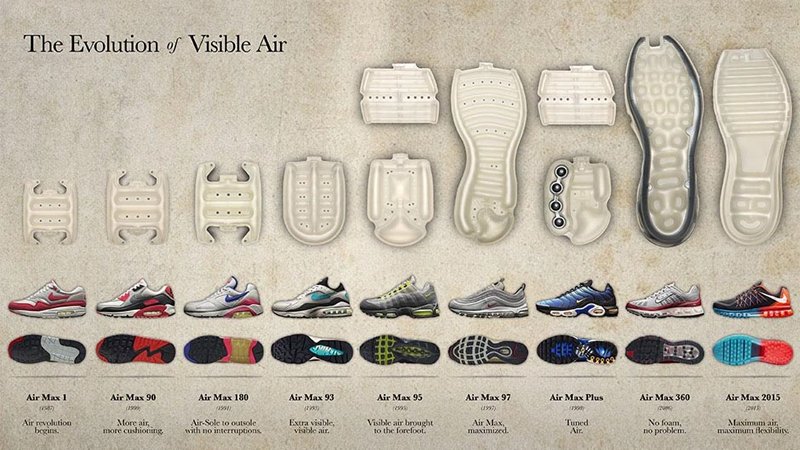
Sneakers were originally built for athletics. Their purpose was simple — help athletes run faster, jump higher, and play better.
Early Sports Influences
- Converse All-Star became a basketball essential
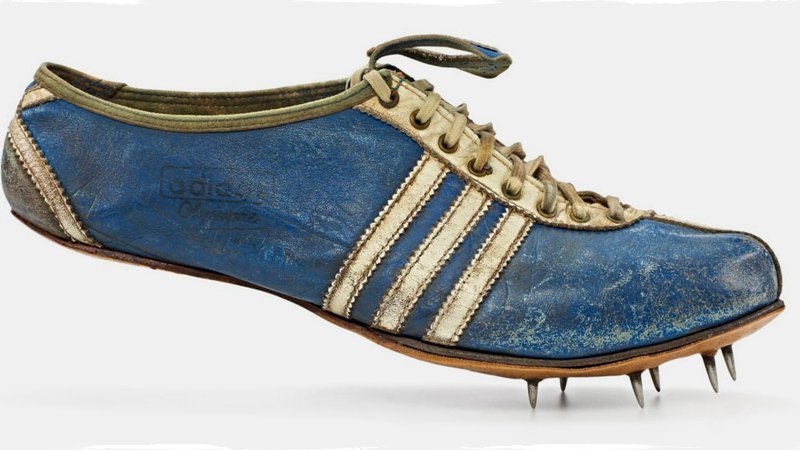
- Adidas improved running spikes in the 1930s
- Puma introduced new track innovations
Sneakers remained performance-focused for decades, staying mostly inside gyms and sports arenas.
2. The Rise of Everyday Casual Sneakers (1960s–1970s)
As running and fitness culture grew, sneakers slowly stepped outside the sports world.
Key Shifts
- Jogging becomes popular in the 70s
- Nike introduces the Waffle Trainer
- People start wearing sneakers for daily comfort
This era laid the foundation for The Sneaker Revolution: From Sports to Streetwear, because performance and comfort blended with casual style.
3. The 1980s: The Cultural Breakthrough
No decade shaped sneaker culture more than the 1980s.
Cultural Catalysts
- Air Jordan 1 launches in 1984
- Hip-hop embraces Adidas Superstars
- Sneakers enter mainstream identity
- Marketing moves from athletes to cultural icons
This was the moment sneakers became symbols of personality and social influence.
4. The 1990s: Streetwear Meets Sneaker Style
The 90s pushed sneakers deeper into street fashion.
Why This Era Mattered
- Basketball icons shaped design trends
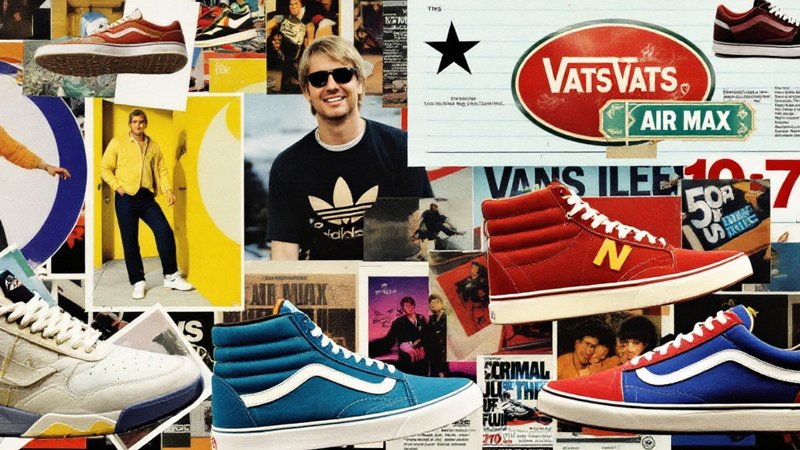
- Skate culture introduced Vans and DC Shoes
- Chunky silhouettes and bold colours emerged
- Sneaker collecting began gaining momentum
Sneakers now represented attitude, not just athletic performance.
5. The 2000s: Collaboration Culture Begins
The early 2000s marked a turning point with limited-edition releases and celebrity partnerships.
Defining Features
- Artists and designers collaborated with major brands
- Luxury fashion houses entered the sneaker market
- Nike SB and street artists revolutionized design
- Collectors lined up for exclusive drops
Collaboration became a cultural language, making sneakers desirable as art, fashion, and investment.
6. The 2010s: Hype Culture & Sneaker Resale Economy
The Sneaker Revolution entered its peak during the 2010s.
Game-Changing Shifts
- Kanye West x Adidas launches Yeezy
- Off-White and Nike redefine streetwear aesthetics
- Limited drops create high resale value
- Social media accelerates hype
- Sneakers become global status symbols
As Fashion Audit explains,
“Sneakers became the new luxury — not because of price, but because of cultural relevance.”

7. The 2020s: Comfort, Sustainability & Everyday Streetwear
In recent years, sneakers have become even more versatile and essential.
Modern Trends
- Knit uppers and lightweight designs
- Sustainable materials and recycled fibres
- Minimalist lifestyle sneakers
- Athleisure blending with streetwear
- Custom and DIY sneaker culture rising
Sneakers are no longer occasional wear — they’re everyday essentials.
8. Why Sneakers Took Over Streetwear
The global influence of sneakers comes from a strong mix of cultural and practical factors.
Why They Dominate Today
- Comfortable for long daily wear
- Easy to style with casual and semi-formal outfits
- Strong association with music, sports, and influencers
- Endless variations in colour and silhouette
- Suitable for all ages and genders
Sneakers feel personal, expressive, and accessible — a perfect match for streetwear.

9. India’s Role in the Global Sneaker Movement
The Sneaker Revolution has grown rapidly in India.
Major Contributors
- Youth-driven streetwear fashion
- Growth of athleisure and comfort clothing
- Rising interest in global brands
- Local brands like HRX, Campus, and Red Tape entering sneaker culture
- Online communities celebrating sneaker drops and reviews
India has become a powerful sneaker market with its own identity and style choices.
FAQs About The Sneaker Revolution
1. When did sneakers move beyond sports?
During the 1970s, as jogging and casual wear became more popular.
2. What made sneakers part of streetwear?
Hip-hop culture, basketball stars, and youth fashion trends.
3. Which brands led the revolution?
Nike, Adidas, Puma, Converse, and later luxury houses.
4. Why are limited sneaker drops so popular?
Exclusivity, storytelling, and cultural influence.
5. Does Fashion Audit support sneaker culture?
Yes — Fashion Audit celebrates sneakers as a vital part of modern fashion.
Conclusion: Sneakers Are More Than Footwear — They’re Cultural History
The journey of athletic shoes becoming global streetwear icons is a story filled with innovation, culture, and creativity. The Sneaker Revolution: From Sports to Streetwear shows how sneakers evolved from simple workout gear into symbols of style, identity, and self-expression.
Disclaimer:
All trademarks, logos, product names, and brand identifiers mentioned on FashionAudit.com are the property of their respective owners. They are used solely for the purpose of product review, comparison, and consumer information. FashionAudit.com does not claim any ownership of these marks.
No copyright or trademark infringement is intended. If any brand or rights holder believes their intellectual property has been misused, they can contact us directly and we will address the issue promptly.