
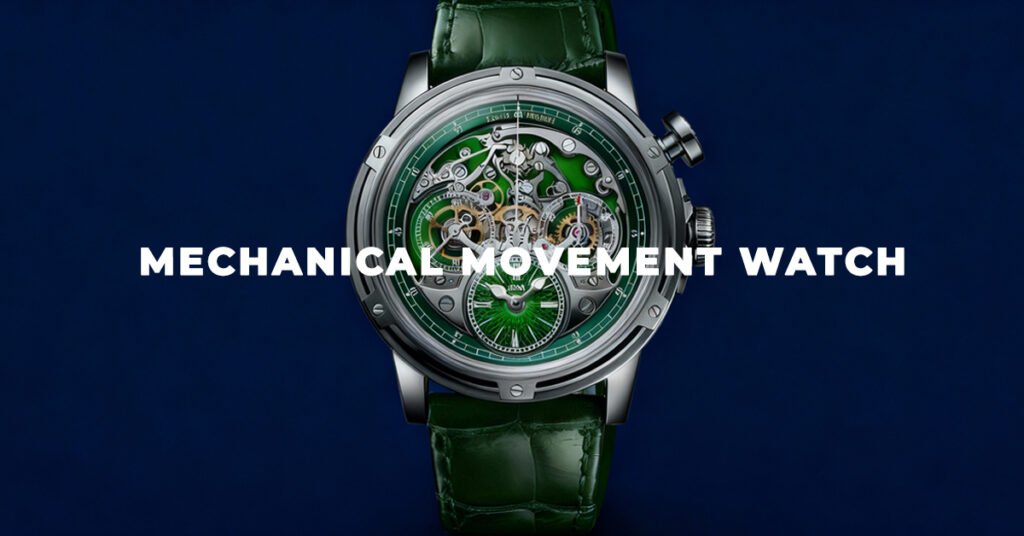
What Is a Mechanical Movement Watch?
A mechanical movement watch is not just a timekeeping device—it’s a masterpiece of engineering and art. Unlike quartz watches, which rely on a battery, mechanical watches run entirely on energy stored in a coiled mainspring. This spring releases energy gradually through a series of gears and escapements, keeping the hands moving smoothly and elegantly.
The history of mechanical watches dates back to the 15th century, when clockmakers began miniaturizing their mechanisms. Over time, this craft evolved into a symbol of sophistication, precision, and timelessness. Owning a mechanical movement watch means owning a piece of human ingenuity and craftsmanship that transcends generations.
Understanding the Core Mechanism
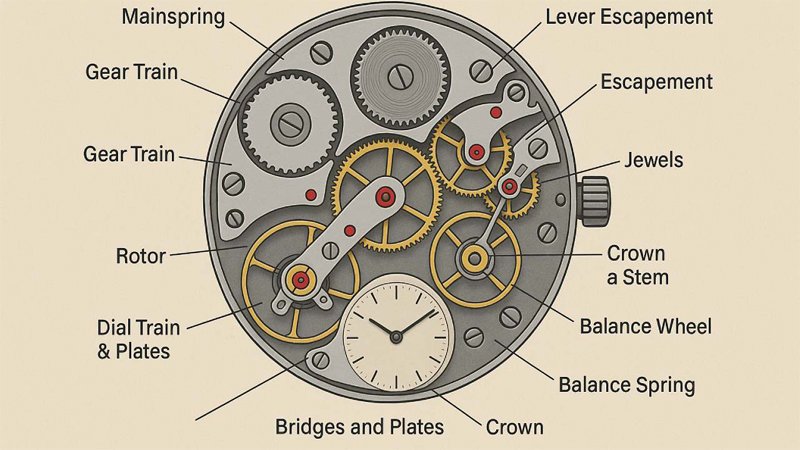
At the heart of every mechanical watch lies a fascinating symphony of parts working in harmony. The mainspring stores energy when wound—either manually or automatically—and releases it through a gear train. The escapement then regulates this energy, converting it into consistent, rhythmic ticks that move the watch hands.
Think of it as a miniature engine:
- The mainspring is the fuel tank.
- The gear train is the transmission.
- The escapement acts as the regulator.
- The balance wheel functions as the heartbeat.
Each tick you hear is the result of hundreds of microscopic interactions happening in perfect unison.
The Difference Between Automatic and Manual Mechanical Watches
Both types fall under the mechanical category, but their energy sources differ.
- Manual mechanical watches require the user to wind the crown regularly.
- Automatic watches, on the other hand, feature a rotor that winds the mainspring using the motion of your wrist.
Collectors often appreciate manual winding for the ritual it provides, while modern users prefer the convenience of automatic mechanisms.
The Art and Engineering Behind Mechanical Watches
A mechanical movement watch represents more than precise mechanics—it embodies the artistry of watchmakers who dedicate years to perfecting each component. Luxury brands hand-assemble movements containing over 150–300 tiny parts, each individually polished and tested for accuracy.
Components of a Mechanical Movement
| Component | Function |
|---|---|
| Mainspring | Stores and releases energy |
| Escapement | Controls release of energy |
| Balance Wheel | Regulates timing |
| Gear Train | Transfers motion |
| Rotor | Winds the spring automatically |
| Jewels | Reduce friction and wear |
Why Choose a Mechanical Movement Watch Over Quartz?
While quartz watches offer convenience and accuracy, mechanical watches tell a deeper story. They are sustainable, repairable, and often appreciate in value over time. Moreover, the soft sweeping motion of the second hand is a hallmark of craftsmanship.
Top Brands That Perfected Mechanical Watchmaking
- Rolex: Precision and prestige.
- Patek Philippe: Generational legacy.
- Omega: Space-tested excellence.
- Seiko: Affordable mechanical innovation.
📸 (Insert image collage of top mechanical watch brands here)

How to Maintain a Mechanical Movement Watch
To keep your mechanical watch running flawlessly:
- Wind it gently once a day (manual).
- Avoid exposure to magnets.
- Service it every 3–5 years.
- Store it in a dry, stable environment.
Never overwind—this can damage the delicate spring inside.
Mechanical Movement Watch for Collectors and Enthusiasts
For collectors, these watches are living heirlooms. Each tick marks a piece of history, a story of craftsmanship, and a connection to the past. Rare vintage models can fetch incredible prices due to their hand-finished movements and limited production runs.
Frequently Asked Questions (FAQs)
1. Are mechanical watches accurate?
Yes, high-end mechanical watches can be accurate to within ±5 seconds per day.
2. How long can a mechanical watch last?
With proper maintenance, they can last several generations.
3. Is it okay to wear a mechanical watch daily?
Absolutely! Regular use actually keeps it running smoothly.
4. What’s the difference between automatic and hand-wound?
Automatic watches self-wind; hand-wound require manual winding.
5. How often should I service my watch?
Every 3–5 years is recommended for optimal performance.
6. Do mechanical watches hold value?
Yes, many even appreciate over time, especially from top brands.
Conclusion – The Eternal Tick of Time
A mechanical movement watch isn’t just a tool—it’s an enduring symbol of human craftsmanship and passion. From centuries-old traditions to modern-day precision, each piece is a story told through gears, jewels, and balance wheels.
Disclaimer:
All trademarks, logos, product names, and brand identifiers mentioned on FashionAudit.com are the property of their respective owners. They are used solely for the purpose of product review, comparison, and consumer information. FashionAudit.com does not claim any ownership of these marks.
No copyright or trademark infringement is intended. If any brand or rights holder believes their intellectual property has been misused, they can contact us directly and we will address the issue promptly.