
Introduction: Why the Front of the Shoe Matters
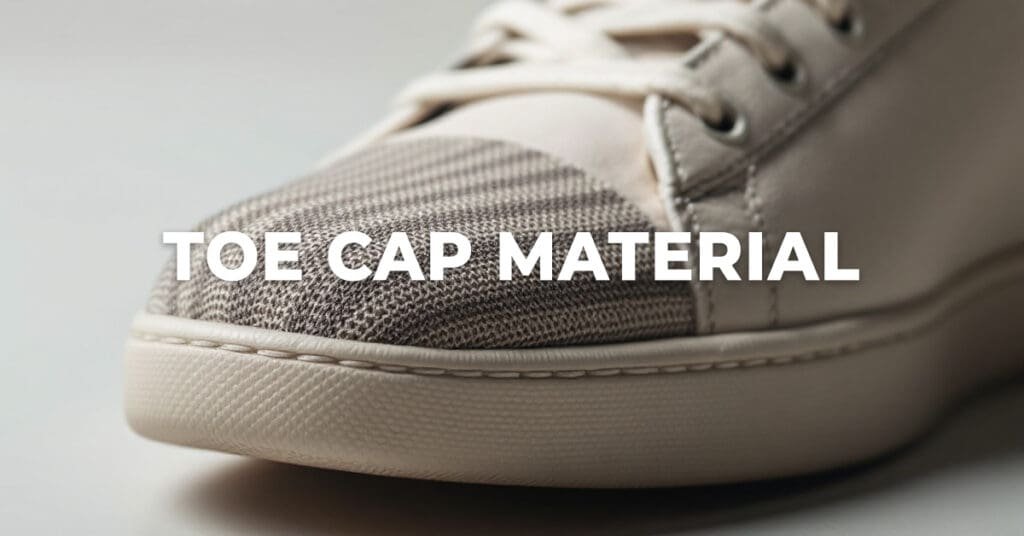
When people think about footwear comfort, they often focus on cushioning or arch support. However, the front of the shoe plays an equally important role in protection and durability. The toe area absorbs impact, resists abrasion, and helps maintain overall structure. It’s also vital to consider the Toe Cap Materia when evaluating which shoes offer the best blend of protection and wearability.
Because of these demands, manufacturers carefully select toe cap materials to balance protection, flexibility, and weight. As a result, the front construction often receives close attention during durability testing and detailed fashion audits.
What Is Toe Cap Material?
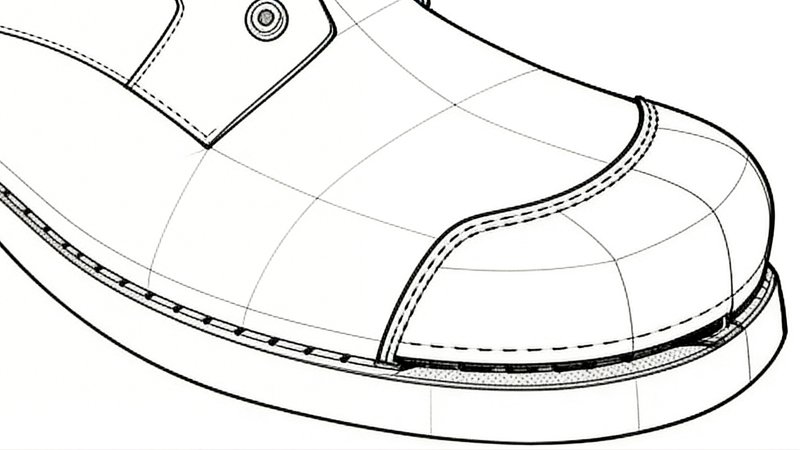
Toe cap material refers to the reinforced component placed at the front of a shoe to protect toes and maintain shape. Unlike soft upper fabric, this structure adds rigidity and impact resistance.
Key characteristics include:
- Located at the front interior or exterior
- Adds shape and reinforcement
- Protects against impact and wear
- Varies in stiffness depending on shoe type
Because it strengthens a high-stress area, it improves both safety and longevity.
Why Toe Cap Material Is Important
The toe area experiences constant bending and external impact. Without reinforcement, the front of a shoe can collapse, deform, or wear out quickly.
Toe reinforcement helps by:
- Protecting toes from impact
- Preventing upper material from creasing excessively
- Maintaining shoe shape
- Extending overall lifespan
As a result, proper toe structure improves both performance and appearance.
Common Types of Toe Cap Materials
Different footwear categories use different protective materials.
Thermoplastic (TPU or TPR)
Lightweight and commonly used in athletic footwear.
Steel Toe Caps
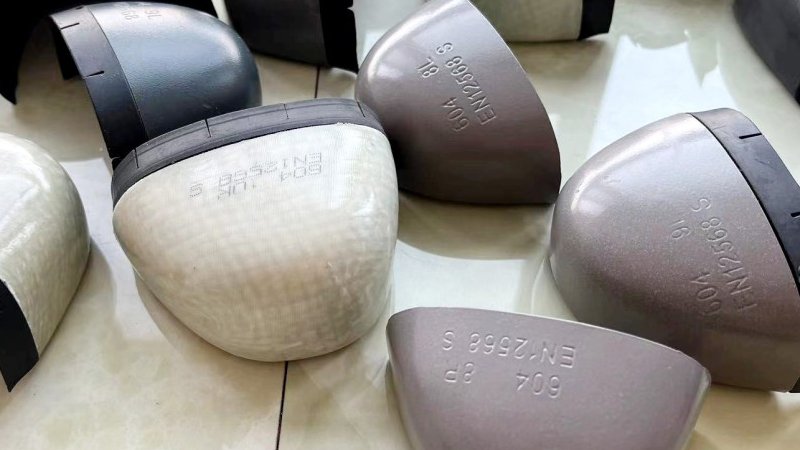
Used in industrial and safety footwear for maximum protection.
Composite Toe Caps
Made from carbon fiber or fiberglass; lighter than steel.
Fiberboard or Synthetic Sheets
Common in casual and dress shoes for shape retention.
Toe Cap Material vs Decorative Toe Design
| Feature | Structural Toe Cap | Decorative Toe Cap |
|---|---|---|
| Purpose | Protection & support | Style enhancement |
| Location | Inside or reinforced layer | Exterior surface |
| Rigidity | Stiff or semi-rigid | Flexible |
| Impact resistance | High | Low |
Therefore, not all visible toe caps provide structural protection.
Toe Cap Materials by Shoe Type
Material choice depends heavily on shoe purpose:
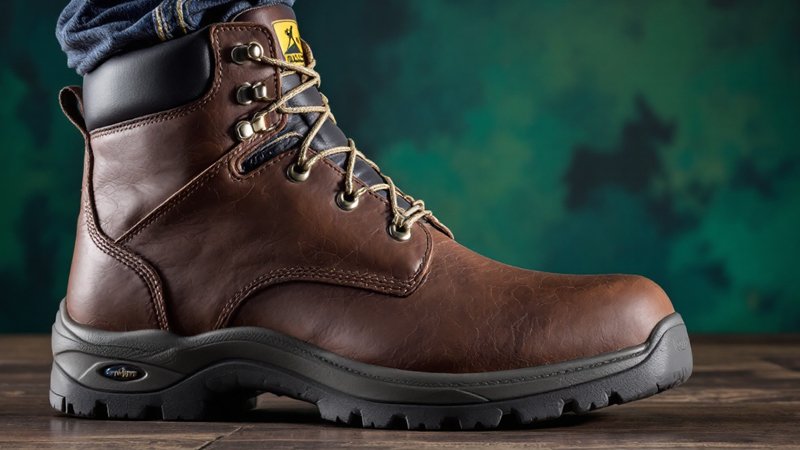
- Safety boots: Steel or composite caps
- Running shoes: Lightweight thermoplastic reinforcement
- Casual sneakers: Flexible synthetic sheets
- Work shoes: Reinforced molded toe structures
- Children’s shoes: Soft protective inserts
As a result, functionality guides material selection.
Comfort and Fit Considerations
A well-designed toe cap enhances comfort by:
- Preventing toe compression
- Maintaining toe box shape
- Reducing material collapse
- Supporting natural foot movement
However, overly stiff materials may feel restrictive in casual footwear.
Durability and Long-Term Performance
High-quality toe cap materials resist repeated flexing and impact. Instead of losing shape quickly, reinforced toes maintain structure even after extended wear.
With proper construction:
- The front area remains firm
- Upper materials avoid tearing
- Shape stays consistent
As a result, durability improves significantly.
Toe Cap Material and Foot Safety
In certain industries, toe reinforcement is essential for protection. Safety footwear often complies with standards such as those set by organizations like OSHA (Occupational Safety and Health Administration) (https://www.osha.gov/). These standards require protective toe structures in hazardous environments.
Because of this, industrial toe caps undergo strict impact and compression testing.
Sustainability Considerations
Manufacturers now explore lighter and recycled options for toe reinforcement. Because of this, some modern designs balance protection with reduced material use.
During a fashion audit, durability often improves sustainability ratings, since longer-lasting shoes reduce waste.
When Strong Toe Cap Material Is Essential
Choose footwear with reinforced toe structure if you want:
- Added impact protection
- Long-lasting shape retention
- Better resistance to wear
- Workplace safety compliance
As a result, toe reinforcement becomes critical in work and outdoor footwear.
Common Misconceptions
However, many people:
- Assume all visible toe caps are protective
- Believe steel is the only strong option
- Think reinforced toes always feel heavy
- Overlook internal structure quality
Material choice and design matter more than appearance alone.
FAQs
Q1: Is toe cap material visible from outside?
Sometimes yes, but often it remains hidden inside the upper.
Q2: Are steel toe caps heavy?
They add weight, but composite options are lighter.
Q3: Do all sneakers have toe caps?
Most have some level of reinforcement for shape.
Q4: Can toe caps break down over time?
Low-quality materials may soften or deform.
Q5: Are toe caps necessary for everyday shoes?
For casual wear, lighter reinforcement is usually sufficient.
Conclusion: Front-End Protection That Makes a Difference
In conclusion, toe cap material plays a vital role in footwear protection, durability, and structural integrity. Whether designed for safety boots or everyday sneakers, reinforced toe construction improves both performance and lifespan.
Ultimately, when evaluating shoe quality during a detailed fashion audit, examining the toe structure provides valuable insight into overall durability and design strength.