
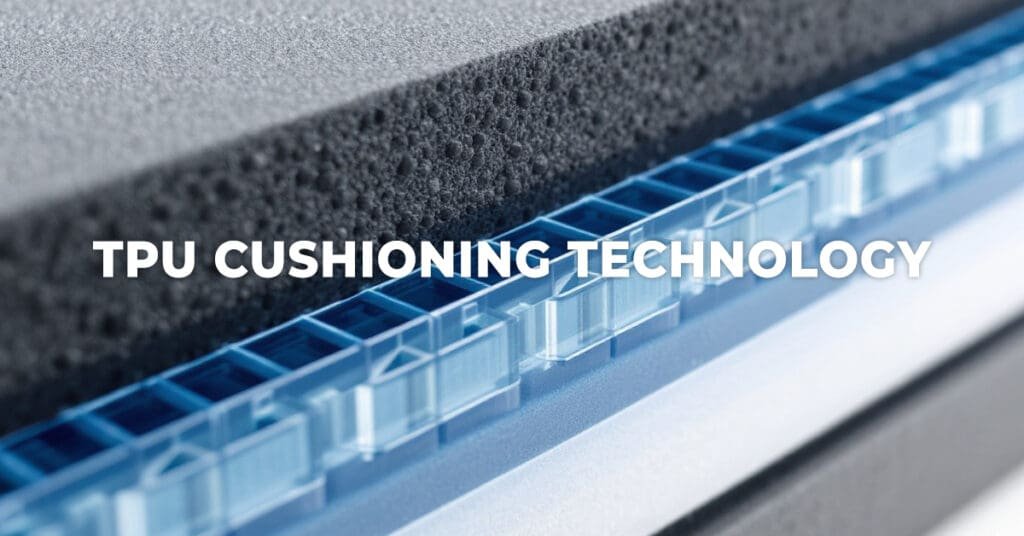
Introduction: Why TPU Cushioning Changed Modern Footwear
Modern footwear demands more than basic comfort. However, traditional foam materials often lose bounce over time. TPU-based cushioning systems solved this problem by introducing higher energy return, improved durability, and consistent performance.
As a result, many performance and lifestyle shoes now use expanded thermoplastic polyurethane foam. This technology gained attention during product evaluations and comfort-focused fashion audits, especially where responsiveness matters.
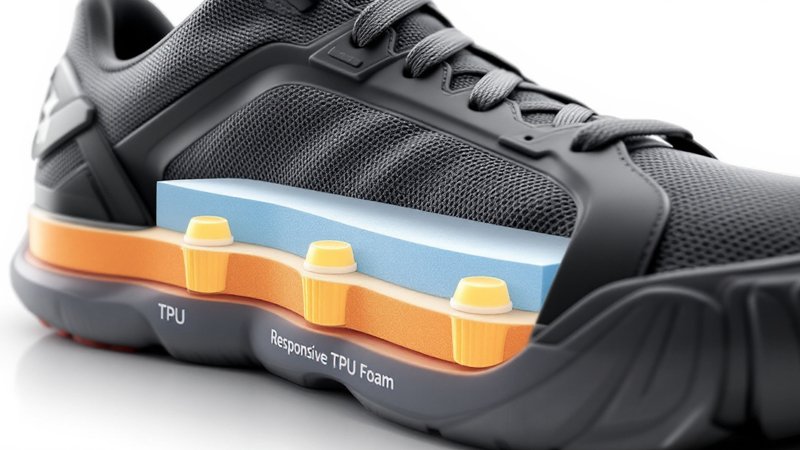
What Is TPU Cushioning?
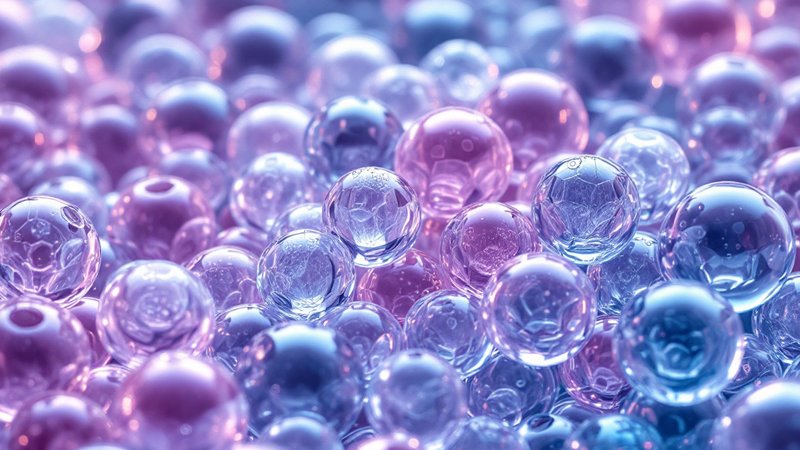
TPU (thermoplastic polyurethane) cushioning uses expanded foam beads fused together to create a resilient midsole structure. Unlike EVA foam, TPU foam compresses and rebounds more efficiently.
This type of cushioning is commonly found in:
- Running shoes
- Walking sneakers
- Training footwear
- Lifestyle athletic shoes
- Long-distance comfort footwear
Because TPU foam resists compression fatigue, it maintains bounce longer.
How Boost-Style TPU Foam Is Manufactured
Manufacturers create expanded TPU cushioning through:
- Heating TPU pellets
- Expanding them into foam beads
- Molding beads under pressure
- Fusing them into a midsole shape
- Finishing surfaces for durability
As a result, the final midsole delivers consistent responsiveness.
Key Benefits of TPU Foam Cushioning
High Energy Return
TPU foam rebounds quickly. Therefore, each step feels more responsive.
Long-Lasting Performance
The material resists flattening over time.
Temperature Stability
TPU performs well in hot and cold conditions.
Durable Structure
It withstands repeated impact better than softer foams.
TPU Cushioning vs EVA Foam Cushioning
| Feature | TPU Cushioning | EVA Foam |
|---|---|---|
| Energy return | High | Moderate |
| Durability | Excellent | Moderate |
| Compression resistance | High | Lower |
| Temperature stability | Strong | Moderate |
| Weight | Slightly heavier | Lightweight |
As a result, TPU foam suits performance-focused footwear better.
Where TPU Cushioning Is Commonly Used
Shoes with TPU-based cushioning are often chosen for:
- Running and jogging
- Long walking sessions
- Gym and training activities
- Daily active wear
- Travel with extended standing
Therefore, it performs best in high-movement environments.
Long-Term Performance and Wear
TPU foam ages slowly. Instead of collapsing, it retains structure and bounce.
With regular use:
- Cushioning remains responsive
- Shape stays consistent
- Energy return stays noticeable
As a result, shoes with this technology often last longer.
Comfort and Feel Underfoot
TPU cushioning feels:
- Springy rather than soft
- Responsive instead of plush
- Supportive during movement
However, some users may find it firmer than memory foam or EVA.
Sustainability Perspective
TPU is synthetic and not biodegradable. However, its long lifespan reduces frequent shoe replacement.
Because of this, footwear using TPU foam may perform well during a durability-focused fashion audit, especially when longevity outweighs material origin.
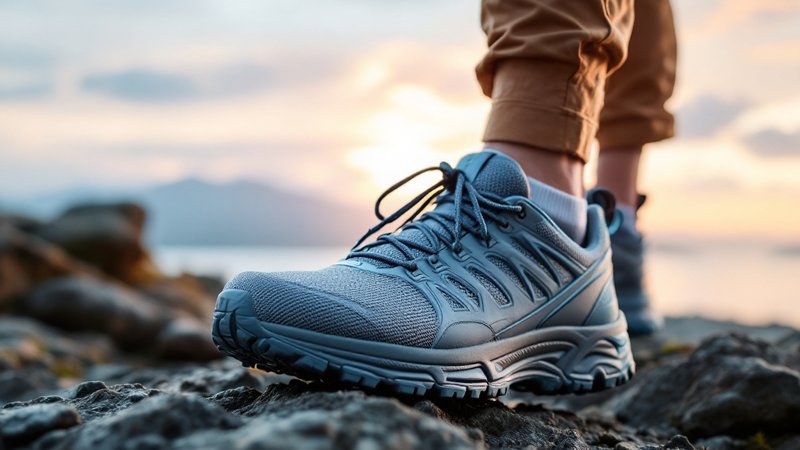
When TPU-based Cushioning Is the Right Choice
Choose footwear with this cushioning if you want:
- Strong energy return
- Long-lasting performance
- Consistent comfort over time
- Responsive feel during movement
As a result, it suits runners and active users well.
Common Misconceptions
However, many people:
- Expect ultra-soft cushioning
- Confuse TPU with EVA
- Assume all TPU foams feel identical
- Ignore outsole and upper design
Understanding these points improves buying decisions.
FAQs
Q1: Is TPU cushioning durable?
Yes, it resists compression and wear very well.
Q2: Does TPU cushioning feel soft?
It feels responsive rather than plush.
Q3: Is TPU foam good for running?
Yes, it performs well for running and walking.
Q4: Does TPU lose bounce over time?
It retains energy return longer than EVA.
Q5: Is TPU cushioning heavy?
It is slightly heavier but more durable.
Conclusion: Responsive Cushioning Built to Last
In conclusion, TPU technology delivers energy return, durability, and consistent performance for active footwear. While firmer than soft foams, it excels in responsiveness and long-term comfort.
Ultimately, whether you’re evaluating performance shoes or reviewing material choices during a thoughtful fashion audit, TPU-based cushioning remains a reliable and advanced option.