
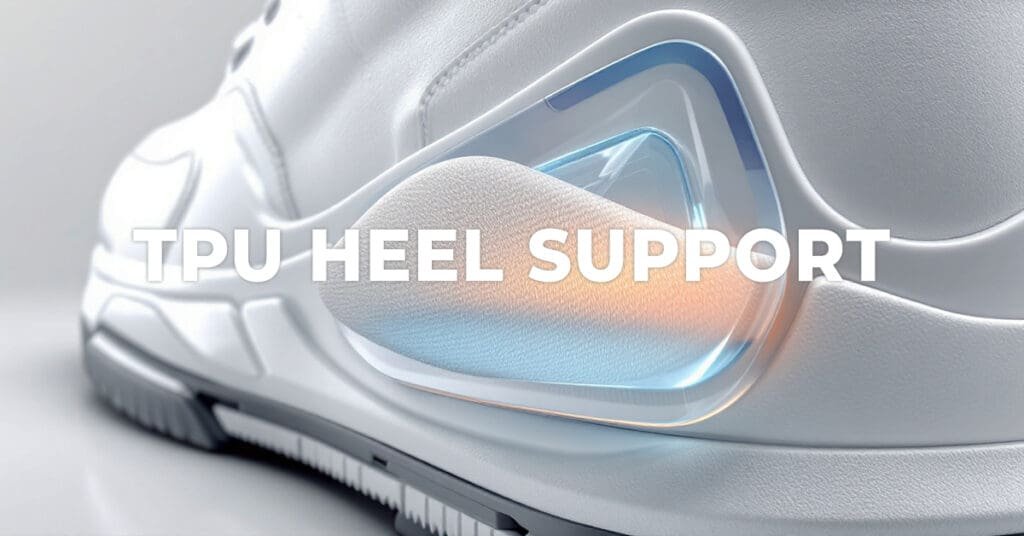
Introduction: Why Heel Stability Matters
A well-designed shoe does more than cushion your steps. However, true comfort and performance depend heavily on heel stability. The rearfoot absorbs impact, controls motion, and maintains alignment during walking or running.
That’s where TPU heel support becomes essential. By reinforcing the heel area with thermoplastic polyurethane, footwear designers improve structure without adding unnecessary weight. As a result, this feature often receives close attention in durability checks and detailed fashion audits.
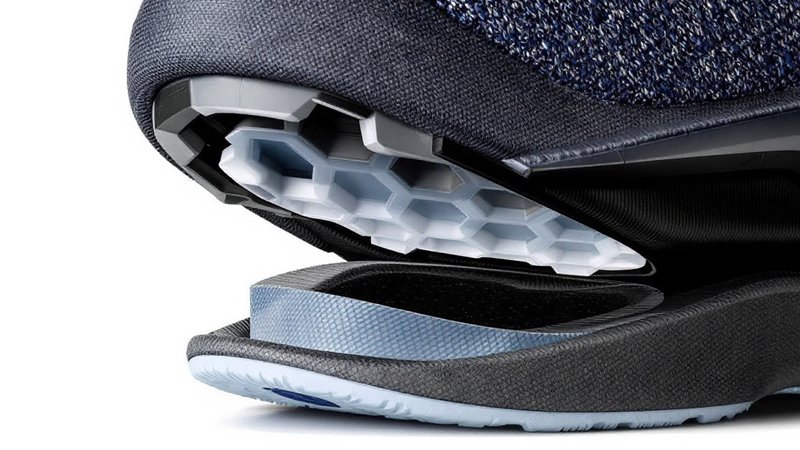
What Is TPU Heel Support?
TPU heel support refers to a structured reinforcement made from thermoplastic polyurethane positioned around or inside the heel area of a shoe. Unlike soft foam padding, TPU provides controlled firmness and shape retention.
Key characteristics include:
- Semi-rigid thermoplastic construction
- Lightweight yet strong design
- Positioned externally or internally
- Often molded for precision fit
Because TPU combines flexibility and strength, it works well in performance footwear.
Why TPU Is Used for Heel Reinforcement
Thermoplastic polyurethane offers several advantages over traditional materials.
Lightweight Strength
TPU provides structural support without making shoes heavy.
Durability
It resists cracking, deformation, and fatigue over time.
Flexibility
Unlike hard plastics, TPU flexes slightly with movement.
Moisture Resistance
It does not absorb water easily, maintaining performance in various conditions.
As a result, TPU heel support delivers stability without sacrificing comfort.
Common Applications in Footwear
Shoes using thermoplastic heel reinforcement often include:
- Running shoes
- Basketball sneakers
- Hiking footwear
- Training shoes
- Lifestyle athletic designs
These categories demand both motion control and durability.
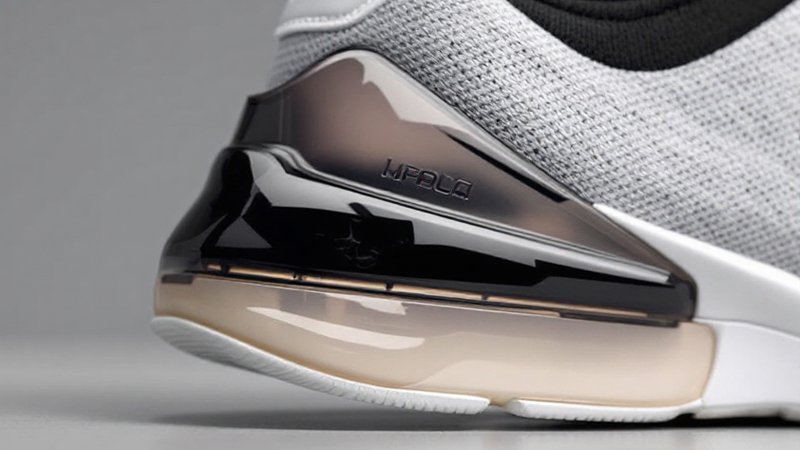
TPU Heel Support vs Traditional Heel Counters
| Feature | TPU Heel Support | Fiberboard Heel Counter |
|---|---|---|
| Durability | High | Moderate |
| Flexibility | Controlled | Limited |
| Weight | Lightweight | Heavier |
| Moisture Resistance | Excellent | Lower |
| Precision Fit | Molded | Layered construction |
Therefore, TPU often outperforms traditional reinforcement in athletic footwear.
Comfort and Fit Benefits
Proper heel reinforcement improves overall fit by:
- Reducing heel slippage
- Supporting rearfoot alignment
- Enhancing balance during movement
- Maintaining consistent shape
However, comfort still depends on overall shoe design, including cushioning and fit.
Impact on Athletic Performance
In performance footwear, stability influences efficiency. A stable heel helps guide motion and reduce energy loss.
TPU heel reinforcement supports:
- Improved stride control
- Reduced inward or outward rolling
- Better weight distribution
- Enhanced responsiveness
As a result, athletes benefit from better control and reduced fatigue.
Durability and Long-Term Performance
High-quality TPU maintains shape even after repeated impact. Instead of collapsing over time, it retains structural integrity.
With regular use:
- Heel structure remains firm
- Upper materials avoid deformation
- Rearfoot stability stays consistent
This durability extends the lifespan of the shoe.
Sustainability Considerations
Some manufacturers now explore recycled or bio-based TPU alternatives. Because of this, thermoplastic heel reinforcement can align with sustainability goals when responsibly sourced.
During a fashion audit, durability improvements often contribute to stronger sustainability ratings.
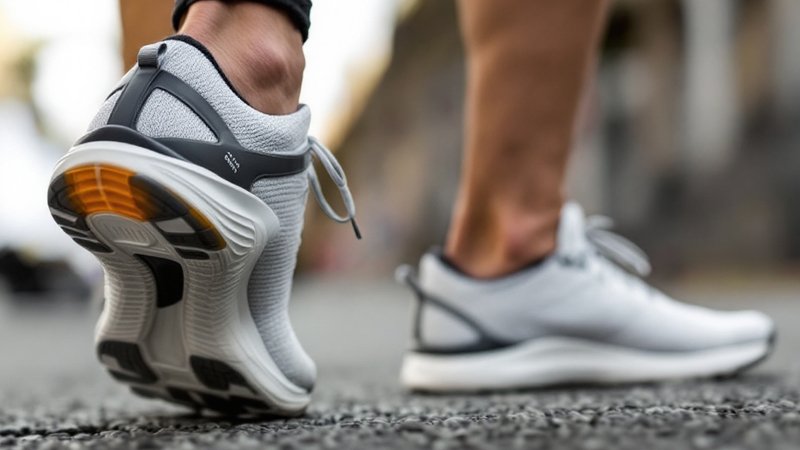
When TPU Heel Support Is Most Important
Choose footwear with reinforced heel structure if you want:
- Enhanced stability during activity
- Reduced heel movement
- Long-lasting shape retention
- Better athletic performance
As a result, TPU reinforcement works especially well in sports and training shoes.
Common Misconceptions
However, some people:
- Think TPU is overly stiff
- Assume it adds significant weight
- Confuse heel clips with cushioning
- Overlook internal heel structure
In reality, modern TPU designs balance flexibility and support effectively.
FAQs
Q1: Is TPU heel support comfortable?
Yes, when properly designed, it enhances stability without discomfort.
Q2: Does TPU heel support make shoes heavier?
No, TPU is lightweight compared to many traditional materials.
Q3: Is TPU durable?
Yes, it resists cracking and deformation.
Q4: Can TPU heel reinforcement be recycled?
Some forms of TPU can be recycled, depending on processing methods.
Q5: Is TPU heel support only for athletic shoes?
It is most common in athletic footwear but also appears in lifestyle sneakers.
Conclusion: Stability Engineered for Performance
In conclusion, TPU heel support plays a vital role in modern footwear by delivering lightweight stability and long-term durability. By reinforcing the rearfoot with thermoplastic polyurethane, designers improve structure without sacrificing comfort.
Ultimately, whether you are selecting performance sneakers or reviewing construction quality during a detailed fashion audit, thermoplastic heel reinforcement remains a key indicator of advanced shoe engineering.