
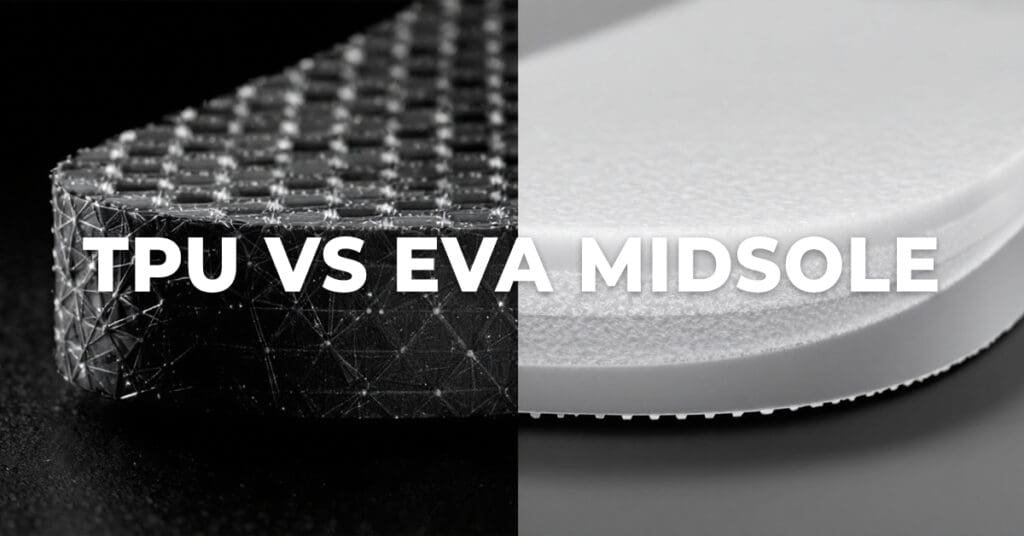
Introduction: Why Midsole Material Matters
When choosing sports shoes or sneakers, most people focus on style and brand. However, the midsole plays the biggest role in comfort and performance. That’s why understanding the TPU vs EVA midsole difference helps you make a smarter buying decision.
The midsole sits between the outsole and the upper. It absorbs shock, provides cushioning, and affects how the shoe feels during movement. During professional wear testing and detailed fashion audits, experts carefully evaluate midsole materials to determine long-term comfort and durability.
Let’s explore how TPU and EVA differ in real-world performance.
What Is an EVA Midsole?
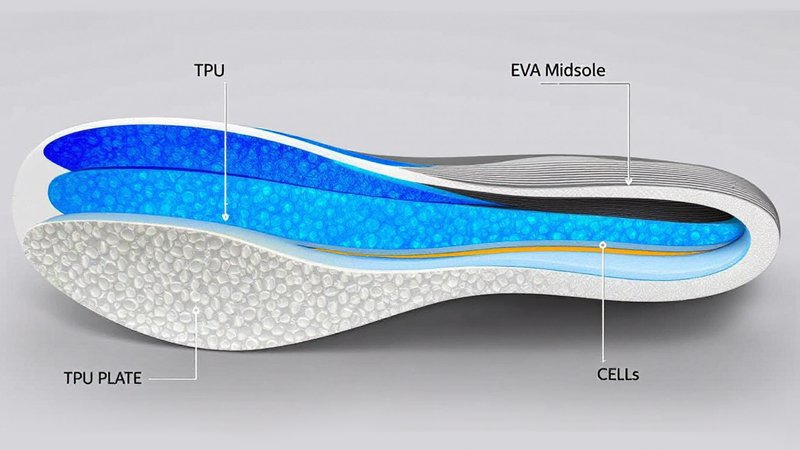
EVA stands for Ethylene Vinyl Acetate. It is a lightweight foam material widely used in running and casual shoes.
Key Features of EVA:
- Lightweight
- Soft cushioning
- Flexible
- Affordable
- Good shock absorption
Because EVA foam compresses easily, it provides a soft underfoot feel. Many daily walking and training shoes use this material.
What Is a TPU Midsole?
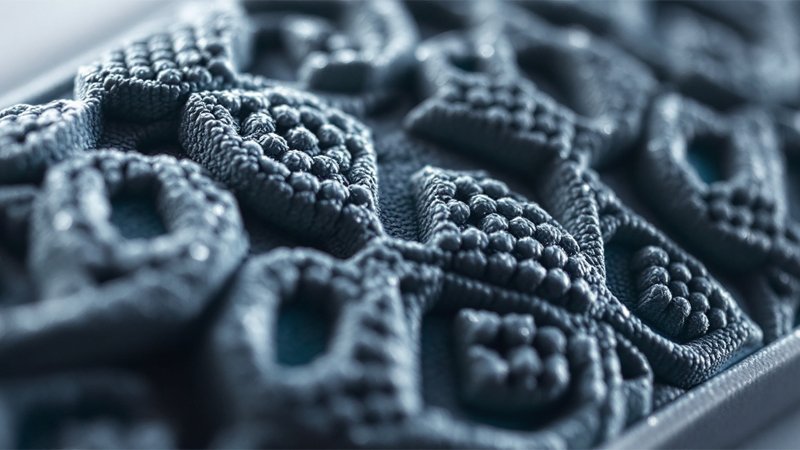
TPU stands for Thermoplastic Polyurethane. It is a durable, elastic material known for high energy return and resilience.
Key Features of TPU:
- Strong and durable
- High energy return
- Resistant to compression
- Slightly heavier than EVA
- Long-lasting cushioning
TPU midsoles often appear in performance running shoes and athletic footwear that require responsiveness.
TPU vs EVA Midsole Difference Explained
Let’s compare both materials across important performance factors.
1️⃣ Weight
EVA midsoles are lighter. This makes them ideal for lightweight running and casual shoes.
TPU midsoles weigh slightly more due to their denser structure.
2️⃣ Cushioning Feel
EVA provides a soft and plush feel.
TPU feels more responsive and springy rather than soft.
3️⃣ Energy Return
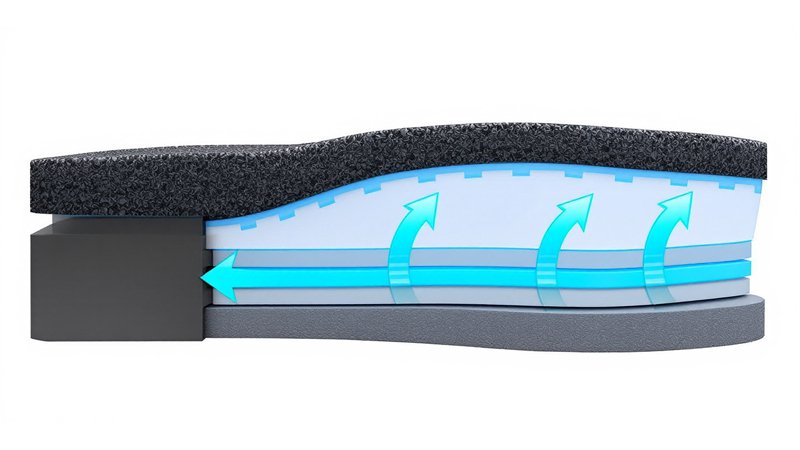
TPU offers higher energy return. It bounces back quickly after compression.
EVA absorbs shock well but loses responsiveness over time.
4️⃣ Durability
TPU lasts longer. It resists compression and maintains shape for extended periods.
EVA may compress permanently after heavy usage.
5️⃣ Temperature Resistance
TPU performs better in extreme temperatures.
EVA can harden in cold weather and soften in high heat.
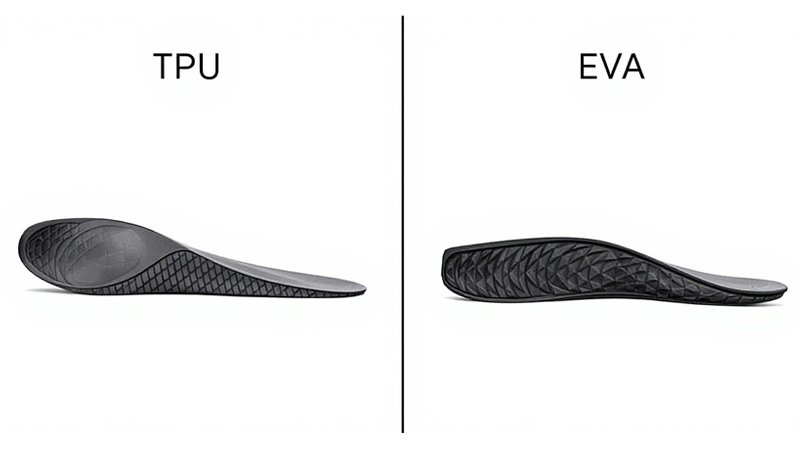
Quick Comparison Table
| Feature | EVA Midsole | TPU Midsole |
|---|---|---|
| Weight | Very lightweight | Moderate |
| Cushioning | Soft | Responsive |
| Energy Return | Moderate | High |
| Durability | Moderate | High |
| Compression Resistance | Lower | Strong |
| Cost | Affordable | Premium |
Which Midsole Is Better for Running?
For casual runners or daily walkers, EVA works well. It provides comfort and reduces shoe weight.
For serious runners or athletes, TPU offers better rebound and durability. It supports high-impact activities and maintains performance longer.
Which Is Better for Everyday Wear?
EVA feels lighter and softer for long hours of walking.
TPU works better if you want longer-lasting cushioning and improved responsiveness.
Your choice depends on activity level and comfort preference.
Environmental Considerations
Both TPU and EVA are synthetic materials. However, some brands now use recycled versions to reduce waste. During sustainability-focused fashion audits, experts examine lifespan and recyclability when evaluating environmental performance.
Durability can play a key role in sustainability. A longer-lasting midsole reduces frequent replacements.
Common Buying Mistakes
Many buyers:
- Choose softness over durability
- Ignore energy return
- Pick lightweight shoes for heavy training
- Forget to match shoe type with activity
Always consider how you plan to use the shoes.
FAQs
1. Which midsole lasts longer?
TPU generally lasts longer than EVA.
2. Is EVA good for running?
Yes, especially for casual or short-distance running.
3. Does TPU feel harder than EVA?
It feels more responsive, not necessarily harder.
4. Which midsole is lighter?
EVA is lighter.
5. Is TPU more expensive?
Yes, TPU midsoles often cost more.
Conclusion: Choosing the Right Midsole
Understanding the TPU vs EVA midsole difference helps you select footwear that matches your activity level and comfort needs. If you prefer lightweight softness, EVA is a strong choice. If you need durability and energy return, TPU performs better.
Ultimately, the best midsole depends on how you move, train, and wear your shoes. Make your choice based on performance needs rather than just brand or design.