
Introduction
Running in nature’s wild paths isn’t just a workout—it’s a lifestyle. Trail running combines endurance, adventure, and the thrill of exploration. However, your experience depends largely on one essential thing: the right trail running shoes. At Fashion Audit, we believe that finding the perfect balance between comfort, grip, and durability can make every stride smoother and safer.
Whether you’re tackling rocky climbs or muddy forest tracks, your shoes should adapt effortlessly to all terrains. In this blog, we’ll guide you through everything you need to know about trail running shoes—from types and features to top recommendations and care tips.
Understanding Trail Running Shoes
(Image hint: Wide shot of a runner on a forest trail wearing trail running shoes)
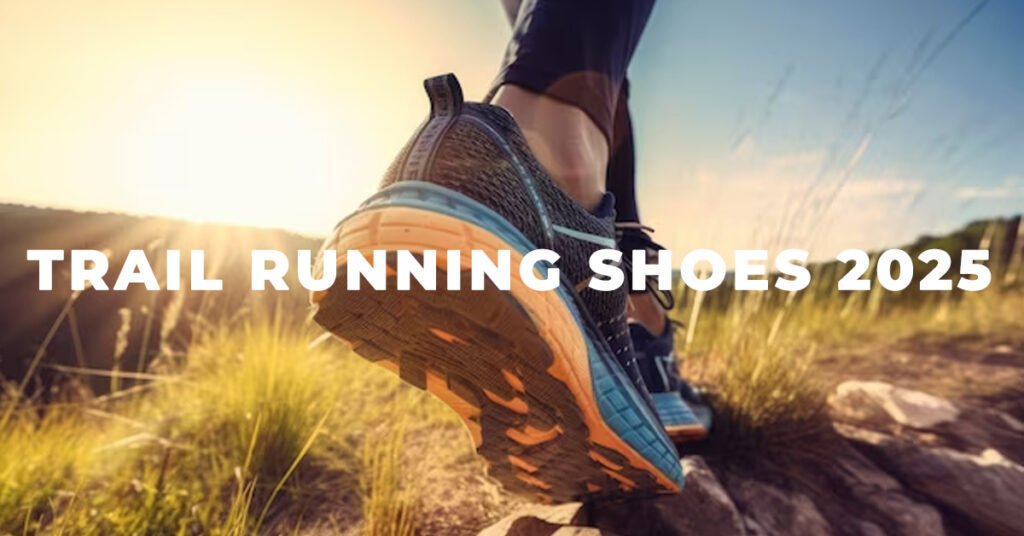
Trail running shoes are designed to handle unpredictable terrain—mud, rocks, roots, and steep slopes. Unlike road-running shoes, they provide better traction, protection, and stability.
What Makes Them Different from Road Running Shoes
- Soles: Trail shoes have deep lugs for superior grip.
- Uppers: Reinforced mesh resists tears from sharp debris.
- Cushioning: Extra padding absorbs shocks on uneven ground.
- Fit: Snug and secure to prevent foot movement inside the shoe.
When to Use Trail Running Shoes
- Hiking light trails
- Mountain running
- Muddy, wet, or rocky terrain
- Long-distance runs off-road
Types of Trail Running Shoes
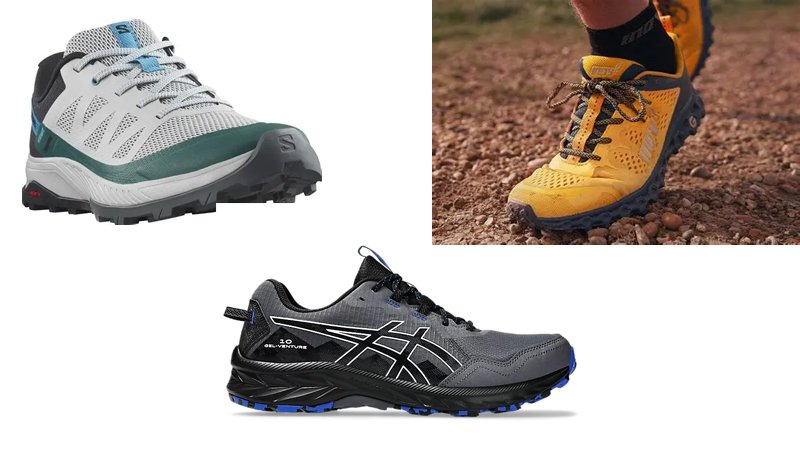
Choosing the right type depends on where you run and how aggressive the terrain is.
| Type | Best For | Key Features |
|---|---|---|
| Light Trail Shoes | Easy dirt paths, grass trails | Lightweight, flexible soles |
| Rugged Trail Shoes | Rocky, uneven, or technical trails | Aggressive grip, toe protection |
| Hybrid Trail Shoes | Mixed terrain, part-road | Balanced cushioning, moderate grip |
At Fashion Audit, we recommend beginners start with hybrid models—they offer versatility without compromising comfort.
Key Features to Look For
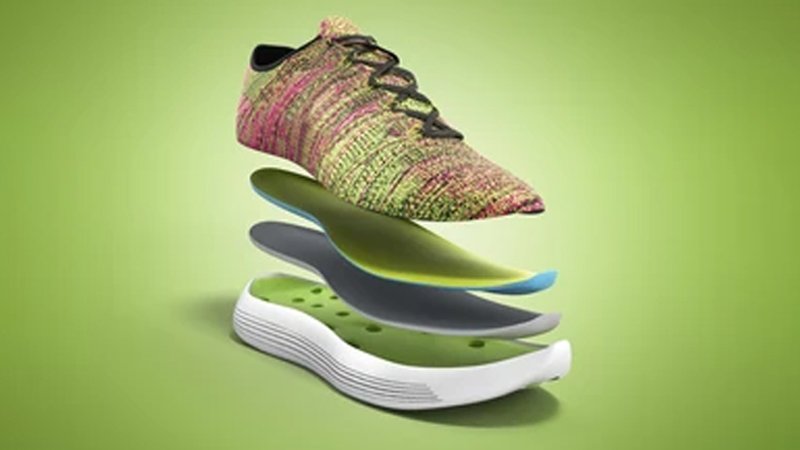
When investing in a pair of trail running shoes, consider these essential factors:
1. Traction
Look for shoes with deep, multi-directional lugs to ensure stability on wet and slippery terrain.
2. Cushioning
The midsole determines comfort—choose max-cushion models for long runs or minimalist designs for speed and ground feel.
3. Durability
Opt for abrasion-resistant materials like ripstop mesh or TPU overlays that can handle rocks and roots.
4. Water Resistance
If you run in rainy regions, shoes with a Gore-Tex or water-repellent upper are a smart choice.
5. Fit & Comfort
Trail shoes should hug your foot securely—too loose, and you risk blisters; too tight, and you’ll lose circulation.
Top Trail Running Shoe Recommendations for 2025

Here are Fashion Audit’s top picks based on comfort, performance, and terrain adaptability:
1. Salomon Speedcross 6
- Iconic grip and lightweight design
- Best for muddy and steep trails
2. HOKA Speedgoat 6
- Superior cushioning with balanced traction
- Ideal for long-distance trail runners
3. Nike Pegasus Trail 5
- Hybrid versatility for road-to-trail runs
- Stylish and breathable
4. Altra Lone Peak 8
- Zero-drop design for natural stride
- Excellent ground feedback
5. Saucony Peregrine 14
- Reliable grip and responsive cushioning
- Great all-rounder for mixed terrain
How to Maintain Trail Running Shoes

Your shoes work hard—keep them in top condition with these easy maintenance tips:
- Clean after every run: Remove dirt with a soft brush.
- Air dry naturally: Avoid dryers or heaters.
- Replace insoles regularly: Keeps the fit and comfort intact.
- Store in a cool, dry place: Prevents mold and odor buildup.
Trail Running Tips for Beginners
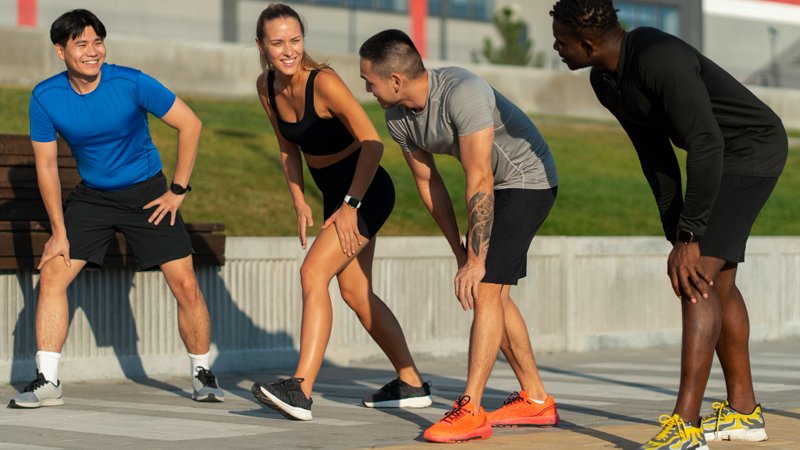
Starting your trail running journey? Keep these tips in mind:
- Start slow: Build stamina on easier trails.
- Watch your footing: Trails change quickly—stay alert.
- Use proper socks: Moisture-wicking socks prevent blisters.
- Hydrate and fuel: Carry water and snacks for longer runs.
- Know your route: Check maps or trail apps beforehand.
Best Trail Running Shoes for Different Conditions
| Condition | Recommended Feature | Top Pick |
|---|---|---|
| Wet & Muddy | Waterproof, deep lugs | Salomon Speedcross 6 |
| Rocky Terrain | Toe cap, stiff sole | Altra Lone Peak 8 |
| Hot Weather | Breathable mesh | Nike Pegasus Trail 5 |
| Cold Climate | Insulated upper | HOKA Speedgoat 6 |
Expert Tips from Fashion Audit

Our Fashion Audit experts suggest rotating between two pairs of shoes—one for rough terrains and another for smoother runs. This approach helps extend their life and improves overall performance.
Also, replace your trail shoes every 500–800 kilometers, depending on usage and terrain.
Frequently Asked Questions
1. Can I wear trail running shoes on roads?
Yes, but only occasionally. Their rugged outsoles may wear out faster on asphalt.
2. How long do trail running shoes last?
Typically 500–800 km, depending on the surface and your running style.
3. Should I buy waterproof trail running shoes?
If you run in wet conditions or through streams, waterproof shoes are worth it. Otherwise, breathable ones may be more comfortable.
4. What’s the best shoe for beginners?
The Nike Pegasus Trail 5 is great for beginners—it’s versatile and comfortable.
5. How tight should trail running shoes fit?
They should feel snug but not restrictive. Leave a thumb’s width of space at the toes.
6. Can I use trail running shoes for hiking?
Absolutely. Many runners and hikers use them for lightweight hiking due to their traction and comfort.
Conclusion
Trail running is a thrilling way to connect with nature and test your limits. But your success begins at your feet—with the right trail running shoes, you can conquer any terrain with confidence. Whether you’re a beginner or a seasoned athlete, the choices above will help you find your ideal pair.
Stay tuned with Fashion Audit for the latest reviews, style updates, and expert recommendations on fitness and fashion gear!
Disclaimer:
All trademarks, logos, product names, and brand identifiers mentioned on FashionAudit.com are the property of their respective owners. They are used solely for the purpose of product review, comparison, and consumer information. FashionAudit.com does not claim any ownership of these marks.
No copyright or trademark infringement is intended. If any brand or rights holder believes their intellectual property has been misused, they can contact us directly and we will address the issue promptly.