
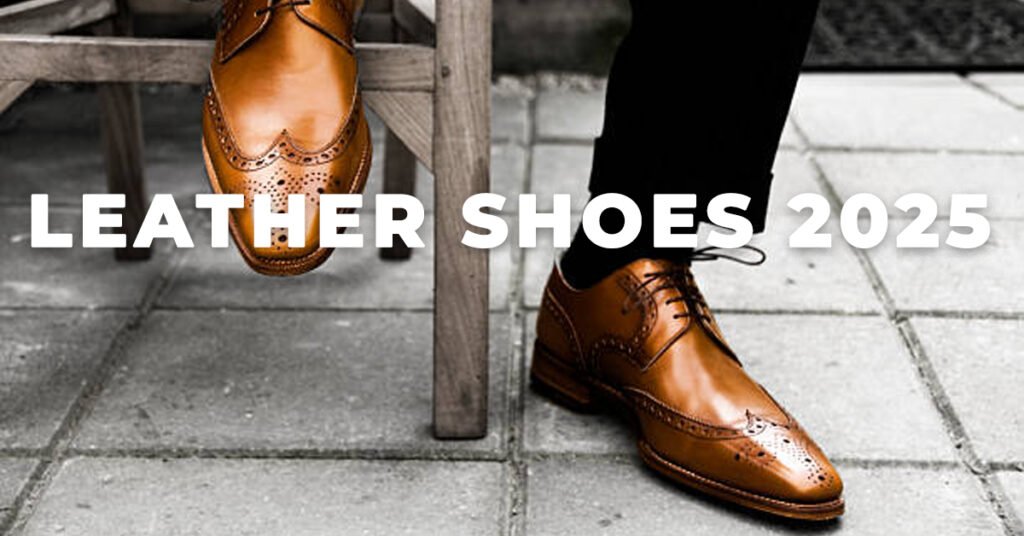
Introduction: Craftsmanship That Starts With Material
Leather shoes have been a wardrobe essential for centuries — known for their durability, elegance, and timeless appeal. But not all leather is the same. The type of leather used determines how your shoes look, feel, and age over time.
In 2025, Fashion Audit notes a growing demand for ethical sourcing and sustainable leather alternatives, as consumers seek both luxury and responsibility. Understanding the types of materials used in leather shoes helps you make smarter, longer-lasting style choices.
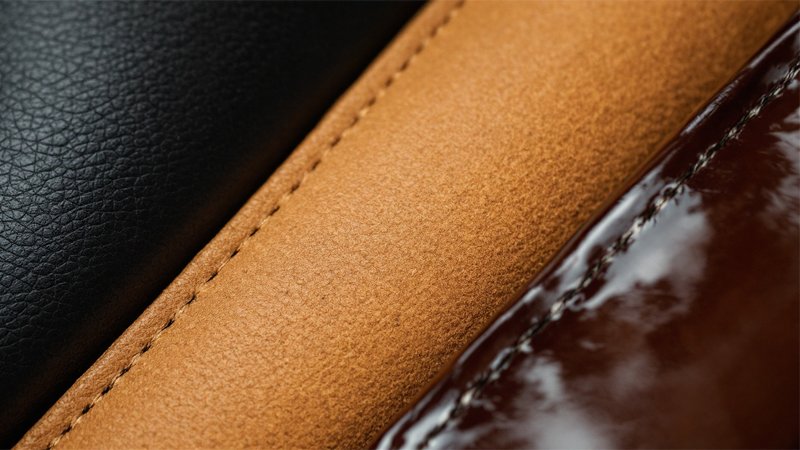
1. What Makes Leather Shoes Special?
Leather shoes are valued for their strength, flexibility, and sophistication. Unlike synthetic materials, real leather molds to your feet over time, offering unmatched comfort.
High-quality leather also breathes naturally, allowing air circulation while maintaining its polished look.
Fashion Audit Insight: Great shoes begin with great leather — and understanding the material means appreciating the craftsmanship behind every step.
2. Main Types of Leather Used in Shoes
Not all leathers are created equal. Each type has its own feel, durability, and finish. Here’s a breakdown of the most common materials used in leather shoes.
2.1 Full-Grain Leather
The highest quality leather available. It uses the entire hide of the animal without sanding or buffing, preserving natural imperfections that add character.
Key Traits:
- Extremely durable and ages beautifully.
- Develops a rich patina over time.
- Water-resistant when treated.
Best Used In: Formal shoes, Oxfords, and luxury footwear.
Fashion Audit Note: Full-grain leather is ideal for those who appreciate longevity and old-world charm.
2.2 Top-Grain Leather
Slightly refined compared to full-grain, top-grain leather is sanded to remove surface imperfections. This gives it a smoother, more uniform finish.
Key Traits:
- Softer and lighter than full-grain.
- Resistant to stains and scratches.
- Often used in premium dress shoes.
Best Used In: Derbys, brogues, and semi-formal shoes.
2.3 Corrected Grain Leather
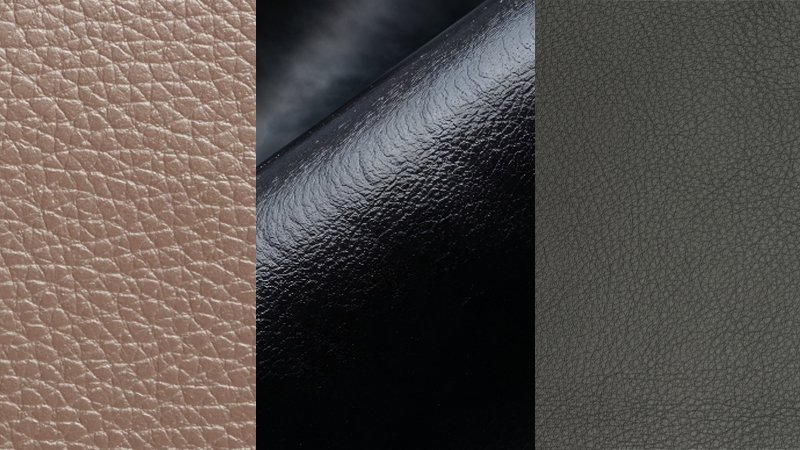
Also known as embossed leather, this type undergoes heavy processing to cover imperfections. It often features artificial grain patterns or coatings.
Key Traits:
- Affordable yet stylish.
- Coated surface offers shine and protection.
- Less breathable than natural leathers.
Best Used In: Fashion-forward or budget-friendly leather shoes.
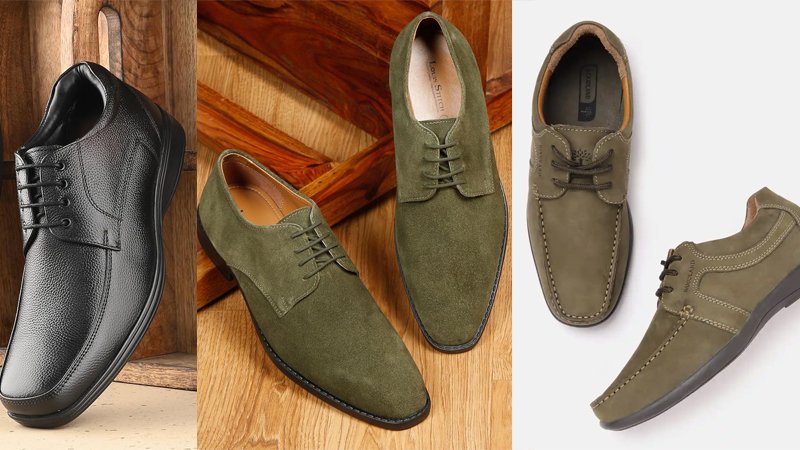
2.4 Suede
Made from the underside of the hide, suede offers a soft, velvety texture. It’s lightweight and flexible but more delicate than full-grain leather.
Key Traits:
- Soft and stylish appearance.
- Requires protection from moisture.
- Versatile — pairs well with casual outfits.
Best Used In: Loafers, moccasins, and dress-casual shoes.
Fashion Audit Tip: Always use a suede protector spray — it preserves the texture and color.
2.5 Nubuck Leather
Nubuck is similar to suede but made from the outer layer of the hide, which makes it stronger and more durable. It’s buffed lightly to achieve a fine, velvety texture.
Key Traits:
- Luxurious matte finish.
- Durable and breathable.
- Ages beautifully with wear.
Best Used In: Casual boots and luxury sneakers.
2.6 Patent Leather
Famous for its glossy shine, patent leather is coated with a high-gloss lacquer or synthetic finish. It’s bold, smooth, and made for statement occasions.
Key Traits:
- Sleek, mirror-like surface.
- Water and stain-resistant.
- Less flexible but visually striking.
Best Used In: Formal shoes, especially tuxedo or wedding footwear.
Fashion Audit Note: Patent leather never goes unnoticed — perfect for those aiming to make an impression.
2.7 Pebbled Leather
Characterized by its grainy, textured surface, this type is both stylish and scratch-resistant. Pebbled leather often features embossed textures for a rugged yet refined appearance.
Key Traits:
- Easy to maintain.
- Great grip and durability.
- Resistant to visible wear.
Best Used In: Business-casual shoes and travel footwear.
2.8 Synthetic & Vegan Leather
With sustainability in focus, synthetic and plant-based leathers have gained immense popularity. They mimic the look and feel of genuine leather without animal products.
Key Traits:
- Eco-friendly and cruelty-free.
- Easy to clean and lightweight.
- Less breathable but improving with innovation.
Best Used In: Modern sneakers, casual leather shoes, and fashion brands embracing green technology.
Fashion Audit Observation: The shift toward ethical materials is shaping the future of footwear design in 2025.
(Suggested Image 3 – Vegan leather shoes displayed with eco-friendly branding and green background elements.)
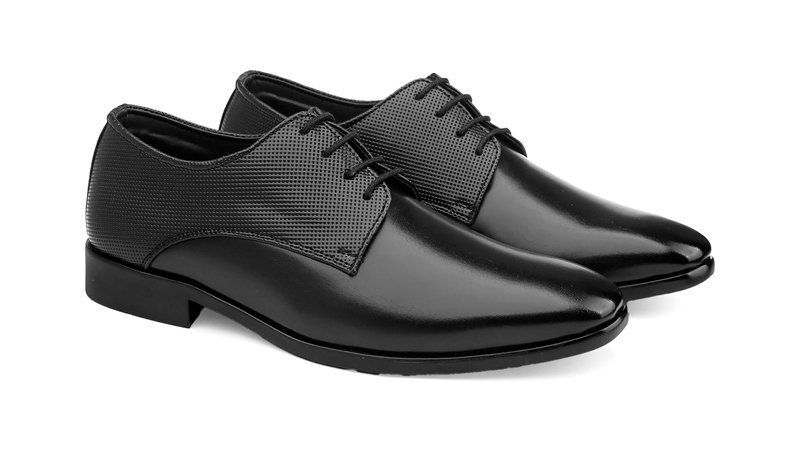
3. Other Materials Used in Leather Shoes
Even the finest leather shoes rely on complementary materials to enhance comfort and longevity.
| Component | Material Used | Purpose |
|---|---|---|
| Soles | Rubber, Leather, or Thermoplastic | Provides grip and flexibility |
| Insoles | Memory Foam or Cork | Ensures comfort and cushioning |
| Lining | Soft Leather or Fabric | Enhances breathability |
| Heel Counter | Reinforced Plastic or Leather | Offers structure and support |
| Thread | Nylon or Waxed Cotton | Ensures durable stitching |
Fashion Audit Insight: True craftsmanship lies in the balance between leather quality and construction precision.
4. How to Identify Quality Leather Shoes
- Smell Test: Real leather has a natural, earthy scent.
- Touch & Feel: It should feel supple, not plasticky.
- Flexibility: Premium leather bends without cracking.
- Pores & Texture: Slight imperfections are a sign of authenticity.
- Label Clarity: Look for “Genuine Leather” or “Full-Grain Leather” tags.
Fashion Audit Tip: If it looks too perfect or uniform, it’s probably synthetic.
5. Leather Finishes and Treatments
Leather finishing adds protection and personality to each pair of shoes.
- Aniline Finish: Preserves natural texture, soft and breathable.
- Semi-Aniline: Adds light protective coating while maintaining feel.
- Pigmented Finish: Durable and resistant to stains or scratches.
- Oil-Tanned Leather: Moisture-resistant and easy to maintain.
6. Caring for Leather Shoes
- Clean Regularly: Use a soft brush or damp cloth.
- Condition: Apply leather cream every few weeks to prevent drying.
- Polish: Keeps shine and color rich.
- Store Properly: Use shoe trees and avoid humidity.
- Protect: Apply waterproof spray for longevity.
Pro Tip: Always let your leather shoes rest — rotating pairs extends their life significantly.
7. Why Leather Shoes Remain Timeless
From handcrafted Oxfords to casual loafers, leather shoes stand as a symbol of refinement and craftsmanship. They blend tradition with modern innovation, aging gracefully with every wear.
As Fashion Audit perfectly states:
“Leather shoes don’t just protect your feet — they define your presence.”
FAQs About Leather Shoe Materials
1. Which leather is the most durable?
Full-grain leather is the most durable and premium type.
2. What’s the difference between suede and nubuck?
Suede is made from the inner layer of hide; nubuck comes from the outer layer, making it tougher.
3. Are vegan leathers as durable as real ones?
Modern vegan leathers are improving fast — they’re stylish, sustainable, and surprisingly long-lasting.
4. How can I keep my leather shoes shiny?
Regular cleaning, polishing, and conditioning maintain a glossy, supple look.
5. Does Fashion Audit recommend any particular type?
Fashion Audit recommends full-grain for longevity and suede for smart-casual elegance.
Conclusion: A Material Legacy
Leather shoes aren’t just made — they’re crafted.
Every cut, stitch, and polish tells a story of tradition meeting innovation. Understanding leather types helps you invest wisely, ensuring style that endures.
As Fashion Audit sums it up:
“Quality leather is more than material — it’s the mark of timeless craftsmanship.”
Disclaimer:
All trademarks, logos, product names, and brand identifiers mentioned on FashionAudit.com are the property of their respective owners. They are used solely for the purpose of product review, comparison, and consumer information. FashionAudit.com does not claim any ownership of these marks.
No copyright or trademark infringement is intended. If any brand or rights holder believes their intellectual property has been misused, they can contact us directly and we will address the issue promptly.