Types of Watch Movements: The Complete 2025 Guide to How Watches Work
8 November 2025
Introduction: The Beating Heart of Every Watch
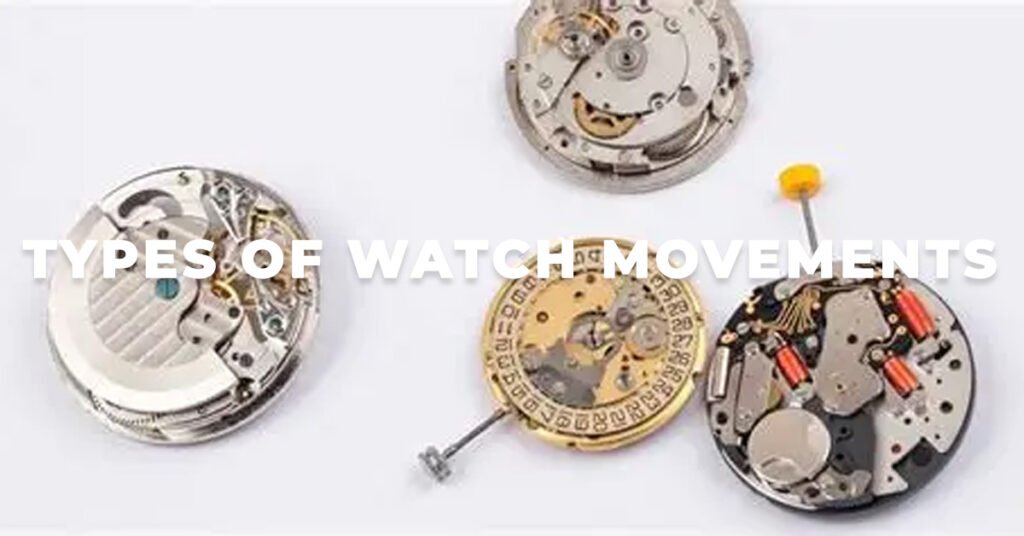
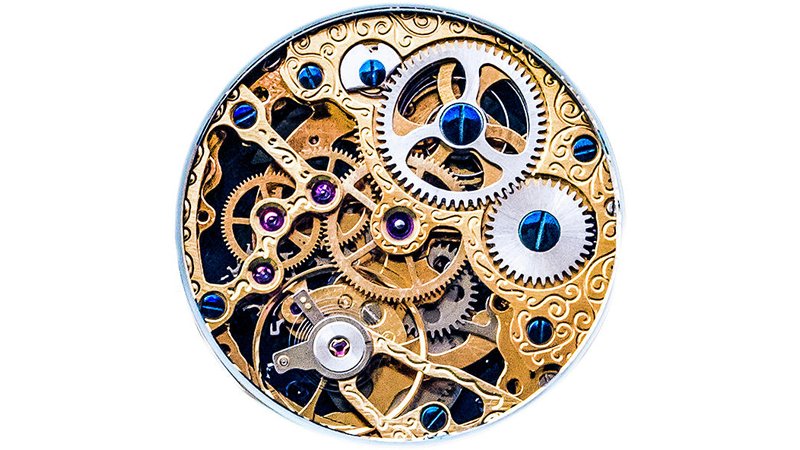
Every watch, whether luxury or casual, runs on a movement — the mechanism that powers its hands and keeps time. Often called the “caliber”, the movement determines accuracy, lifespan, and feel.
From mechanical craftsmanship to smart quartz precision, movements have evolved to combine art, science, and innovation.
In this Fashion Audit guide, we’ll explore all major types of watch movements in 2025, how they work, their strengths, and how to choose the one that fits your personality and purpose.
1. What Is a Watch Movement?
A watch movement is the internal mechanism that drives the hands, powers complications (like chronographs or calendars), and ensures accurate timekeeping.
Main Functions of a Movement:
Timekeeping: Moves the hour, minute, and second hands.
Energy Storage: Stores power via battery or mainspring.
Energy Transmission: Transfers stored energy to moving parts.
Display Control: Manages complications like date, moonphase, or chronograph.
Fashion Audit Insight:
The movement is the soul of your watch — it defines precision, value, and heritage.
2. Major Categories of Watch Movements
There are three main categories of movements, each with unique mechanics:
Mechanical (Manual-Wind)
Automatic (Self-Winding)
Quartz (Battery-Powered)
Let’s dive deeper into each type — plus new-generation hybrids emerging in 2025.
3. Mechanical Movement (Manual-Wind)
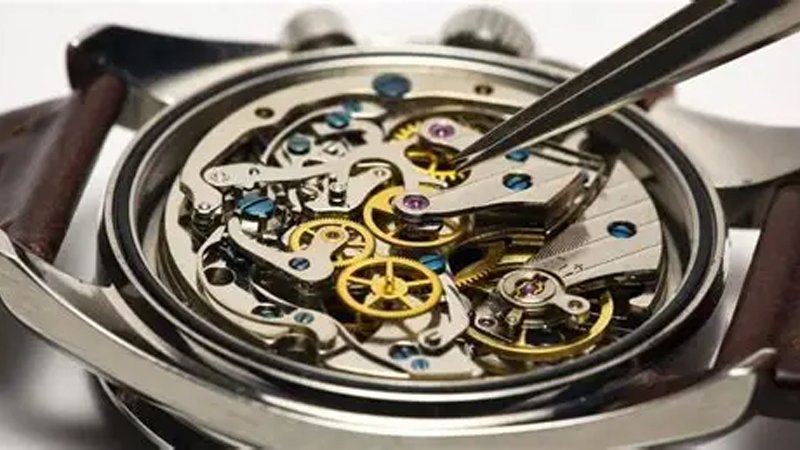
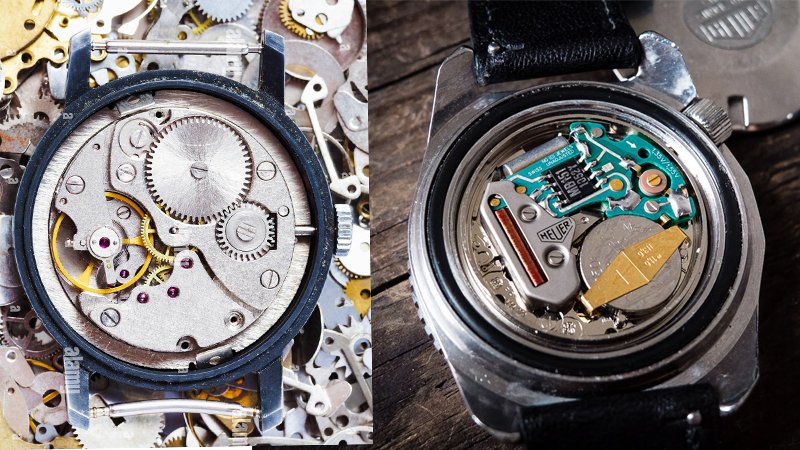
Mechanical watches are powered purely by gears, springs, and human touch — no battery involved. They rely on a mainspring that you wind by hand to store energy.
How It Works:
You turn the crown to wind the mainspring.
The spring slowly releases energy through gears.
The escapement regulates energy release for precise timekeeping.
Pros:
Pure craftsmanship and heritage appeal.
Smooth, sweeping second hand.
No battery replacement needed.
Cons:
Requires manual winding every 1–2 days.
Less accurate than quartz.
Sensitive to shock and magnetism.
Fashion Audit Note:
Mechanical watches are for those who appreciate tradition, precision, and soul in motion.
4. Automatic Movement (Self-Winding)
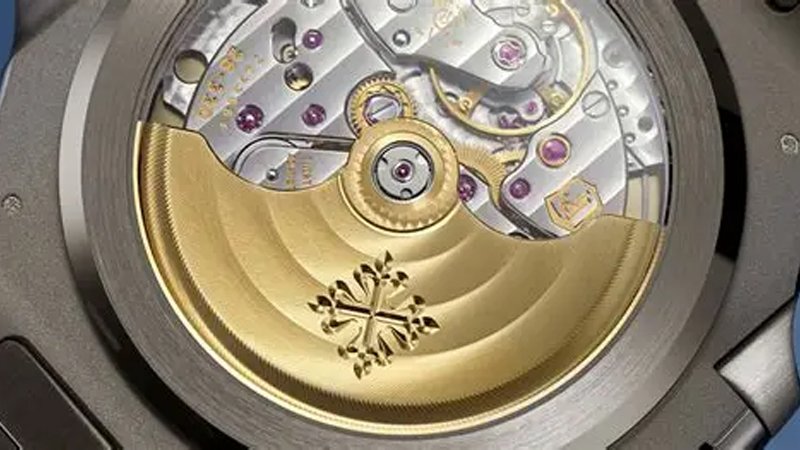
Automatic watches are mechanical watches that wind themselves through your wrist’s motion. They use a rotor, a metal weight that spins with movement, tightening the mainspring.
How It Works:
As you wear the watch, the rotor moves.
The rotor winds the mainspring automatically.
Stored energy powers the watch for 36–80 hours (power reserve).
Pros:
No battery or daily winding needed.
Lifelong functionality with servicing.
Retains craftsmanship of mechanical watches.
Cons:
Must be worn regularly or stored in a winder.
Slightly thicker than quartz watches.
More expensive to maintain.
Fashion Audit Tip:
Automatics are the perfect blend of engineering and convenience — a living machine on your wrist.
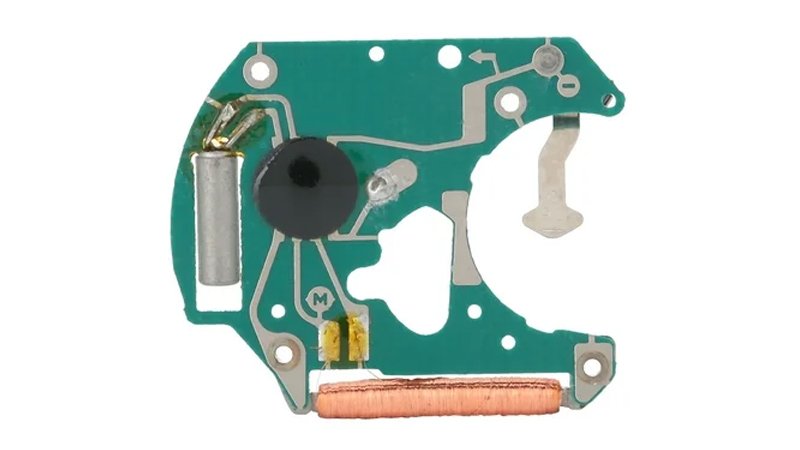
5. Quartz Movement (Battery-Powered)
Quartz watches revolutionized the industry in the 1970s with precision and affordability. They run on a small battery that powers a quartz crystal oscillator, vibrating 32,768 times per second for unmatched accuracy.
How It Works:
The battery sends electricity to the quartz crystal.
The crystal oscillates consistently.
The vibrations are converted into electronic pulses to move the motor and hands.
Pros:
Extremely accurate.
Affordable and low maintenance.
Thin and lightweight.
Cons:
Requires battery changes every 1–2 years.
Lacks mechanical craftsmanship and “sweep” movement.
Fashion Audit Note:
Quartz remains the best choice for reliability, precision, and simplicity.
6. Kinetic Movement
A Kinetic movement bridges mechanical and quartz technology. Invented by Seiko, it uses motion energy (like automatic watches) to charge a rechargeable battery instead of winding a spring.
How It Works:
Wrist motion powers a rotor.
The rotor generates electricity, stored in a capacitor.
The capacitor powers the quartz circuit.
Pros:
No manual winding or battery replacement.
High accuracy like quartz.
Eco-friendly energy system.
Cons:
Costlier than regular quartz.
Capacitor may need replacement after several years.
Fashion Audit Insight:
Kinetic movements combine sustainability with precision — perfect for eco-conscious users.
7. Solar Movement (Eco-Drive Technology)
Solar watches use light (natural or artificial) to generate power. Brands like Citizen (Eco-Drive) and Casio lead in this technology.
How It Works:
Solar cells beneath the dial convert light into energy.
Energy is stored in a rechargeable battery.
Watch runs continuously, even in darkness for months.
Pros:
No battery changes ever.
Environmentally friendly.
Low maintenance, high reliability.
Cons:
Needs regular light exposure.
Limited power reserve (6–12 months).
Fashion Audit Tip:
For the eco-friendly professional, solar watches deliver convenience with conscience.
8. Smartwatch & Hybrid Movements (2025 Trend)
Smartwatch movements integrate digital and analog functions — a modern evolution in timekeeping.
Types:
Full Smart Movement: Runs entirely on software (Apple Watch, Samsung Galaxy).
Hybrid Smart Movement: Combines analog hands with digital functions (Fossil Hybrid, Garmin Vivomove).
Pros:
Tracks fitness, notifications, and health data.
Rechargeable with long standby modes.
Modern, multifunctional, and practical.
Cons:
Requires frequent charging.
Shorter lifespan than mechanical or quartz.
Fashion Audit Note:
Hybrid watches are the future of balance — smart features with the soul of analog design.
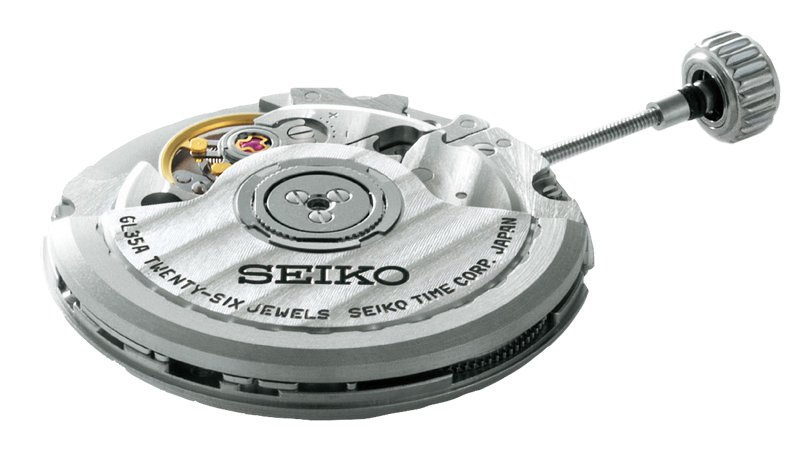
9. Spring Drive Movement (Seiko Innovation)
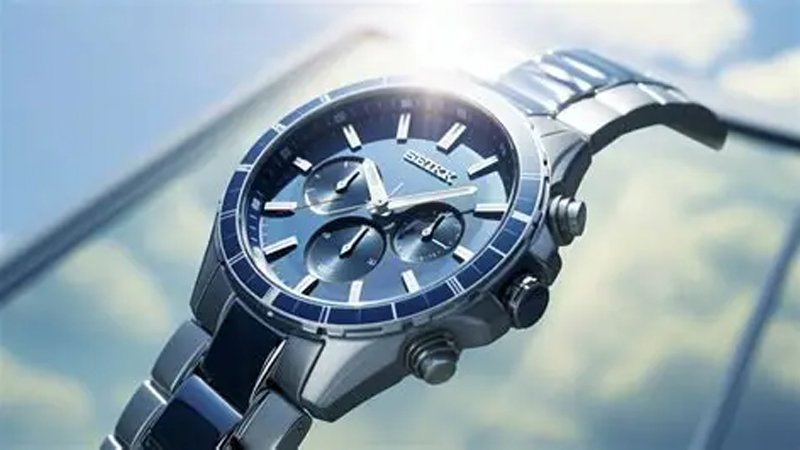
A Spring Drive is a unique Seiko technology that combines mechanical power with electronic precision.
How It Works:
Energy from a mainspring powers the movement.
A Tri-synchro regulator uses a quartz oscillator to control time flow.
The result: smooth glide motion and exceptional accuracy.
Pros:
Ultra-smooth second hand movement.
Mechanical charm with quartz precision.
Long-lasting and beautifully engineered.
Cons:
Expensive and complex to service.
Exclusive to select Seiko models.
Fashion Audit Insight:
The Spring Drive is the pinnacle of modern watchmaking — innovation with artistry.
10. Mechanical vs Quartz vs Smart: Quick Comparison
Feature
Mechanical
Quartz
Smartwatch
Power Source
Mainspring
Battery
Rechargeable battery
Accuracy
Moderate
High
Very High
Maintenance
High
Low
Software updates
Longevity
Decades
5–10 years
2–5 years
Emotion & Craftsmanship
High
Medium
Low
Price Range
₹10,000 – ₹10,00,000+
₹1,000 – ₹50,000
₹5,000 – ₹80,000
Fashion Audit Verdict:
Choose mechanical for passion, quartz for precision, and smart for modern practicality.
11. How to Choose the Right Watch Movement
Consider your lifestyle, budget, and preferences before choosing.
Lifestyle Type
Recommended Movement
Reason
Professional / Formal
Automatic / Mechanical
Prestige, tradition
Active / Sporty
Quartz / Kinetic
Durability, accuracy
Eco-Conscious
Solar / Kinetic
Sustainable and reliable
Tech Enthusiast
Smartwatch / Hybrid
Advanced features
Collector
Mechanical / Spring Drive
Artistry and heritage
Fashion Audit Tip:
Your movement choice reflects your lifestyle — choose passion or practicality, but never compromise precision.
12. Conclusion: The Heart That Defines Time
The movement is the lifeblood of every watch — a hidden marvel of engineering that defines its rhythm and soul.
From the gentle tick of a quartz to the smooth glide of a Spring Drive, each type brings its own charm and philosophy.
Fashion Audit Final Verdict:
“The beauty of a watch lies beneath its face — in the movement that keeps time alive.”
Disclaimer: All trademarks, logos, product names, and brand identifiers mentioned on FashionAudit.com are the property of their respective owners. They are used solely for the purpose of product review, comparison, and consumer information. FashionAudit.com does not claim any ownership of these marks.
No copyright or trademark infringement is intended. If any brand or rights holder believes their intellectual property has been misused, they can contact us directly and we will address the issue promptly.