
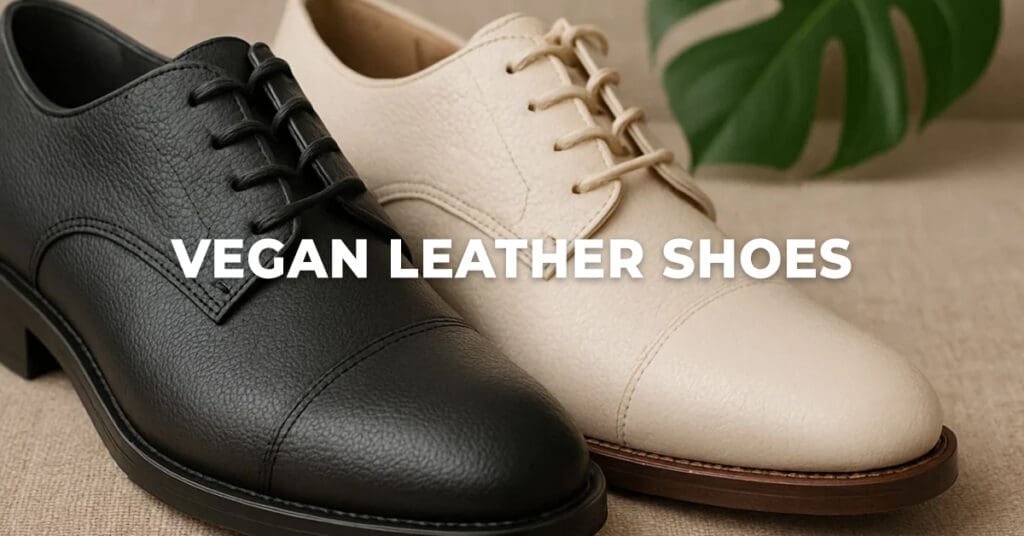
Introduction: Why Vegan Leather Shoes Are Gaining Popularity
Footwear choices today go beyond looks and comfort. However, many consumers now care equally about ethics and sustainability. Vegan leather shoes have emerged as a popular alternative for people who want stylish footwear without using animal-derived materials.
Moreover, advancements in material technology have significantly improved quality and appearance. As a result, understanding vegan leather helps you make informed decisions—especially when evaluating conscious fashion options during a thoughtful fashion audit.
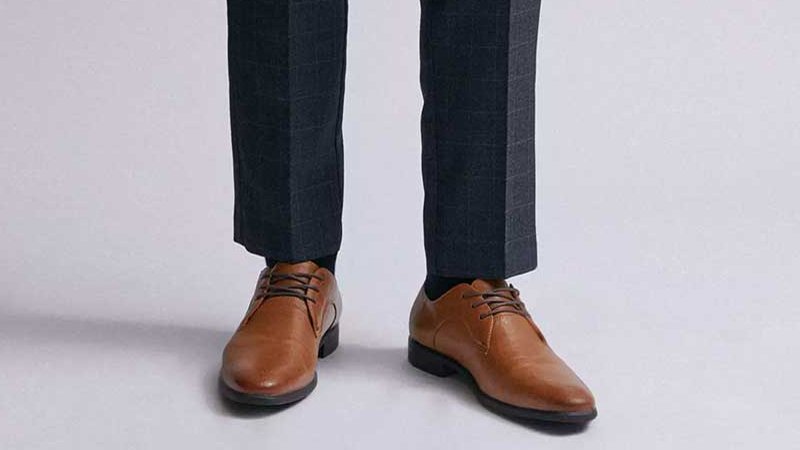
What Are Vegan Leather Shoes?
Vegan leather shoes are made from non-animal materials designed to replicate the look and feel of traditional leather. Unlike genuine leather, these materials are synthetic or plant-based.
Common sources include:
- PU (polyurethane)
- PVC (polyvinyl chloride)
- Plant-based materials like cactus, apple peel, or pineapple fiber
Because no animal hide is used, these shoes align with cruelty-free values.
How Vegan Leather Is Made
The production process varies depending on material type:
- Synthetic leather is created using polymers
- Plant-based leather uses natural fibers combined with binders
- Surfaces are embossed to mimic leather grain
As a result, vegan leather can achieve a wide range of textures and finishes.
Key Characteristics of Vegan Leather Shoes
Animal-Free & Ethical
No animal products are involved. Therefore, these shoes suit vegan and cruelty-conscious lifestyles.
Consistent Appearance
The surface remains uniform without natural imperfections.
Lightweight Feel
Most vegan leather materials are lighter than traditional leather.
Lower Maintenance
They are generally easier to clean and do not require conditioning.
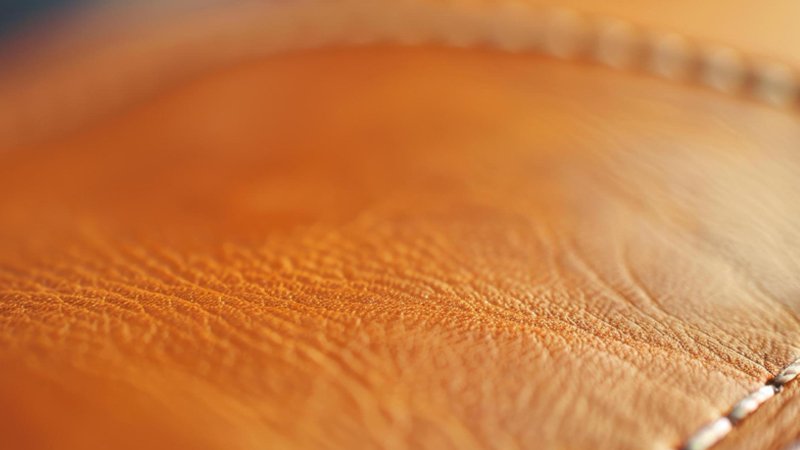
Vegan Leather vs Genuine Leather
| Feature | Vegan Leather | Genuine Leather |
|---|---|---|
| Animal use | None | Animal hide |
| Appearance | Uniform | Natural variation |
| Breathability | Moderate | High |
| Aging | Minimal patina | Develops patina |
| Maintenance | Easy | Moderate |
| Ethical appeal | High | Depends on sourcing |
As a result, the choice depends on values, lifestyle, and usage.
Types of Vegan Leather Used in Shoes
PU Leather
Flexible, lightweight, and widely used in everyday footwear.
PVC Leather
More water-resistant but less breathable.
Plant-Based Vegan Leather
Made from renewable sources and gaining popularity for sustainability.
Therefore, material choice affects comfort, durability, and environmental impact.
How Vegan Leather Shoes Perform Over Time
Vegan leather does not age like animal leather. Instead of developing patina, it maintains a consistent look.
Over time:
- Surface may crease
- Material can peel if low quality
- Shape remains stable
As a result, quality varies significantly between brands.
How to Care for Vegan Leather Shoes
Maintenance is simple. For example:
- Wipe with a damp cloth
- Avoid harsh chemicals
- Keep away from excessive heat
- Store in a dry place
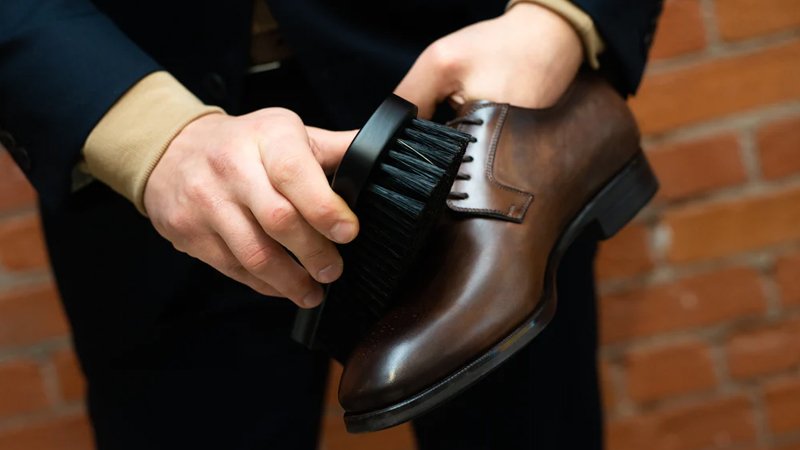
Are Vegan Leather Shoes Durable?
Durability depends on material quality. High-grade PU and plant-based options perform well for daily use, while cheaper materials may wear faster.
Best suited for:
- Casual wear
- Office footwear
- Short to moderate daily use
However, they are not ideal for rugged conditions.
Sustainability Considerations
While vegan leather avoids animal use, sustainability depends on production methods. Plant-based materials offer lower environmental impact, whereas some synthetics rely on plastics.
Because of this, vegan leather footwear is often assessed carefully during a responsible fashion audit, balancing ethics with longevity and material sourcing.
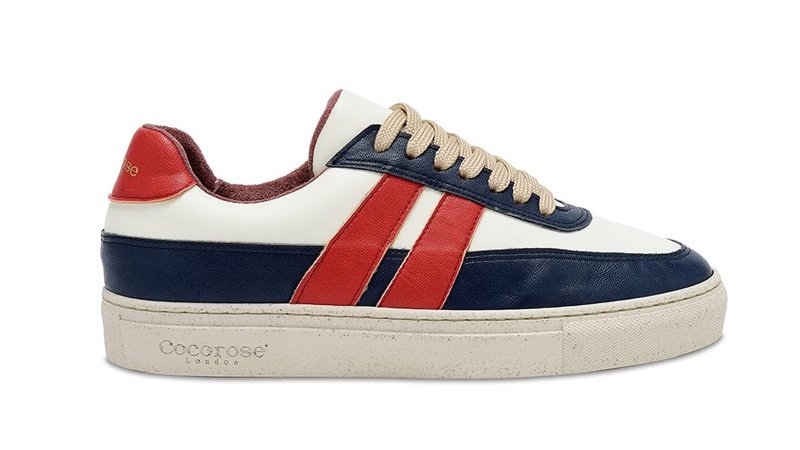
When Vegan Leather Shoes Are the Right Choice
Choose this option if you value:
- Cruelty-free fashion
- Modern aesthetics
- Easy maintenance
- Lightweight comfort
As a result, vegan leather fits well into contemporary, ethical wardrobes.
Common Mistakes to Avoid
However, many buyers:
- Assume all vegan leather is eco-friendly
- Ignore breathability
- Choose low-quality materials
- Expect leather-like aging
Avoiding these mistakes improves satisfaction.
FAQs
Q1: Are vegan leather shoes waterproof?
They are usually water-resistant, not fully waterproof.
Q2: Do vegan shoes last long?
High-quality versions can last several years.
Q3: Are they breathable?
Breathability is moderate compared to natural leather.
Q4: Are vegan leather shoes sustainable?
Plant-based options are more sustainable than plastic-based ones.
Q5: Are they good for daily wear?
Yes, for casual and office use.
Conclusion: Ethical Style With Modern Appeal
In conclusion, vegan leather shoes offer a stylish, ethical alternative to traditional footwear. While they differ from animal leather in aging and breathability, improvements in materials have made them more comfortable and durable than ever.
Ultimately, whether you’re making ethical upgrades or reviewing materials during a thoughtful fashion audit, vegan leather shoes provide a modern balance of conscience, comfort, and style.
Disclaimer:
All trademarks, logos, product names, and brand identifiers mentioned on FashionAudit.com are the property of their respective owners. They are used solely for the purpose of product review, comparison, and consumer information. FashionAudit.com does not claim any ownership of these marks.
No copyright or trademark infringement is intended. If any brand or rights holder believes their intellectual property has been misused, they can contact us directly and we will address the issue promptly.